 Aula· Spain, city by city
Aragón
Ejea
«Ejea de los Caballeros produce mucho trigo y aceite.»Ejea de los Caballeros produces a lot of wheat and oil.
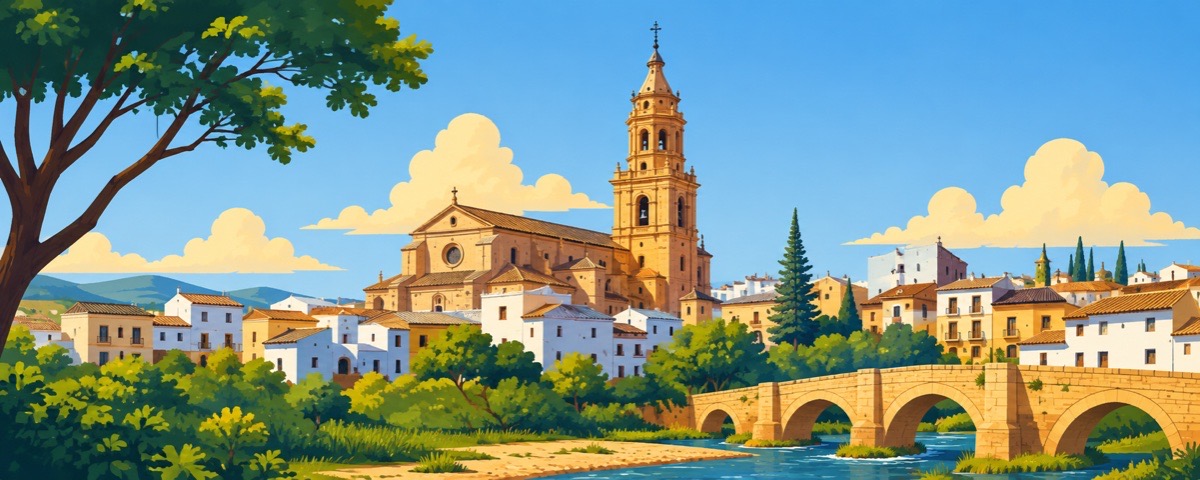
Ejea de los Caballeros is the capital of the Cinco Villas, in the north of the province of Zaragoza, on a plain that was steppe until the 20th century. The Bardenas canal brought irrigation to the area, and the city preserves two Romanesque churches built as fortresses when the border was nearby.
Did you know
Roman aqueducts in the municipality.
In the municipal territory of Ejea lies the important Roman archaeological site of Los Bañales, featuring ancient aqueducts.
How they talk in Ejea
«Cinco Villas» is the name of the comarca and a daily identity reference. The local Castilian preserves rural vocabulary related to irrigation, cereals, and livestock.
charrar
To speak; to chat. Used in Aragonese speech to converse or talk, also in derivatives like «charrada».
Everyday life in Ejea
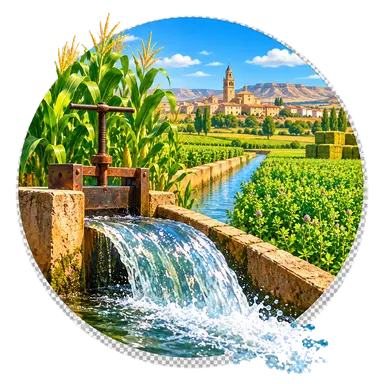
The irrigated «Cinco Villas»
Ejea is the capital of a comarca that lives on irrigated agriculture: canals, maize, alfalfa, and cooperatives. The landscape changes completely compared to the steppe that begins to the south.
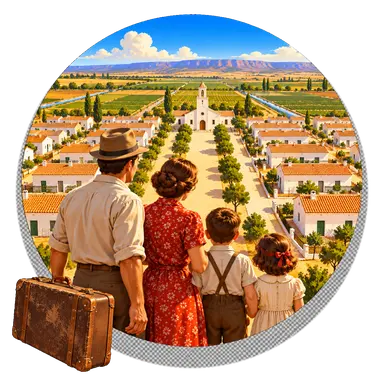
The colonisation towns
Around the city there are villages built from scratch in the fifties for those who worked the new lands, all with the same layout and the same church. Many families from Ejea come from there.
«Estos pueblos son de los años cincuenta.» — These towns are from the fifties.
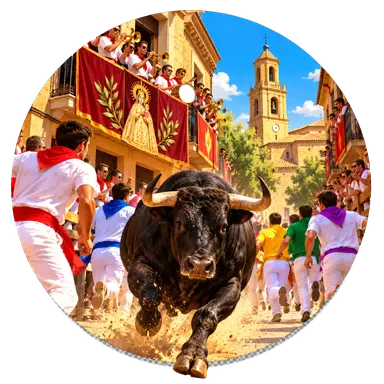
The «Virgen de la Oliva» in September
The patronal festival brings bulls to the streets, the peñas with their uniforms, and the band: you sleep little for a week and you can recognise the groups by the colour of their shirts.
What to eat in Ejea
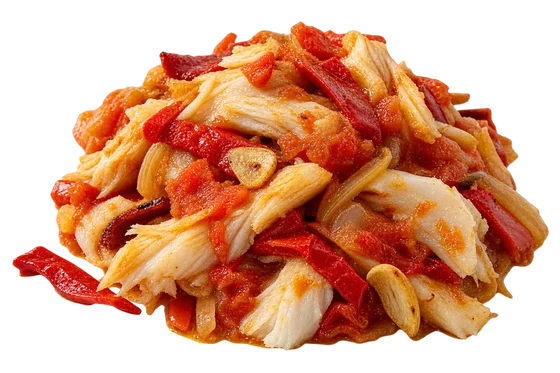
Bacalao al ajoarriero
Shredded cod with tomato, peppers, and garlic, cooked slowly in the pan.
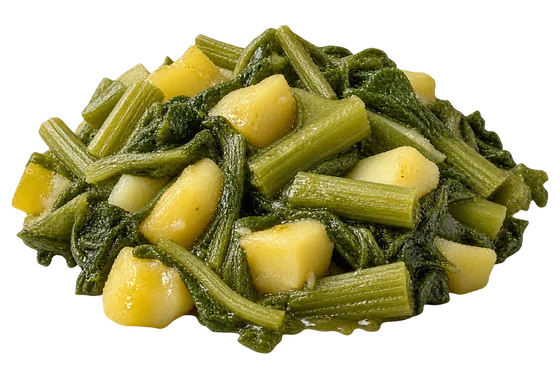
Borrajas con patatas
Boiled borage with potatoes, with oil and garlic: a winter vegetable almost only Aragonese.
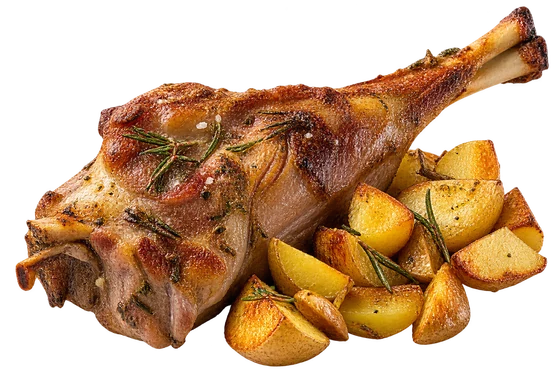
Ternasco de Aragón
Young lamb roasted, with salt and lard.
Festivals in Ejea
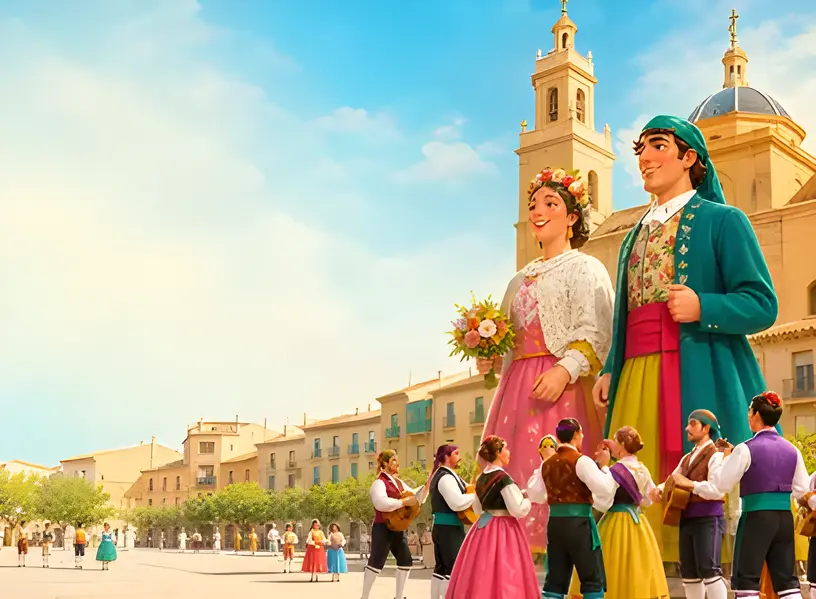
Fiestas de la Virgen de la Oliva
between the end of August and the beginning of September
The peñas with their shirts, the rondallas that sing under the balconies, and the bulls in the streets.
What to see in Ejea
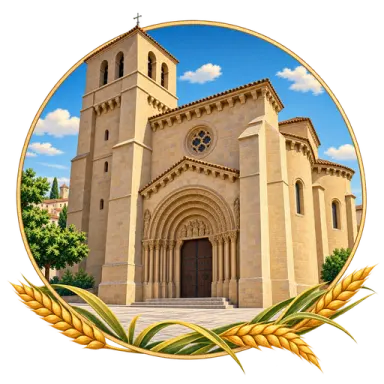
Iglesia de El Salvador
Romanesque church built like a fortress, with walkways on the roof.
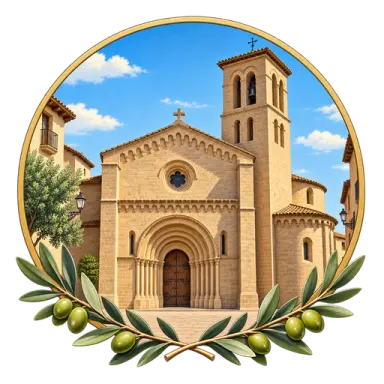
Iglesia de Santa María
The other fortified Romanesque church, on the other hill of the town.
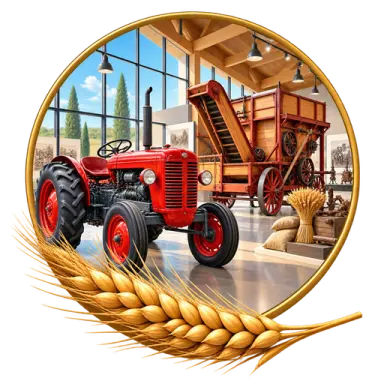
Museo Aquagraria
The museum of agricultural machinery and the water that changed these lands.
Where Ejea comes from
The plain that the water changed
Roman era
Segia
Roman settlement in the plain of the Cinco Villas.
1105
The conquest
Alfonso I the Battler takes it: it becomes one of the five towns that give the name to the comarca.
12th century
The fortress churches
Romanesque churches are built with walls and walkways, because the frontier is near.
20th century
The water
The Bardenas canal brings irrigation: the steppe becomes cultivated countryside.
Want to learn Spanish by travelling across Spain?
In Aula every lesson is a city lighting up on the map — Ejea is one of them. Two hundred lessons from A1 to C2, free, starting from your level.
Start from Ejea →