 Aula· Spain, city by city
Asturias
Cangas de Onís
«Cangas de Onís tiene un famoso puente romano medieval.»Cangas de Onís has a famous medieval Roman bridge.
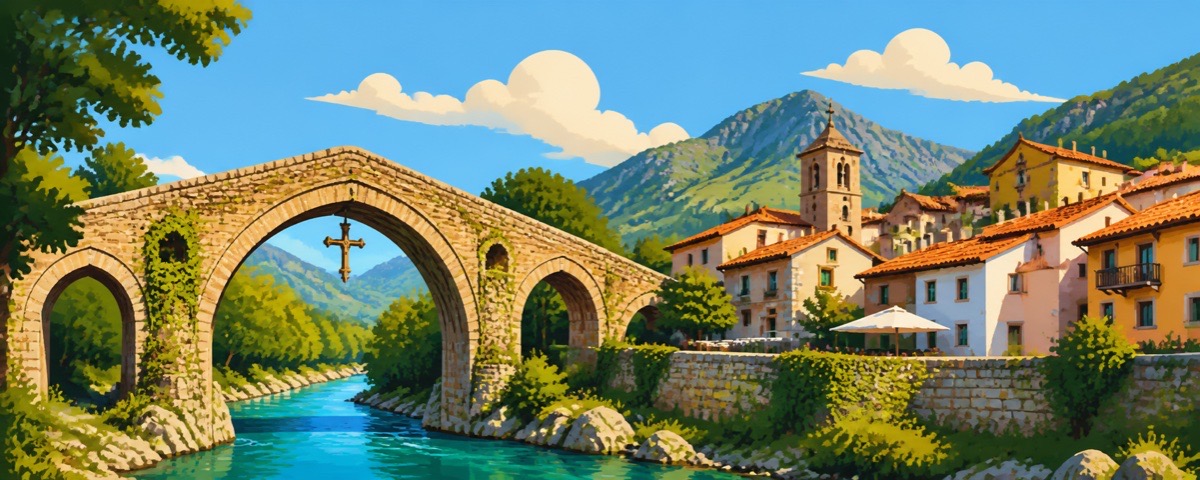
Cangas de Onís is at the entrance to the Picos de Europa, at the point where the Sella river comes out of the mountains. It was the first capital of the Kingdom of Asturias, born after the Battle of Covadonga in 722, and is today the gateway to the national park and the lakes.
Did you know
The 'Roman bridge' is medieval
The famous 'Roman bridge' of Cangas de Onís is actually medieval and a replica of the Victory Cross hangs from it.
How they talk in Cangas de Onís
«Gamonéu» is the Asturian form of the D.O.P. cheese produced in the nearby mountains. «Picos» in local speech almost always refers to the Picos de Europa.
prestar
To cause pleasure or satisfaction. Daily use in constructions like «présta-me/prestóme» to say that something is liked or has given pleasure.
Everyday life in Cangas de Onís
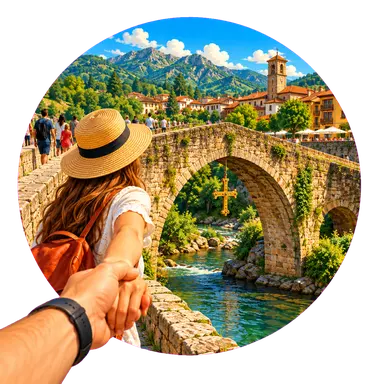
The bridge with the hanging cross
The medieval bridge over the Sella has a copy of the Cruz de la Victoria hanging from the central arch: you cross it on foot every day, and it is the point you pass through to go to the centre.
«La cruz cuelga del arco.» — The cross hangs from the arch.
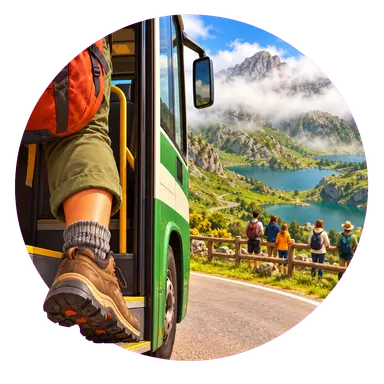
The Covadonga lakes by bus
In summer the road to the lakes is closed to cars and you go up by shuttle: it is the trip that Asturians take, and at the top it is often foggy even in July.
«En verano se sube en autobús.» — In summer you go up by bus.
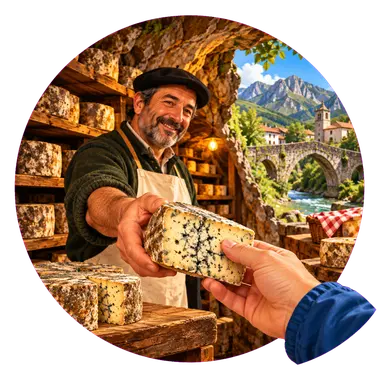
Cheese in the caves
In the surrounding villages, cheeses are aged inside limestone caverns, and Gamonéu is bought directly from the producers: it is sold in small quantities and almost never reaches outside Asturias.
«Un poco de Gamonéu, por favor.» — A little bit of Gamonéu, please.
What to eat in Cangas de Onís
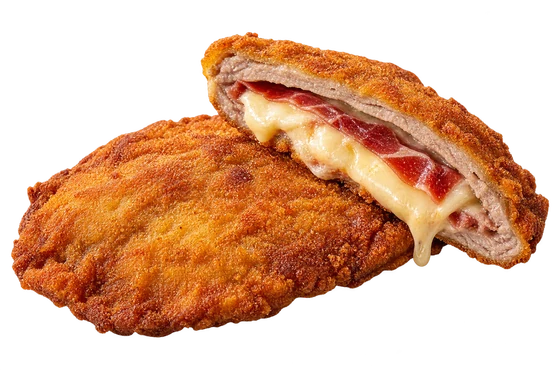
Cachopo
Two slices of veal with ham and cheese inside, breaded and fried.
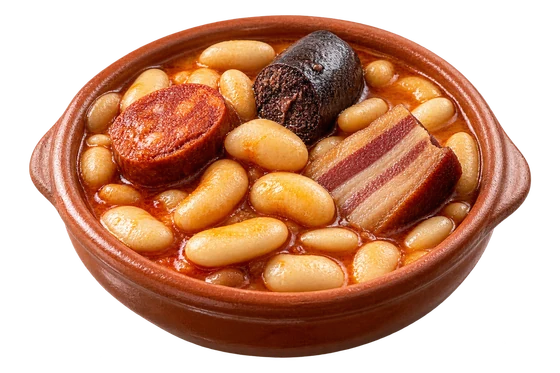
Fabada asturiana
Large white beans with chorizo, morcilla, and lacón, cooked slowly.
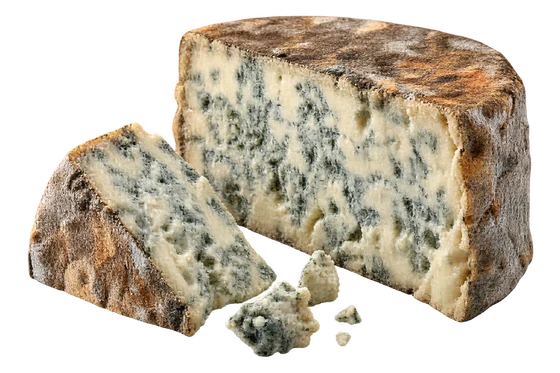
Queso Cabrales
Blue cheese aged in the caves of the Picos, wrapped in maple leaves.
Festivals in Cangas de Onís
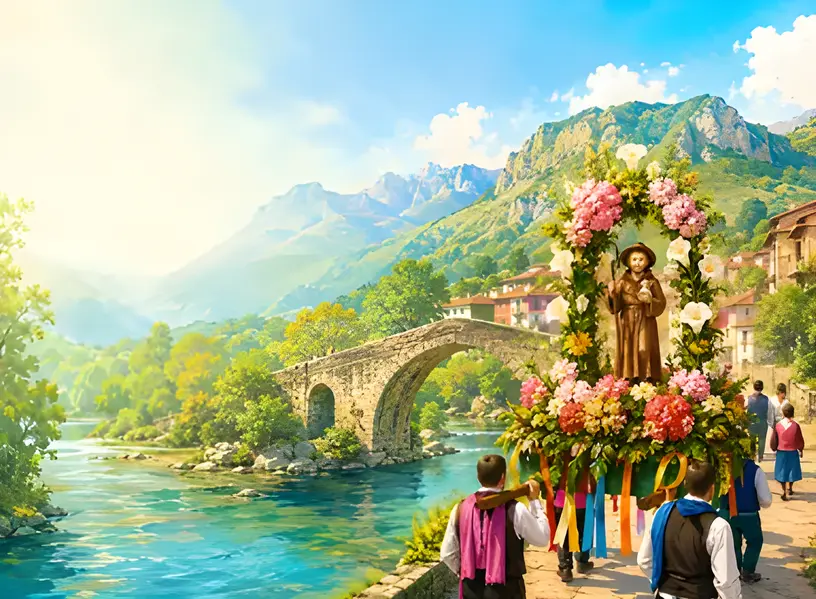
San Antonio de Padua
13 June
The procession reaches the Roman bridge, and the dance is performed in front of the chapel.
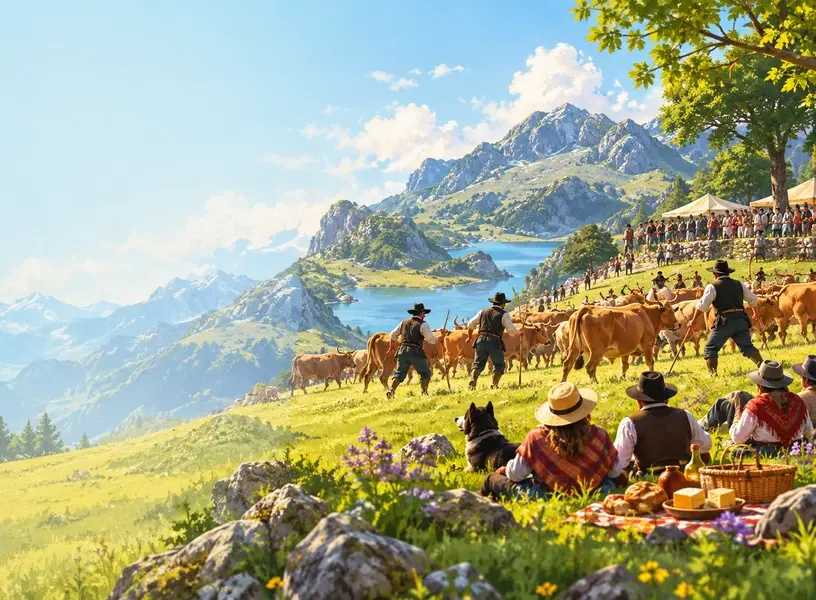
Fiesta del Pastor
25 July
You go up to the Covadonga lakes at over a thousand metres, eat on the grass, and hold shepherd competitions among the cows.
What to see in Cangas de Onís
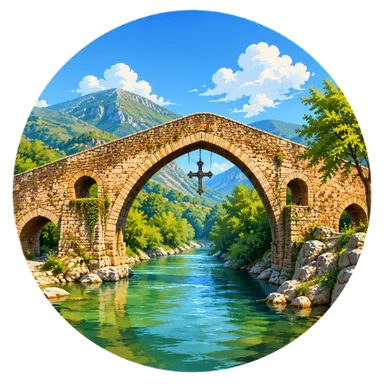
Puente romano
They call it Roman but it is from the 14th century, and the Victory Cross hangs from the arch.
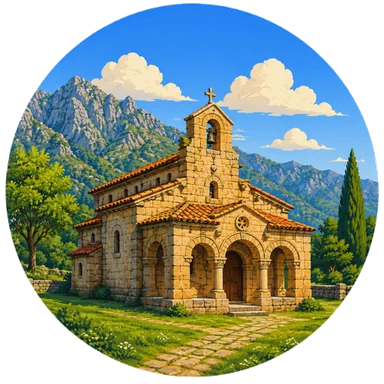
Capilla de Santa Cruz
A chapel built over a Neolithic dolmen, which can be seen inside.
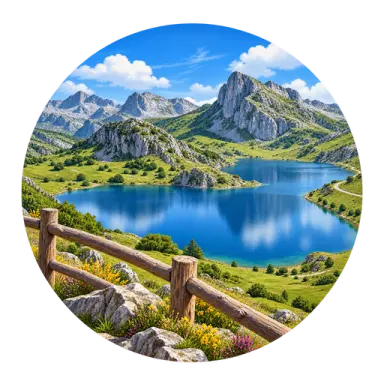
Lagos de Covadonga
The two glacial lakes at twelve hundred metres, inside the Picos de Europa park.
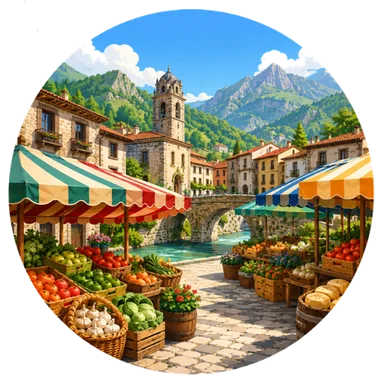
Mercado dominical
The Sunday market, where cheese and livestock from the valleys are sold.
Where Cangas de Onís comes from
The first capital of the kingdom of Asturias
722
Covadonga
Pelayo repels the Muslims in the valley right next door: the kingdom of Asturias begins.
722–774
The capital
Cangas is the first seat of the kingdom, before it moves to Pravia and then to Oviedo.
14th century
The bridge
The bridge that everyone calls Roman, and which is not Roman, is built.
20th century → today
The Picos
The national park and the lakes make the town the gateway to the Picos de Europa.
Want to learn Spanish by travelling across Spain?
In Aula every lesson is a city lighting up on the map — Cangas de Onís is one of them. Two hundred lessons from A1 to C2, free, starting from your level.
Start from Cangas de Onís →