 Aula· Spain, city by city
Asturias
Oviedo
«Oviedo es famosa por su catedral gótica y la sidra.»Oviedo is famous for its Gothic cathedral and cider.
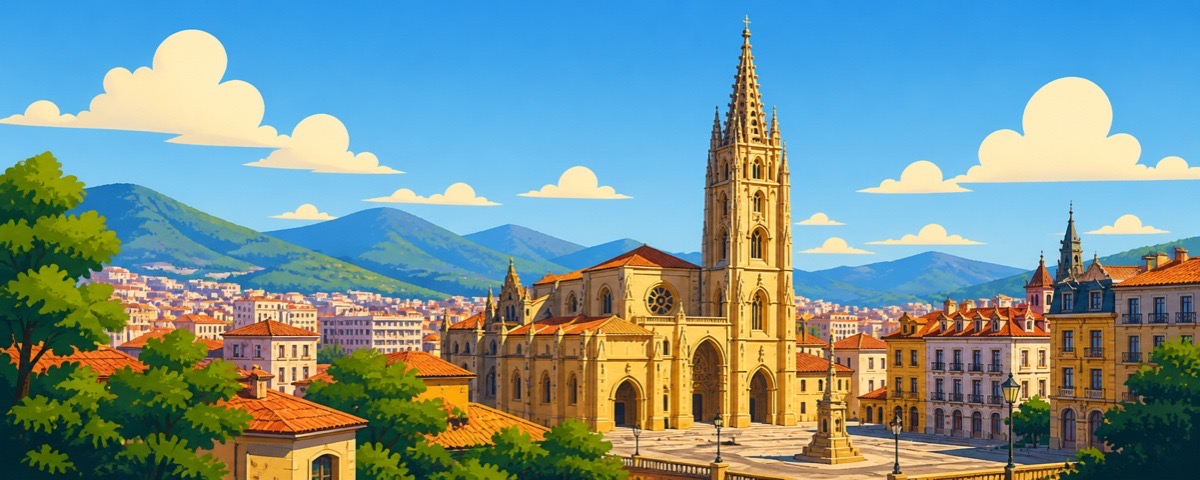
Oviedo is the capital of Asturias and the historic heart of the region. Elegant and orderly, it combines a pedestrian medieval centre with important pre-Romanesque monuments recognised by UNESCO.
Did you know
Woody Allen has his statue here
Woody Allen filmed some scenes of 'Vicky Cristina Barcelona' here and has a life-size statue in the historic centre.
How they talk in Oviedo
Asturian is heard and seen in words like «guaje» for boy and «prestoso» for pleasant. «Culín» is the small amount of sidra poured into the glass each time.
prestar
To cause pleasure or satisfaction. Daily use in constructions like «présta-me/prestóme» to say that something is liked or has given pleasure.
Everyday life in Oviedo
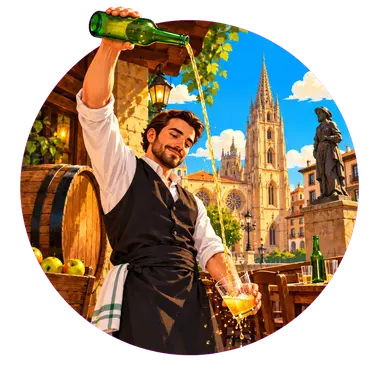
La sidra si versa da un metro
The waiter raises the bottle above their head and pours a sip of cider into the glass held low: it is drunk in one go and the dregs are thrown on the floor. It is called «escanciar» and without that the cider has no bubbles.
«¿Me escancias un culín?» — Can you pour me a sip?
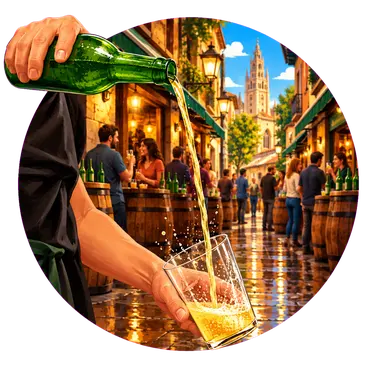
Il «Boulevard de la Sidra»
An entire street of cider houses one after the other, where you go in, drink a glass and move on to the next one. The floor is wet on purpose, and it is cleaned at every closing time.
«Nos vamos de sidra.» — Let's go for cider.
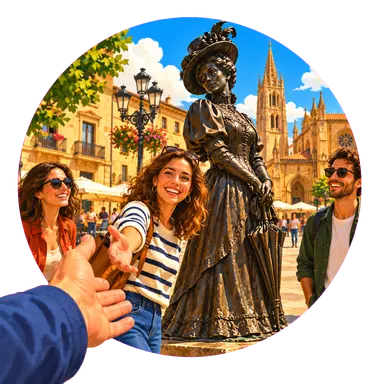
Le statue in mezzo alla gente
The centre has more than a hundred sculptures on the street, and the people of Oviedo use them as meeting points: you arrange to meet «at the Regenta» or «at the bottom» of the Maternidad without explaining anything else.
«Quedamos en la Regenta.» — Let's meet at the Regenta.
What to eat in Oviedo
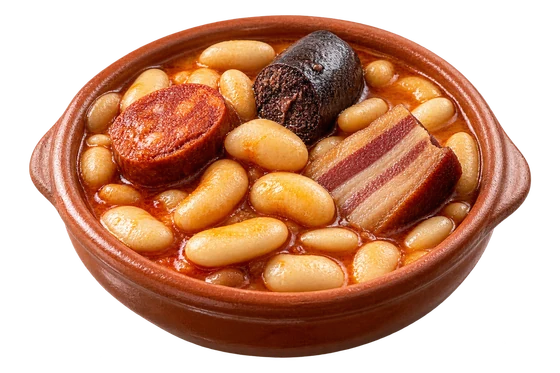
Fabada asturiana
Large white beans slow-cooked with chorizo, morcilla and lacón. It is eaten at midday and then you do nothing else.
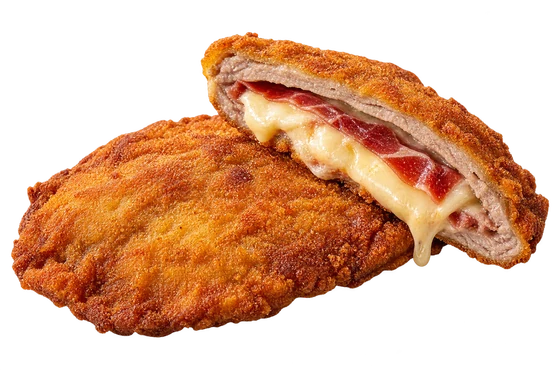
Cachopo
Two slices of veal with ham and cheese inside, breaded and fried. One is enough for two.
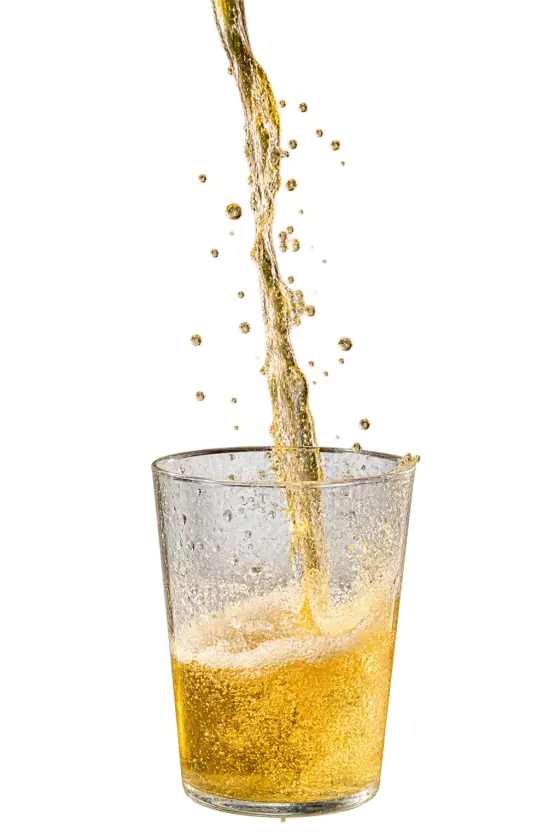
Sidra
Natural cider poured from a metre above the glass to wake it up, one sip at a time, to be drunk immediately.
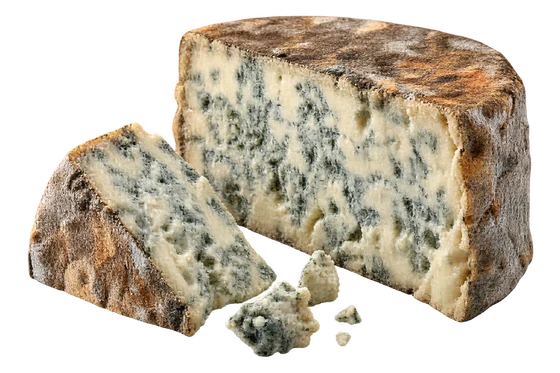
Queso Cabrales
Blue cheese aged in the caves of the Picos de Europa, strong and creamy.
Festivals in Oviedo
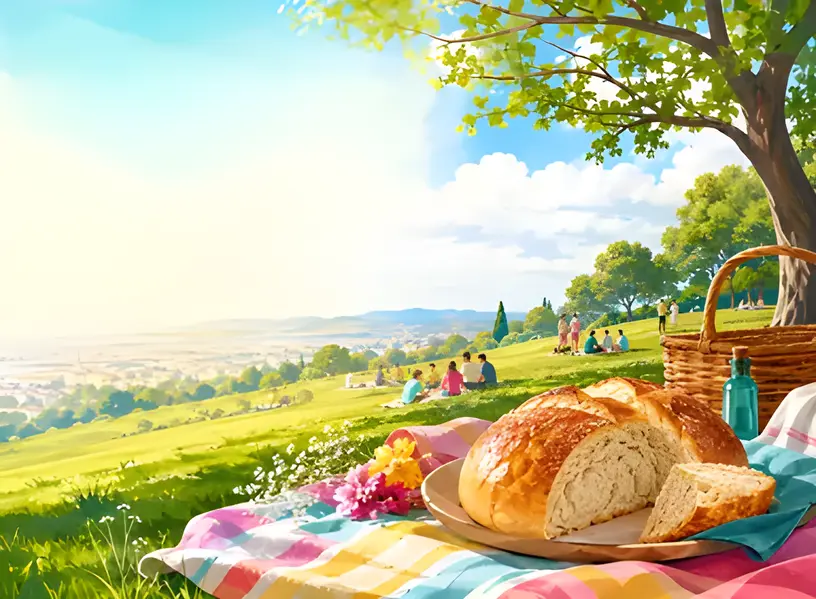
Martes de Campo
the Tuesday after Pentecost
The whole city goes out to the Prao Picón with a basket: bollo preñao, cider and the day on the grass. The shops close.
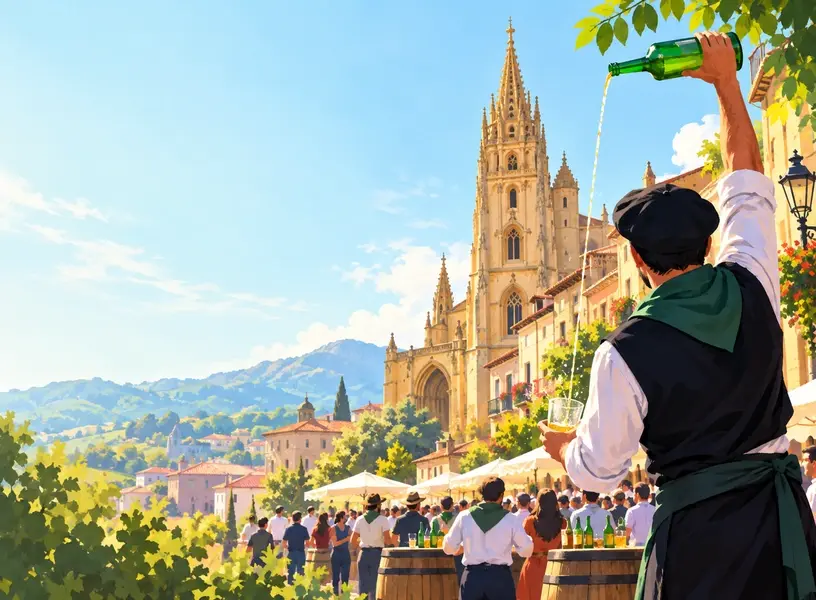
Fiestas de San Mateo
the days around 21 September
Cider is poured from above in the middle of the street, and the city spends an entire week out of the house.
What to see in Oviedo
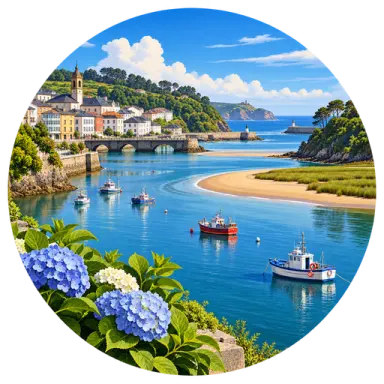
Santa María del Naranco
An 842 building on the hill above the city, with a loggia open at both ends.
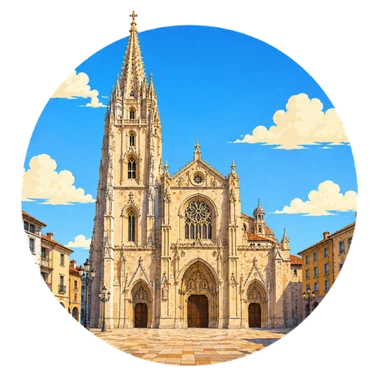
Catedral de San Salvador
Gothic on the outside, with a 9th-century chapel inside around which it grew.
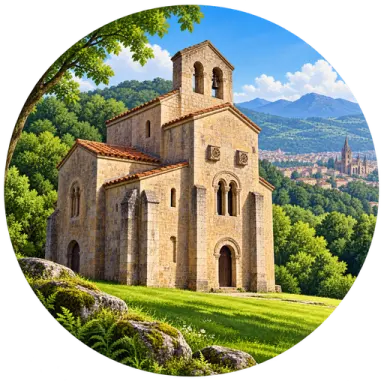
San Miguel de Lillo
What remains of a 9th-century church: a third of it, the rest collapsed down the hill.
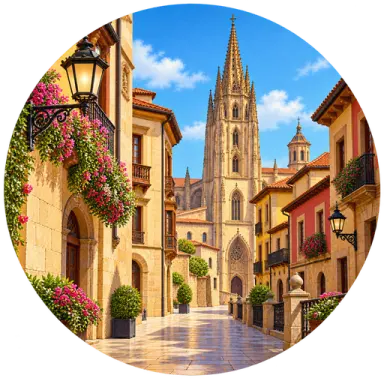
Casco Antiguo
The historic centre, with the Fontán market, the sidrerías of Gascona and more than a hundred statues on the streets.
Where Oviedo comes from
From monastery to capital of a kingdom
761
The monastery
Two monks found a monastery on the hill of Ovetao, in the middle of the woods.
791–842
The capital
Alfonso II makes it the capital of the kingdom of Asturias and opens the road towards Santiago.
9th century
The pre-Romanesque
Santa María del Naranco and San Miguel de Lillo are built, which have no equals in Europe.
19th century → today
Oviedo
Coal changes the region; the city remains the administrative and university centre.
Born here: Leopoldo Alas «Clarín», writer.
Want to learn Spanish by travelling across Spain?
In Aula every lesson is a city lighting up on the map — Oviedo is one of them. Two hundred lessons from A1 to C2, free, starting from your level.
Start from Oviedo →