 Aula· Spain, city by city
Baleares
Inca
«Inca es conocida por su industria de zapatos de piel.»Inca is known for its leather shoe industry.
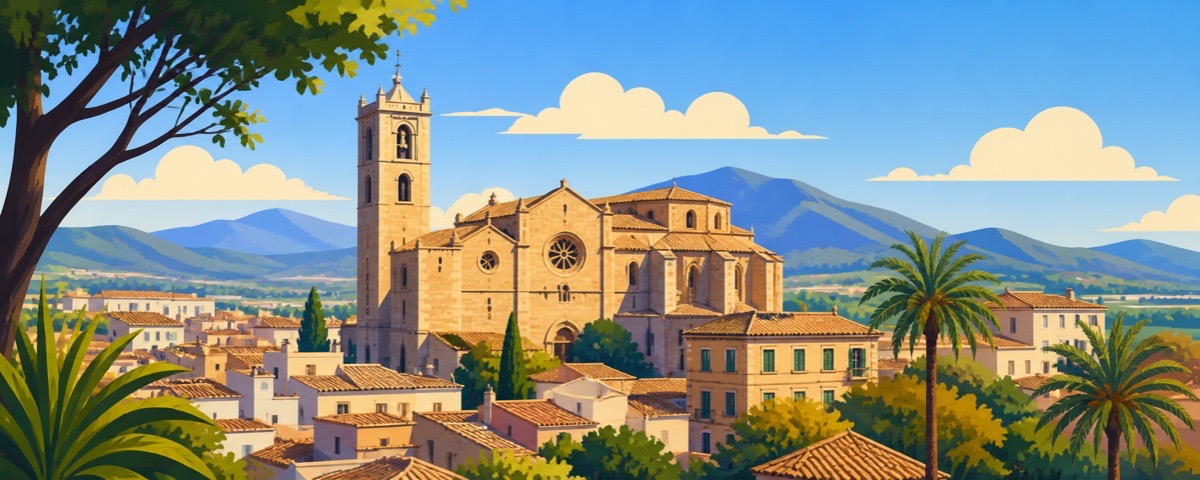
Inca is in the centre of the Majorcan plain, halfway between Palma and the north coast. It is the centre of the island's leather and footwear industry, and every November it hosts the Dijous Bo, the largest fair in the Balearic Islands, which fills all the town's streets for a day.
Did you know
The largest market in Majorca.
Every Thursday, one of the largest and oldest traditional markets in all of Majorca is held in Inca.
How they talk in Inca
The Majorcan dialect uses «sa», «es» and words like «cellers» for traditional cellar-restaurants. «Inquer» is the Catalan demonym for the city.
idò
Then; so; well. Conjunction and discourse marker very common in Balearic Catalan, used to connect or introduce a response.
Everyday life in Inca
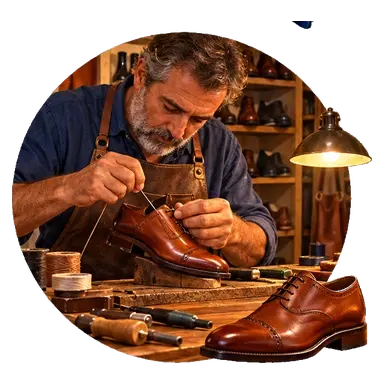
The leather «calzado»
Inca has been making shoes for over a century and its brands are sold all over the world: the factories have open outlets and Majorcans come here specifically to buy.
«Aquí se hacen zapatos de piel.» — Here leather shoes are made.
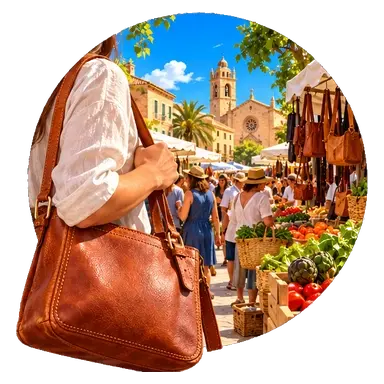
The Thursday market
The Thursday market is the largest on the island and fills half the village: everything is sold, from vegetables to leather goods, and coaches arrive from all over Majorca.
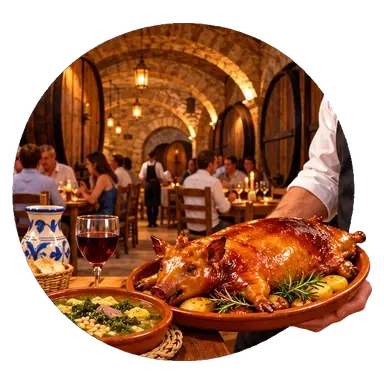
The «cellers» inside the cellars
The traditional restaurants of Inca are inside the old wine cellars, with enormous barrels on the walls: you eat suckling pig and sopa mallorquina under the vaults.
«Comemos en un celler.» — We are eating in a celler.
What to eat in Inca
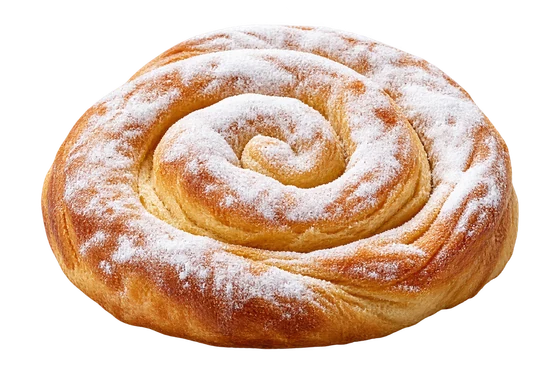
Ensaimada
Spiral of leavened dough with lard, which is bought in an octagonal box.
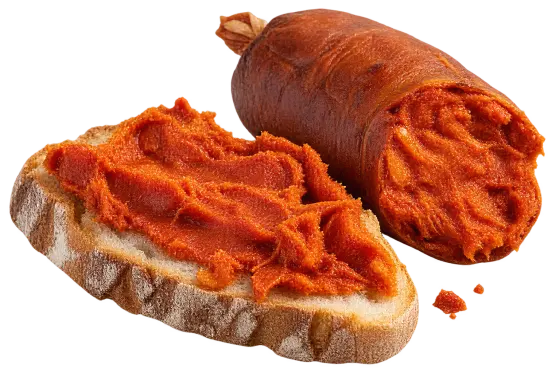
Sobrasada
Soft sausage made of black pork and paprika, to spread on bread.
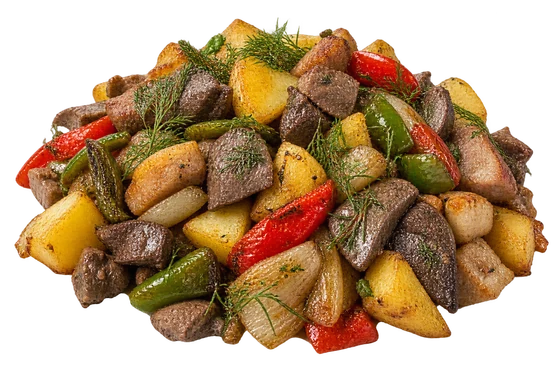
Frito mallorquín
Offal, potatoes and peppers sautéed with fennel.
Festivals in Inca
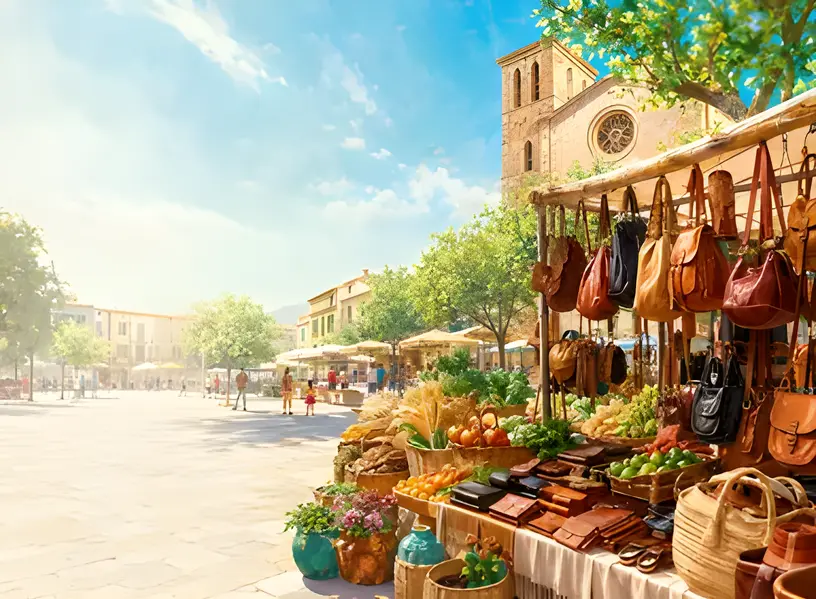
Dijous Bo
the third Thursday of November
The largest fair in Majorca: livestock, agricultural machinery and half the village in the street from dawn.
What to see in Inca
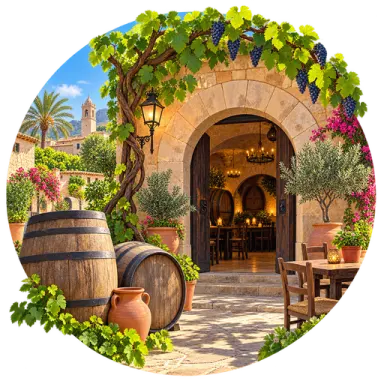
Els cellers
The old underground cellars turned into restaurants, with the barrels still on the walls.
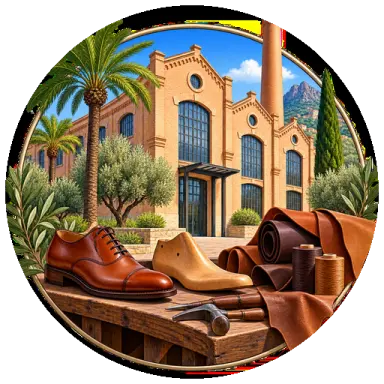
Museu del Calçat i de la Pell
The shoe and leather museum, in the old tanneries district.
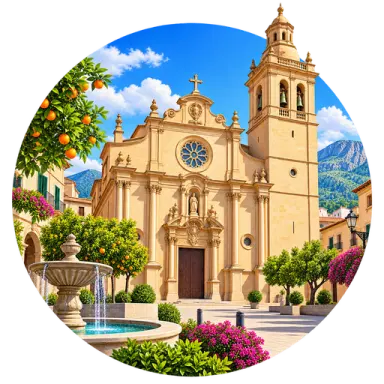
Església de Santa Maria la Major
The village's large, Baroque church, with the tower that can be seen from the plain.
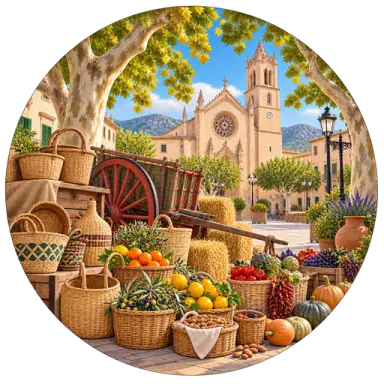
Dijous Bo
The November fair, the largest in the Balearic Islands: for one day the village fills up from all over the island.
Where Inca comes from
The village of shoes
Muslim era
Inkan
One of the districts into which the Muslims had divided the island.
1229
The conquest
It passes to the Crown of Aragon with the taking of Majorca.
19th–20th century
Leather
The tanneries and shoe factories make Inca the leather centre of the island.
Every November
The Dijous Bo
The largest fair in the Balearic Islands fills the village for an entire day.
Want to learn Spanish by travelling across Spain?
In Aula every lesson is a city lighting up on the map — Inca is one of them. Two hundred lessons from A1 to C2, free, starting from your level.
Start from Inca →