 Aula· Spain, city by city
Canarias
Adeje
«Adeje es famoso por los impresionantes acantilados de los Gigantes.»Adeje is famous for the impressive cliffs of Los Gigantes.
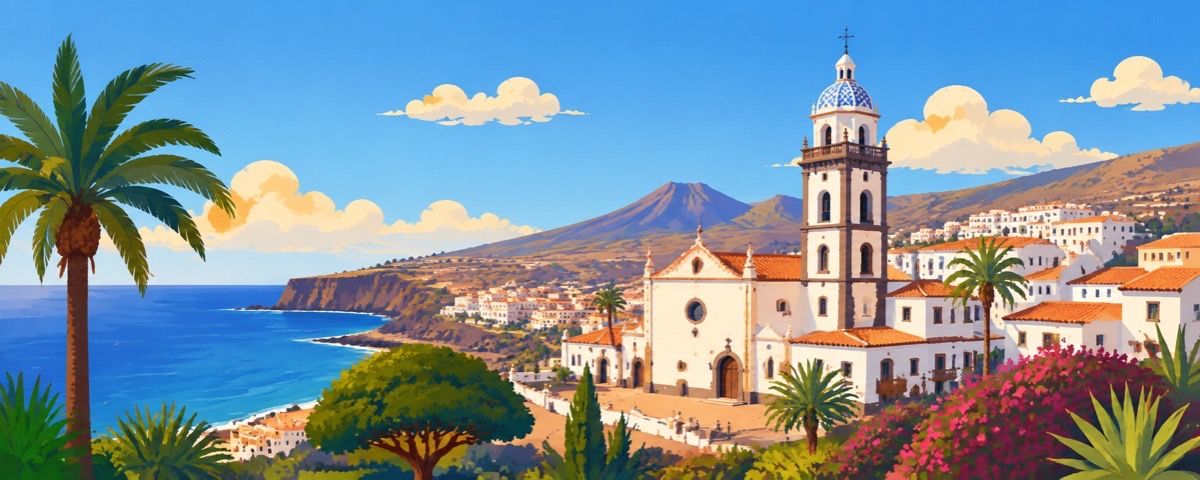
Adeje is on the south-western coast of Tenerife and before the conquest it was the most powerful Guanche kingdom in the south of the island. The historic town is in the hills, while the coastal strip is now one of the most visited tourist areas in Spain; behind it opens the Barranco del Infierno.
Did you know
Sugar cane in the 16th century.
In the 16th century, the Casa Fuerte in Adeje was the site of one of the largest and most productive sugar cane plantations in the Canary Islands.
How they talk in Adeje
«Guagua», «papa» and «ustedes» are part of daily Canarian speech. «Barranco» is an essential geographical word in Tenerife because it indicates the ravines that cut through the volcanic slopes.
guagua
Bus or coach for collective transport. Normally used for urban and interurban buses and, by extension, for school or tourist coaches.
Everyday life in Adeje
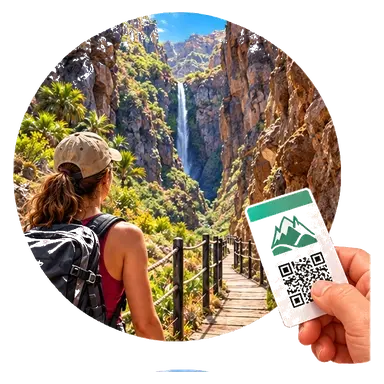
The «Barranco del Infierno»
The ravine behind the town is traversed by a restricted path and ends at a waterfall: it is the walk that residents take, and you have to book a spot because only a few people enter per day.
«Hay que reservar para el barranco.» — You have to book for the barranco.
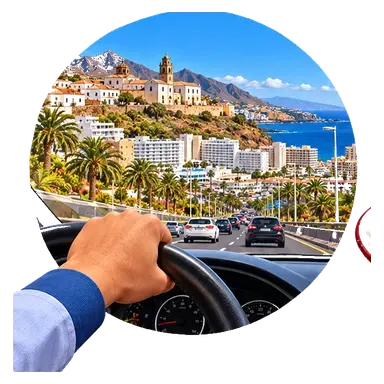
The town above, the hotels below
The historic centre is on the hill and the coast of Costa Adeje is all tourist accommodation: those who work in the hotels live above, and the road that connects the two worlds is always busy.
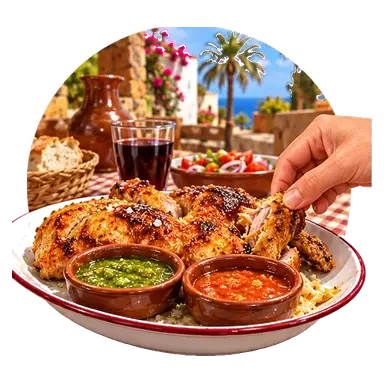
The Sunday «pollo al mojo»
Adeje is famous on the island for grilled chicken with mojo, and the 'tinerfeños' come up here on purpose on Sundays: you eat it with your hands and order half or a whole one.
«Un pollo con mojo, por favor.» — A chicken with mojo, please.
What to eat in Adeje
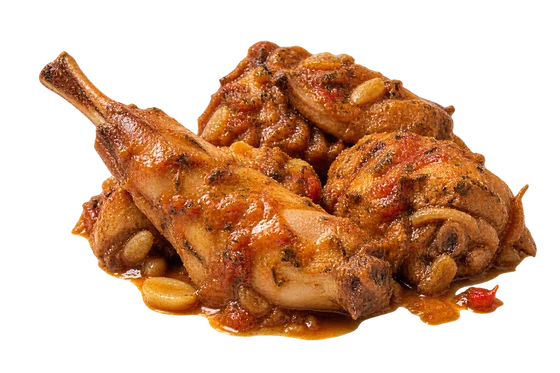
Conejo en salmorejo
Rabbit marinated for a day in garlic, paprika, thyme, and wine, then slow-cooked in its marinade.
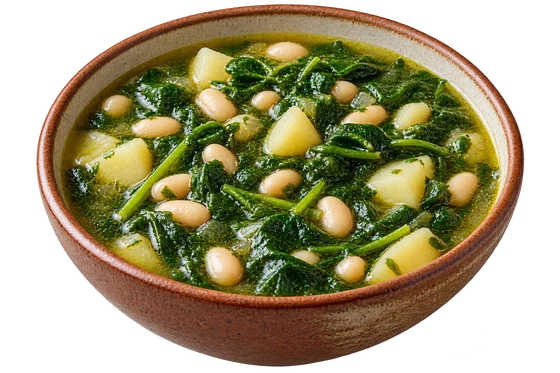
Potaje de berros
Thick watercress soup with potatoes, beans, and corn, with 'gofio' on the side.
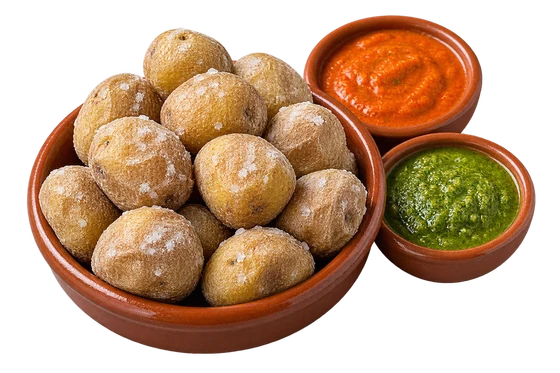
Papas arrugadas con mojo
Potatoes boiled in very salty water, with wrinkled skin and mojo sauce.
Festivals in Adeje
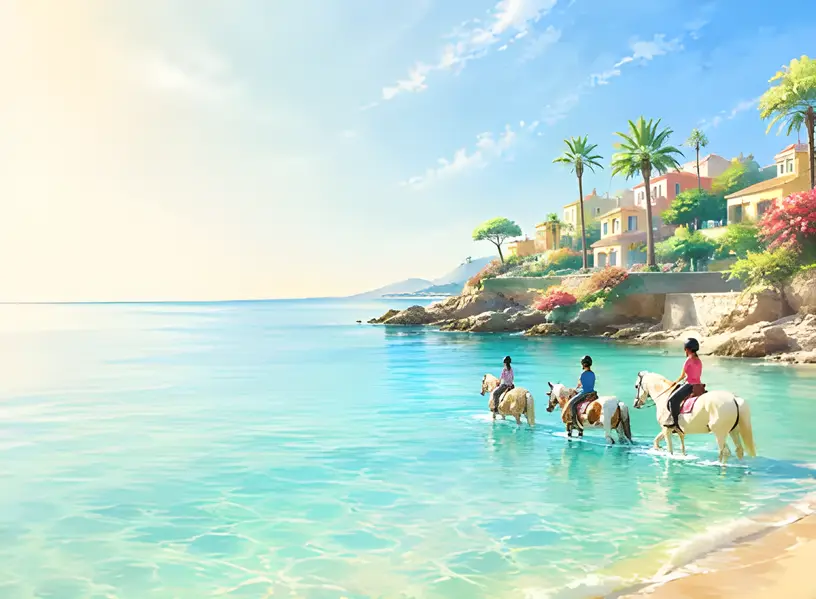
Fiestas de San Sebastián
around January 20
Horses and camels enter the sea at La Enramada for the blessing, with people in the water next to them.
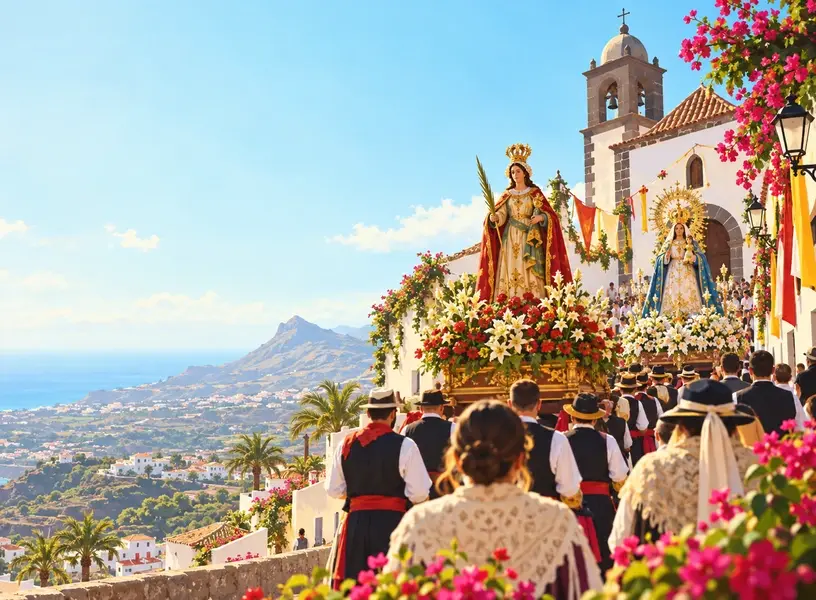
Fiestas Patronales
in October
Santa Úrsula and the Virgen de la Encarnación go out in the historic centre, on the hill, far from the hotels on the coast.
What to see in Adeje
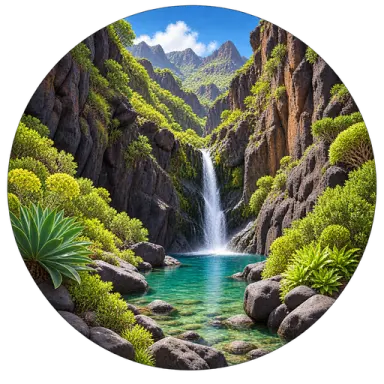
Barranco del Infierno
Three kilometres of ravine carved into the rock, with the island's only permanent waterfall at the end.
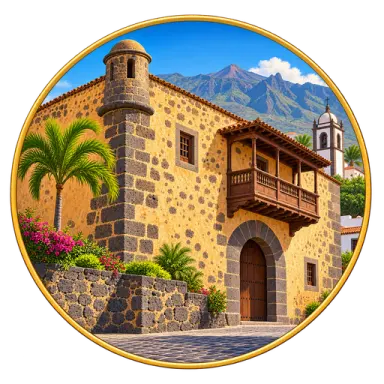
Casa Fuerte
What remains of the fortified house of the lords of Adeje, burned in 1902.
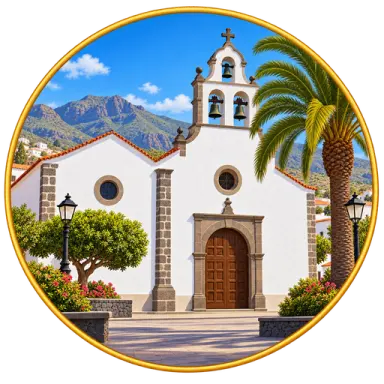
Iglesia de Santa Úrsula
The church of the old town, with a Mudéjar wooden ceiling and a white tower.
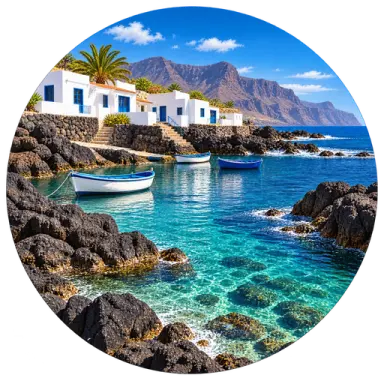
La Caleta
The fishing village on the coast, with houses by the sea and rocky coves.
Where Adeje comes from
The strongest Guanche kingdom in the south
Before 1496
The menceyato
Adeje was the most powerful Guanche kingdom in the south of Tenerife.
1496
The conquest
It passes to the crown; the 'señorío' is born, with sugar cane and slave labour.
16th–17th century
The Casa Fuerte
The lords build their fortified house, with the mill and sugar warehouses.
1960 → today
Costa Adeje
Tourism transforms the coastal strip, while the old town remains in the mountains.
Want to learn Spanish by travelling across Spain?
In Aula every lesson is a city lighting up on the map — Adeje is one of them. Two hundred lessons from A1 to C2, free, starting from your level.
Start from Adeje →