 Aula· Spain, city by city
Canarias
Arona
«Arona recibe millones de turistas en sus playas del sur.»Arona receives millions of tourists on its southern beaches.
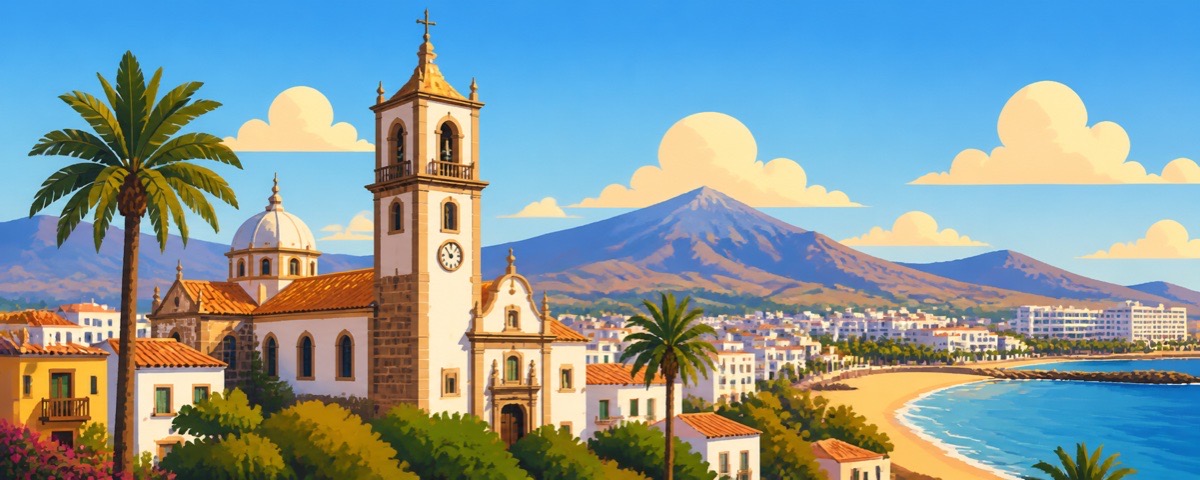
Arona occupies the south-western coast of Tenerife and includes Los Cristianos and part of Playa de las Américas. The old town is in the mountains at six hundred metres, where people built their homes to stay away from pirates, while the coast has been transformed by tourism since the sixties.
Did you know
The real town is high up.
The historic centre of Arona is located inland at an altitude of over six hundred metres, well away from the tourist skyscrapers on the coast.
How they talk in Arona
«Guagua», «papa» and «ustedes» are normal in Canarian speech. «Chicharrero» mainly refers to Santa Cruz, while in the south of Tenerife the daily lexicon is heavily mixed due to the international presence.
guagua
Bus or coach for collective transport. Normally used for urban and interurban buses and, by extension, for school or tourist coaches.
Everyday life in Arona
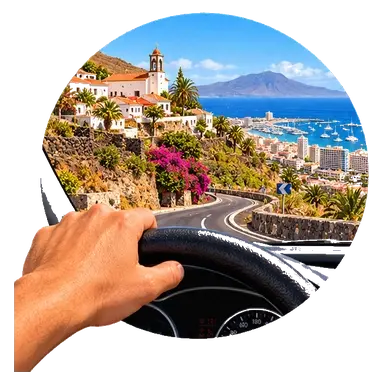
Two different Aronas
The town is on the hill, at six hundred metres, and the tourist coast of Los Cristianos is below: they are the same municipality, but life is opposite, and people drive down to work.
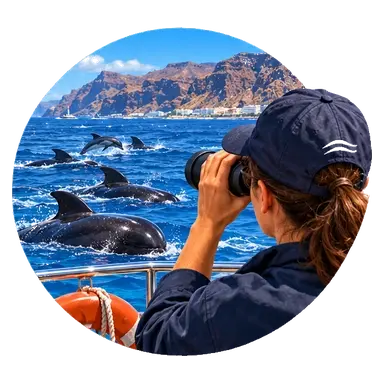
The «calderones» all year round
Pilot whales and dolphins live permanently off the coast, and boats leave every day from the port: many residents have worked there for at least one season.
«Hay ballenas todo el año.» — There are whales all year round.
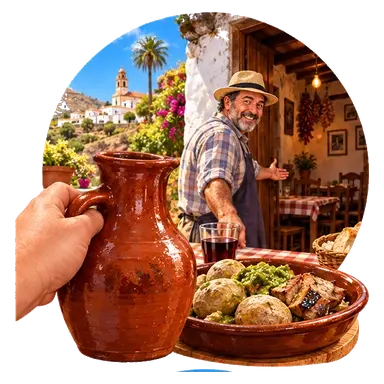
The «guachinche» up high
In the hillside towns, you eat in houses that sell their own wine with two or three fixed dishes: they open for a few months a year, and you only find them if someone tells you where they are.
«Vamos a un guachinche.» — Let's go to a guachinche.
What to eat in Arona
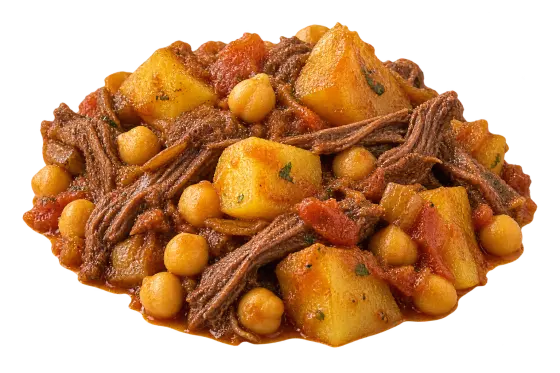
Ropa vieja
Meat and chickpeas left over from the stew, sautéed with fried potatoes, onion, and peppers.
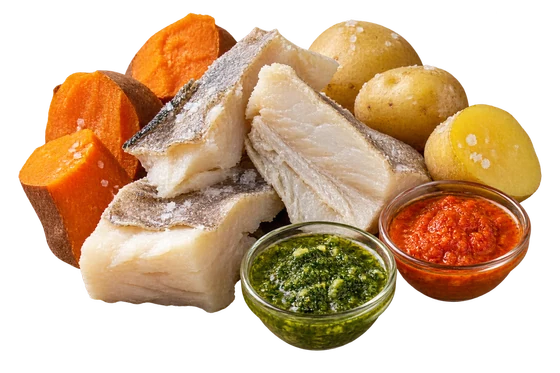
Sancocho canario
Salted fish boiled with potatoes and sweet potatoes, with 'gofio escaldado' and mojo sauce.
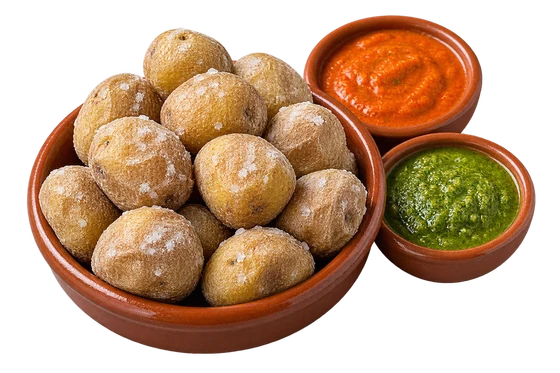
Papas arrugadas con mojo
Potatoes wrinkled in very salty water, with mojo sauce.
Festivals in Arona
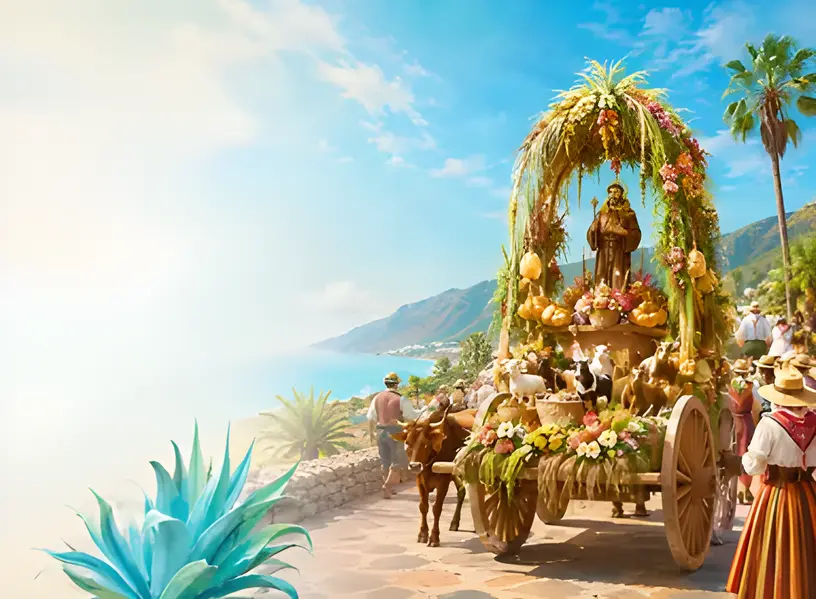
Romería de San Antonio Abad
in January
The animal pilgrimage: goats, horses, and dogs are brought to be blessed, and people go down with carts in Canarian costumes.
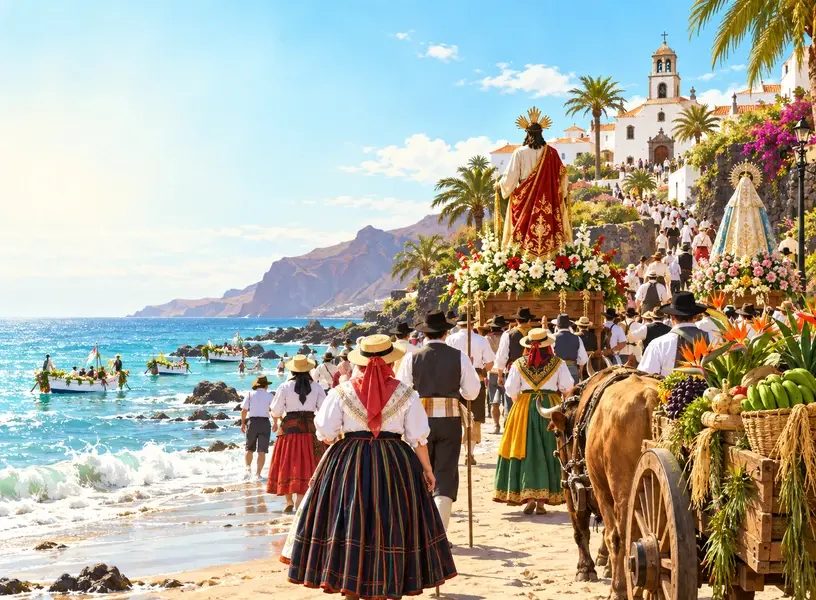
Cristo de la Salud y Virgen del Rosario
between late September and early October
The pilgrimage goes up from the sea to the old town, at six hundred metres, with Canarian costumes and carts of produce.
What to see in Arona
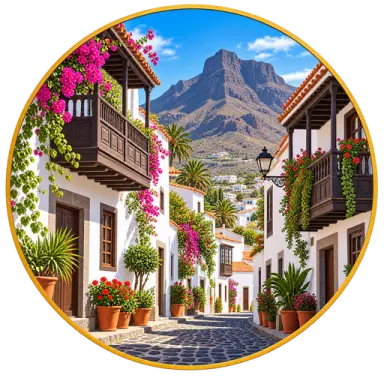
Casco de Arona
The old town in the mountains, at six hundred metres, with the church and stone houses.
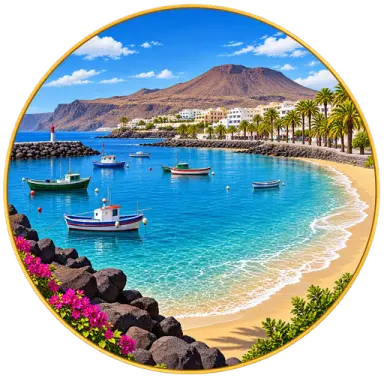
Los Cristianos
The fishing port that became a ferry port for La Gomera, with the beach next to it.
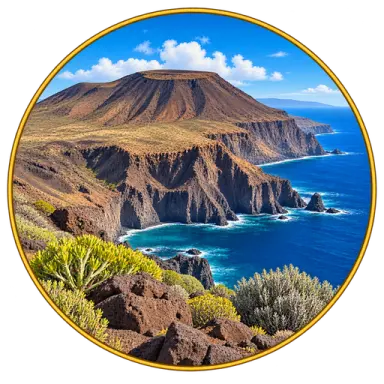
Montaña de Guaza
The flat volcano that closes the bay, with trails and old quarries.
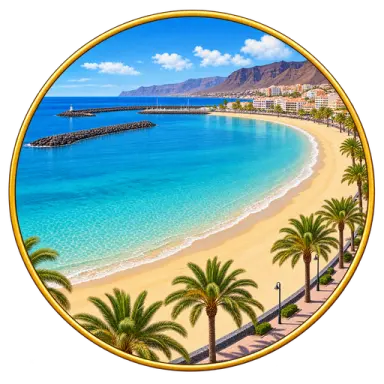
Playa de Las Vistas
The long beach between Los Cristianos and Las Américas, with sand brought from the Sahara.
Where Arona comes from
From the mountain town to the coast
Before 1496
The Guanches
The territory was part of the menceyato of Abona, one of the nine Guanche kingdoms of Tenerife.
18th century
The town
The settlement is born in the mountains, at six hundred metres, far from the sea and pirates.
1960 → today
The coast
Los Cristianos and Las Américas transform the municipality: from countryside to tourism in twenty years.
Want to learn Spanish by travelling across Spain?
In Aula every lesson is a city lighting up on the map — Arona is one of them. Two hundred lessons from A1 to C2, free, starting from your level.
Start from Arona →