 Aula· Spain, city by city
Canarias
San Sebastián
«San Sebastián de la Gomera guarda el pozo que usó Colón.»San Sebastián de la Gomera guards the well used by Columbus.
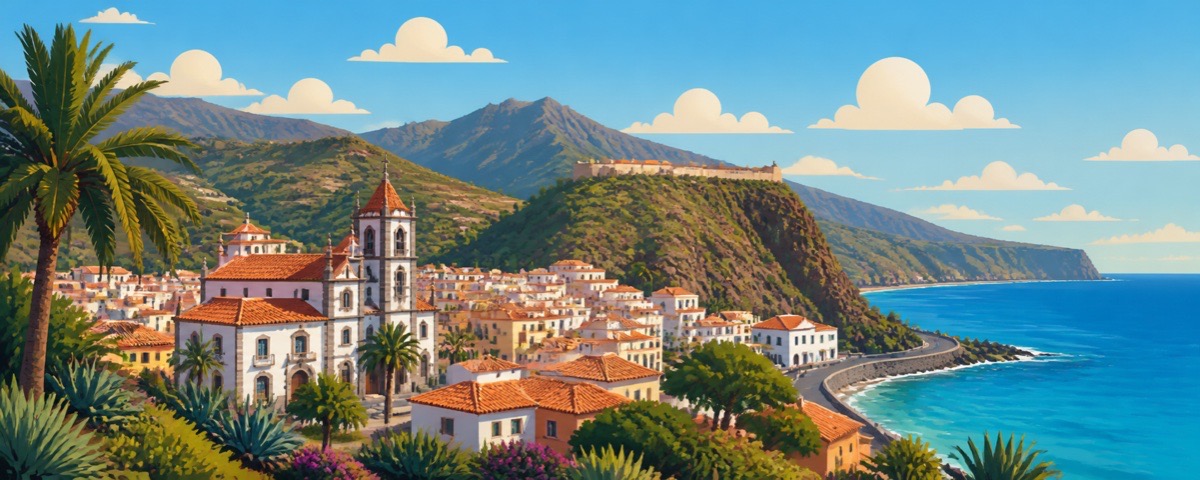
San Sebastián de La Gomera is the capital of its island and sits in a bay on the eastern coast, facing Tenerife. It was the last port where Columbus stopped before crossing the Atlantic in 1492, and the island preserves the silbo, a whistled language still taught in schools.
Did you know
The only medieval fortress in Canaries.
The Torre del Conde is the only medieval military fortress that has survived intact in the entire Canary Islands archipelago.
How they talk in San Sebastián
«Gomero» refers to people and products from La Gomera. The «silbo gomero», a whistled language recognised by UNESCO, transmits Spanish structures through whistles audible at great distances.
guagua
Bus or coach for collective transport. Normally used for urban and interurban buses and, by extension, for school or tourist coaches.
Everyday life in San Sebastián
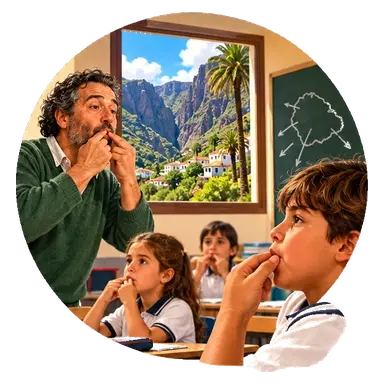
The «silbo gomero» is taught in schools
The whistled language that allows people to speak from one side of the ravines to the other is a compulsory subject in the island's schools: children learn it, and it is not a memory but a practice.
«El silbo se aprende en la escuela.» — The silbo is learned at school.
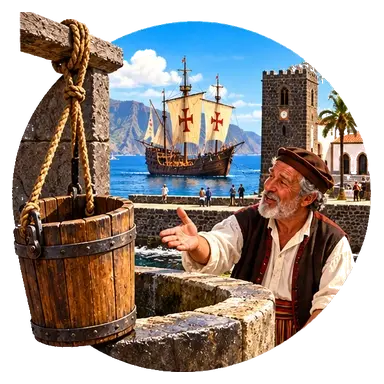
Columbus set off from here
The caravels made their last stop in this port in 1492, and in the town there is the well where they took water and the house where he stayed. It is spoken of as a local event.
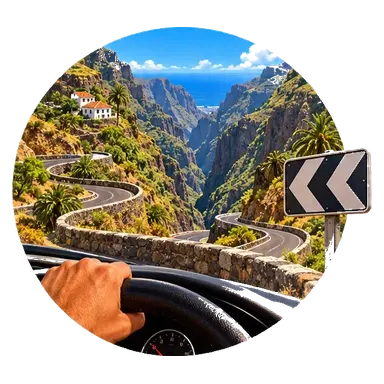
Ravines cut through everything
La Gomera is criss-crossed by very deep valleys, and to go to a town a few kilometres away as the crow flies takes an hour of winding roads: distances here are measured in minutes, never in kilometres.
«Aquí se cuenta en minutos, no en kilómetros.» — Here we count in minutes, not in kilometres.
What to eat in San Sebastián
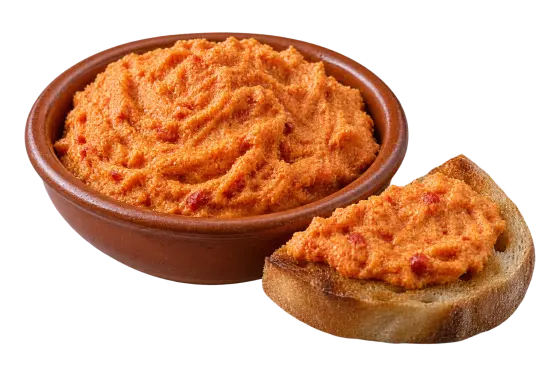
Almogrote
A cream of aged cheese, dried pepper, garlic and oil, to spread on toasted bread.
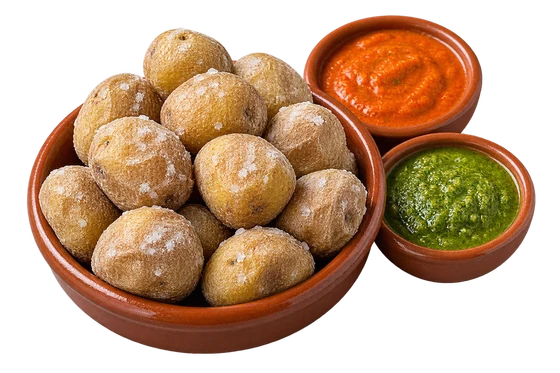
Papas arrugadas con mojo
Potatoes wrinkled in very salty water, with mojo.
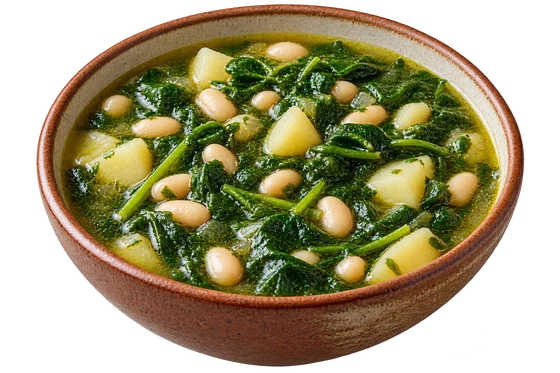
Potaje de berros
A thick soup of watercress, potatoes, beans and corn on the cob, with gofio on the side.
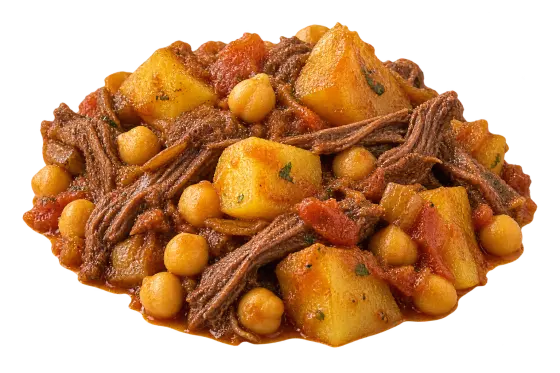
Ropa vieja
Meat and chickpeas from the stew, sautéed with fried potatoes, onion and peppers.
Festivals in San Sebastián
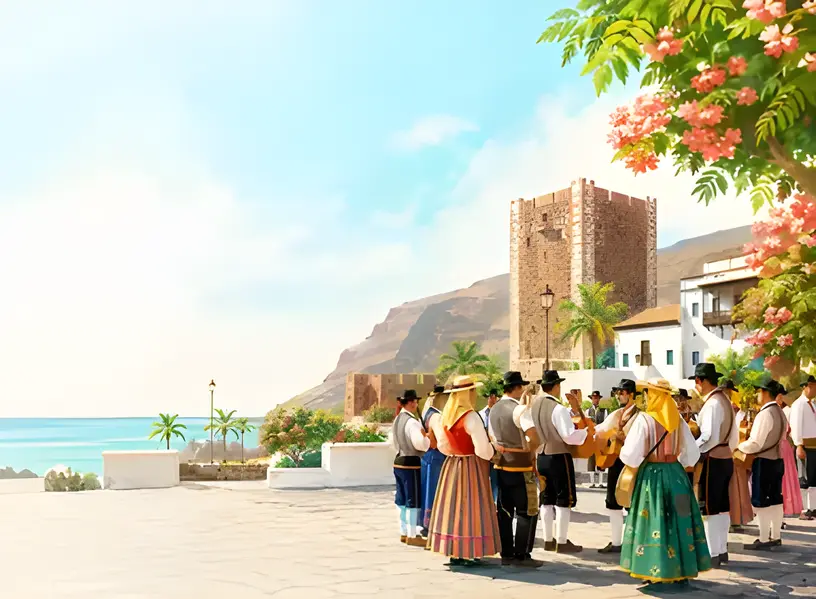
Fiestas Patronales de San Sebastián
around 20 January
The «Baile de Magos» fills the square with people in peasant costumes, and they dance with castanets.
What to see in San Sebastián
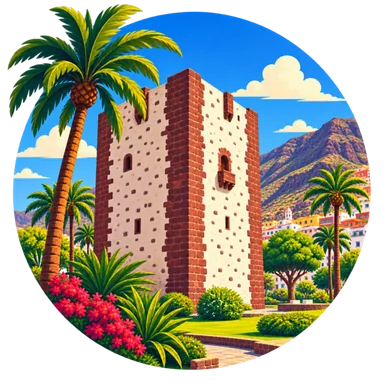
Torre del Conde
The oldest military building in the Canary Islands: when Columbus saw it, it was already forty years old.
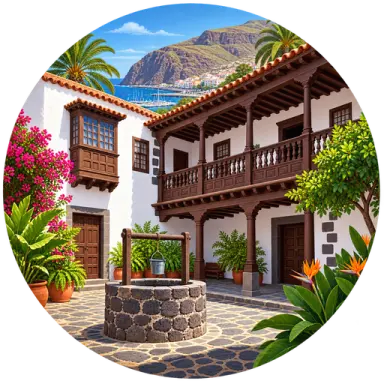
Casa de la Aguada
The well from which Columbus filled his barrels before leaving, with the inscription on the wall.
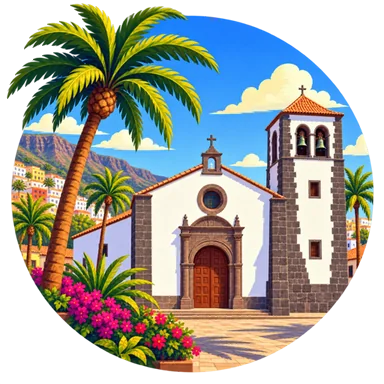
Iglesia de la Asunción
The church where Columbus prayed before leaving, with the fresco of the English attack of 1743.
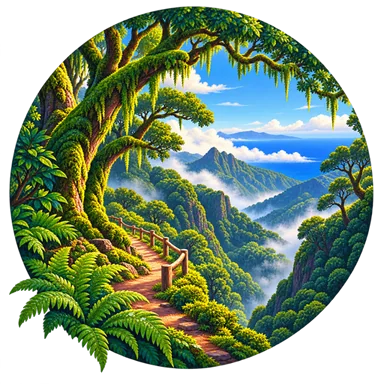
Parque Nacional de Garajonay
A laurel forest that has not existed in Europe for millions of years, kept alive by the fog.
Where San Sebastián comes from
The last port before the Atlantic
Before 1450
The Gomerans
The island was divided into four cantons, and the conquest lasted for decades.
1447
The tower
Hernán Peraza subdued it: the Torre del Conde dates from 1450 and is still standing.
1492
Columbus
Columbus made his last stop here before crossing the Atlantic, and took water from the well.
2009
The silbo
The island's whistled language was added to the Intangible Cultural Heritage of Humanity.
Want to learn Spanish by travelling across Spain?
In Aula every lesson is a city lighting up on the map — San Sebastián is one of them. Two hundred lessons from A1 to C2, free, starting from your level.
Start from San Sebastián →