 Aula· Spain, city by city
Cantabria
Castro Urdiales
«Castro Urdiales destaca por su hermosa iglesia gótica junto al mar.»Castro Urdiales stands out for its beautiful Gothic church by the sea.
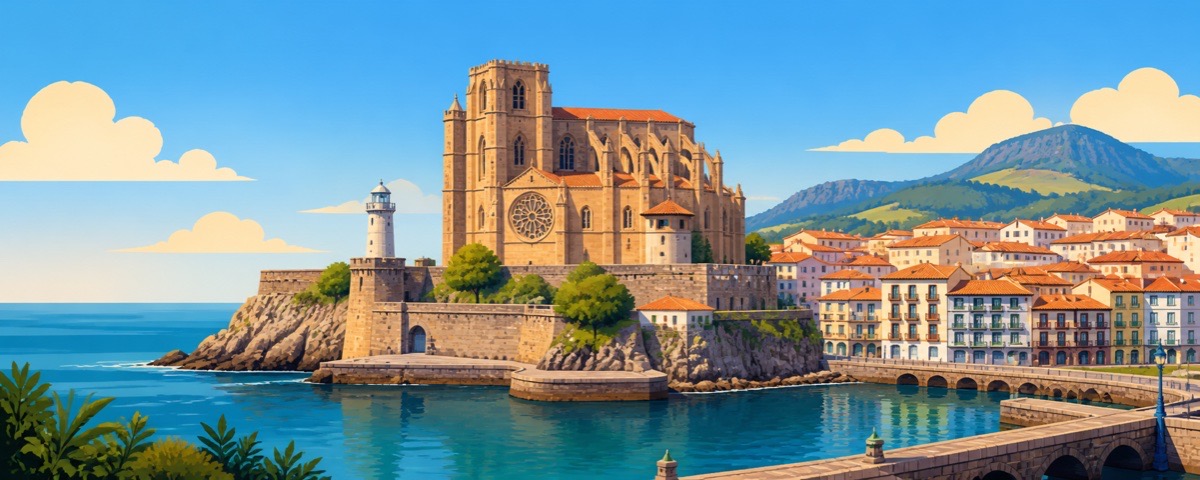
Castro Urdiales is located on the eastern coast of Cantabria, a stone's throw from the border with the Basque Country. It was the only Roman colony on the Cantabrian coast, under the name of Flaviobriga, and its profile is defined by the Gothic church and the castle-lighthouse on a rock above the fishing port.
Did you know
A lighthouse above Roman ruins.
Its famous lighthouse was built exactly on top of the remains of an ancient Roman temple.
How they talk in Castro Urdiales
«Castreño» is the demonym and «marmita» indicates the tuna and potato stew of the maritime tradition. The Cantabrian suffix «-uco/-uca» appears in regional speech.
pindio / pindia
Very steep or inclined. Used especially for an ascent, a road, or terrain with a sharp incline: «una cuesta muy pindia».
Everyday life in Castro Urdiales
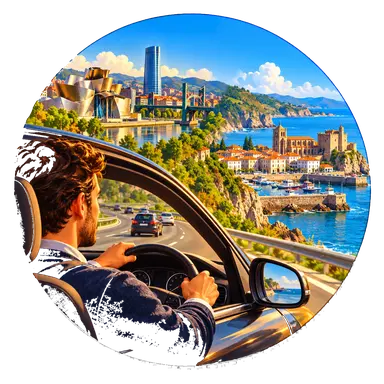
Living between Bilbao and here
Many inhabitants work in Bilbao, half an hour away by motorway, and return to sleep by the sea: the city grew like this, and it is almost a distant neighbourhood of the Basque metropolis.
«Trabajo en Bilbao y duermo aquí.» — I work in Bilbao and sleep here.
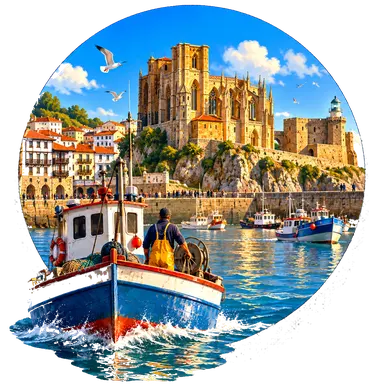
The Gothic church above the port
Santa María de la Asunción stands on the rock with the castle-lighthouse next to it, and can be seen from the water: it is the backdrop of every photo and the place from which you watch the boats return.
«La iglesia está sobre la roca.» — The church is on the rock.
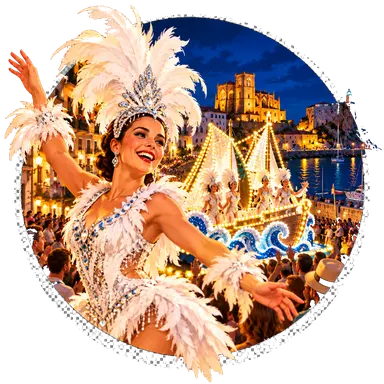
The «Coso Blanco» in July
A night parade of illuminated floats and performers that has been going on for almost a century: you take a spot on the route hours before, and the city does not sleep.
What to eat in Castro Urdiales
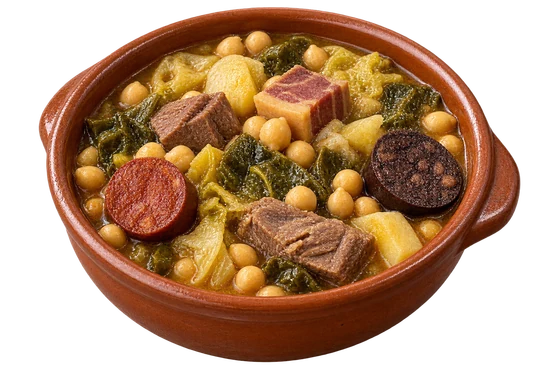
Cocido lebaniego
Small chickpeas from Liébana with cabbage, potatoes and meats, served in three courses like the madrileño.
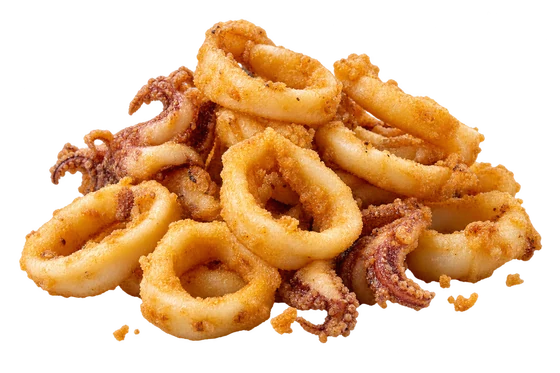
Rabas
Rings and strips of squid floured and fried, served in a paper cone with lemon.
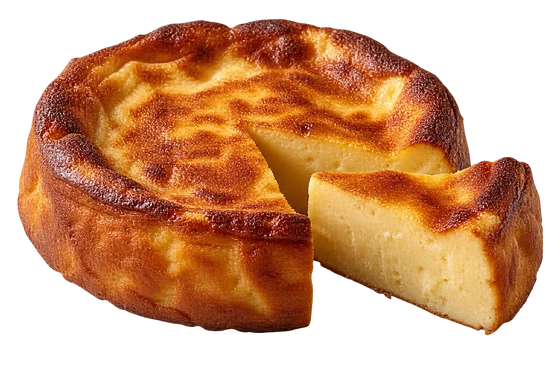
Quesada pasiega
Dense dessert of curdled milk, butter and lemon, baked in a low tin.
Festivals in Castro Urdiales
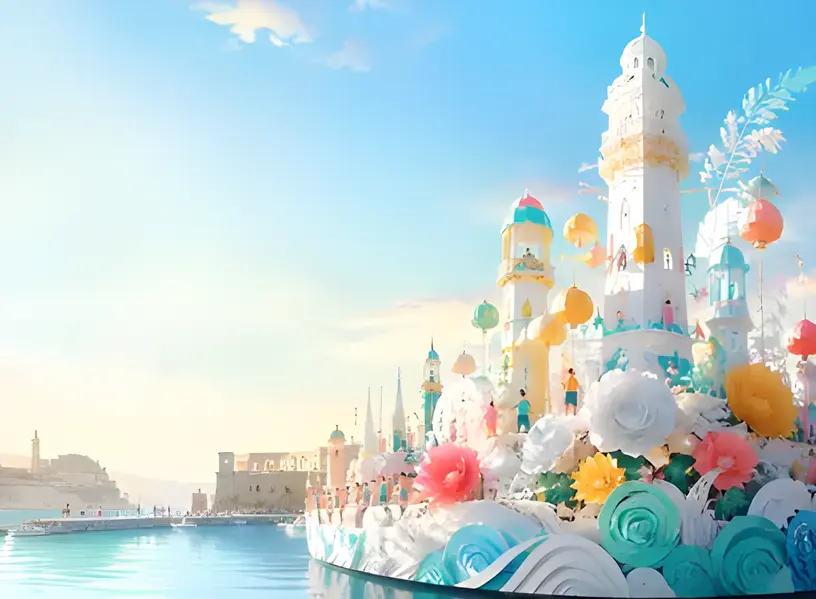
Coso Blanco
the first Friday of July
The illuminated carrozas parade at night on the seafront, and a storm of confetti falls on you.
What to see in Castro Urdiales
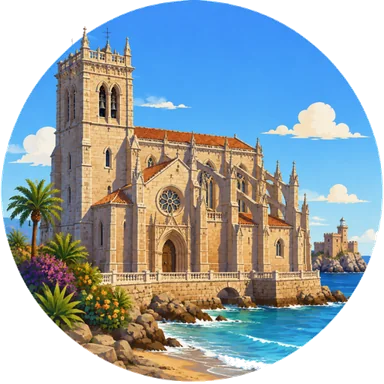
Iglesia de Santa María de la Asunción
The most important Gothic church in Cantabria, overlooking the sea next to the castle.
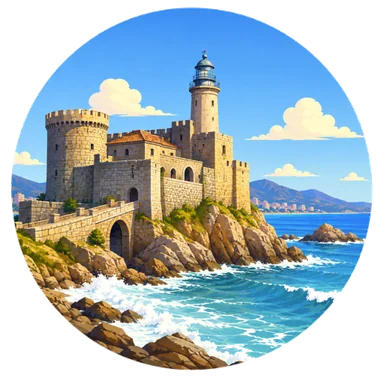
Castillo-faro
The medieval castle with a nineteenth-century lighthouse inside, on the same rock as the church.
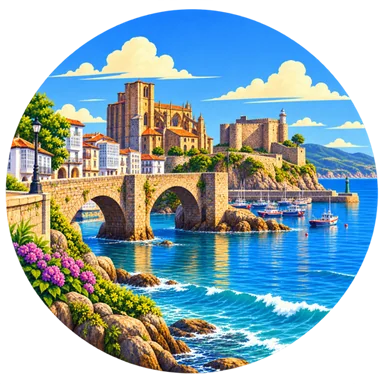
Puente medieval
The single-arch stone bridge that connects the church rock to the mainland.
Where Castro Urdiales comes from
The only Roman colony on the Cantabrian coast
74 AD
Flaviobriga
Vespasian founds a colony there: it is the only one on the Cantabrian coast.
1163
The fuero
Alfonso VIII gives it the fuero: the maritime town is born.
13th–14th century
The church
Santa María is built, the most important Gothic church in Cantabria.
19th century
Iron
The mines in the area and the mining railway make it grow.
Want to learn Spanish by travelling across Spain?
In Aula every lesson is a city lighting up on the map — Castro Urdiales is one of them. Two hundred lessons from A1 to C2, free, starting from your level.
Start from Castro Urdiales →