 Aula· Spain, city by city
Cantabria
Laredo
«Laredo es muy conocido por su larguísima playa de Salvé.»Laredo is very well known for its extremely long Salvé beach.
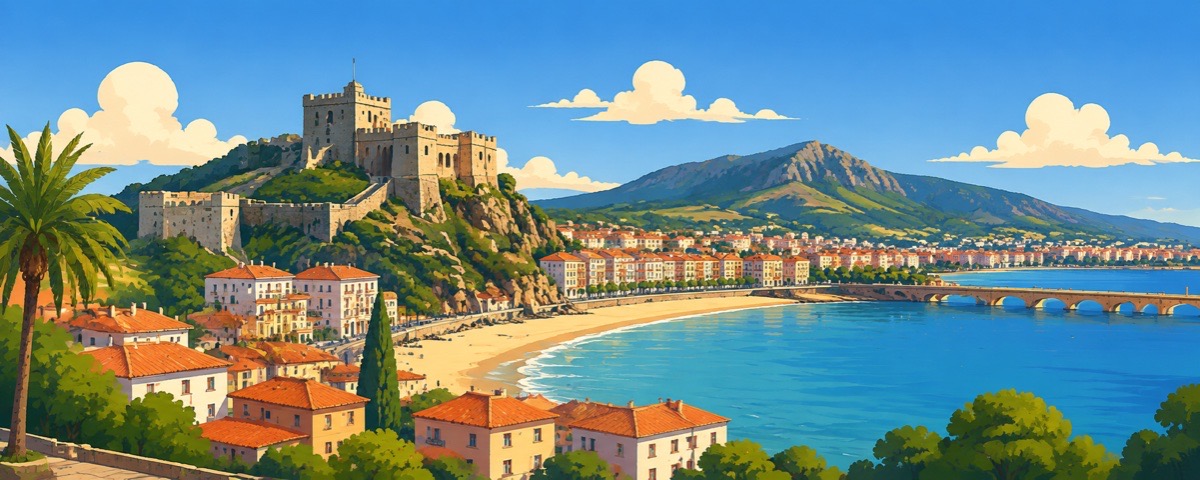
Laredo sits on a peninsula on the eastern coast of Cantabria, with the old town on the hill and five kilometres of beach below. In 1556, Charles V landed here, returning from Flanders to retire to the monastery of Yuste: it was his last time in Spain.
Did you know
Carts covered in fresh flowers.
Every August, it hosts the famous Batalla de Flores, a parade of floats entirely decorated with fresh flowers.
How they talk in Laredo
«Pejino» is the traditional nickname linked to the Cantabrian coast and maritime culture. «Rabas» remains the local term for fried squid.
pindio / pindia
Very steep or inclined. Used especially for an ascent, a road, or terrain with a sharp incline: «una cuesta muy pindia».
Everyday life in Laredo
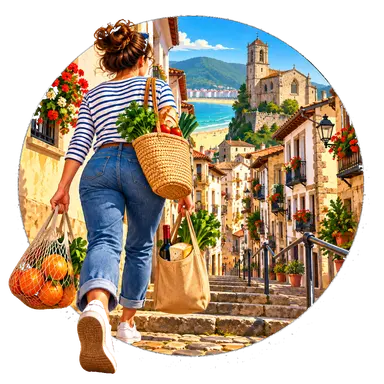
The uphill «Puebla Vieja»
The medieval village climbs from the beach to the church in six parallel streets, all on a slope: the houses are narrow and tall, and you do your shopping thinking about the climb.
«Todo son cuestas.» — It's all uphill.

The «Batalla de Flores» in September
Floats covered in petals parade along the seafront, built by groups of neighbours who work on them for months: at the end, the flowers are thrown at the public and the street remains covered.
«Al final tiran las flores a la gente.» — At the end they throw the flowers at the people.
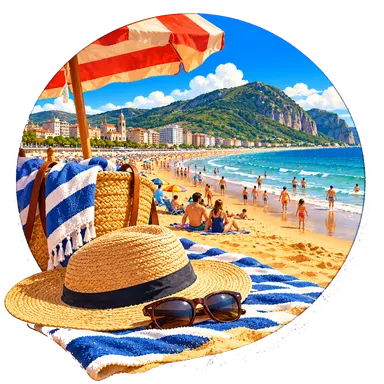
Five kilometres of sand
The Salvé beach is one of the longest in the north, and in summer the city's population multiplies by ten: in winter the same sand is empty and windy.
What to eat in Laredo
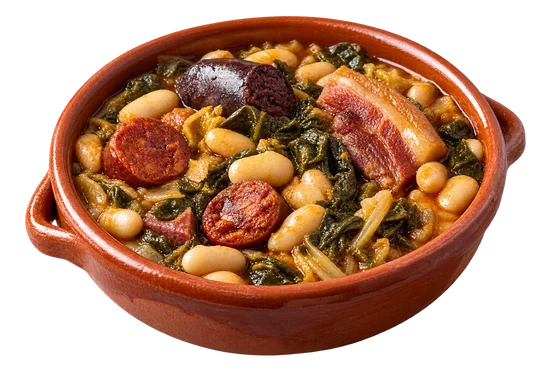
Cocido montañés
White beans and cabbage with chorizo, morcilla and bacon: the thick mountain stew.
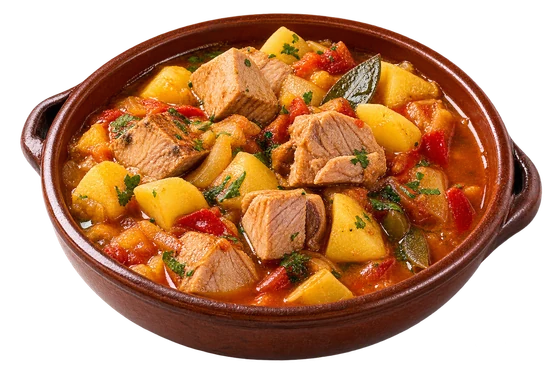
Marmita
Bonito soup with potatoes, onion and peppers, born on the boats of Cantabrian fishermen.
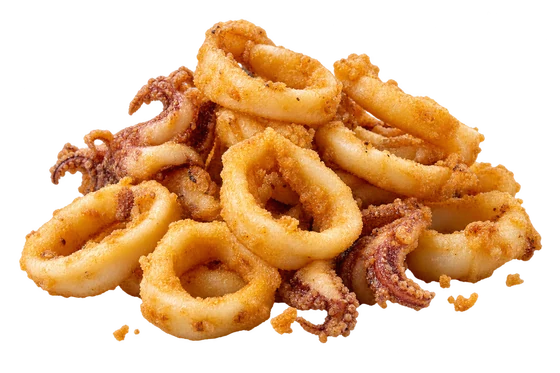
Rabas
Floured and fried squid strips, served in a paper cone.
Festivals in Laredo
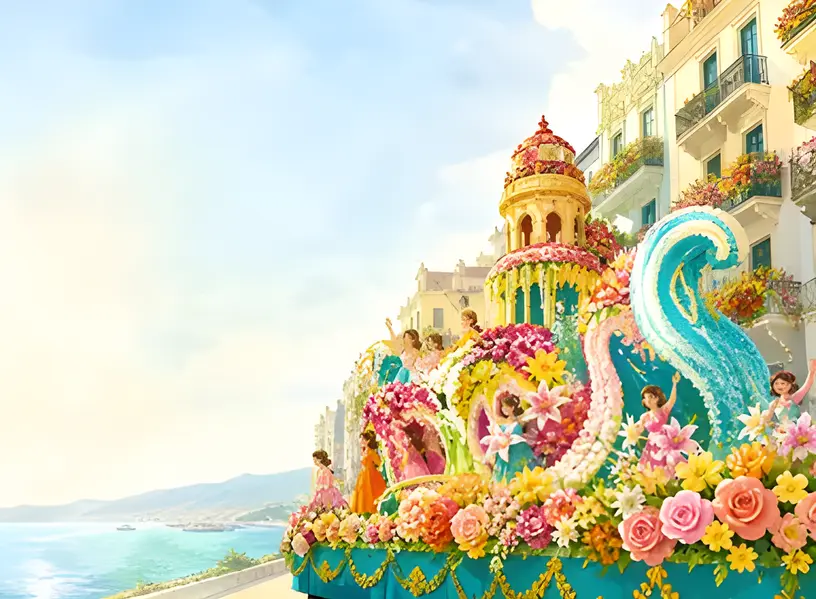
Batalla de Flores
the last Friday of August
The carrozas are covered in real petals, mounted one by one in the days before, and at the end they are dismantled with bare hands.
What to see in Laredo
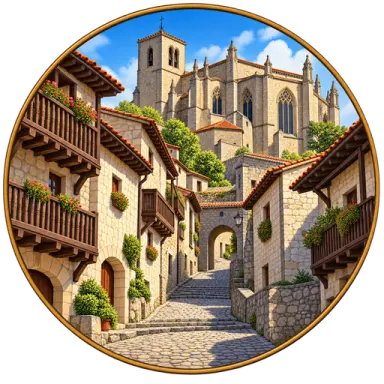
Puebla Vieja
The old medieval town, with six parallel streets going uphill and stone houses.
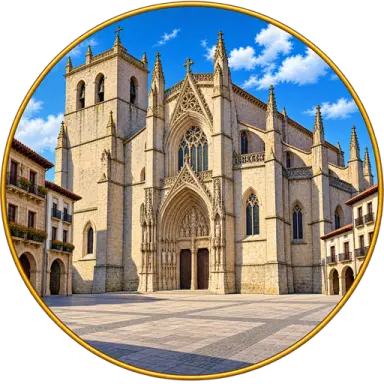
Iglesia de Santa María de la Asunción
A 13th-century Gothic church at the top of the old town, with a Flemish altarpiece.
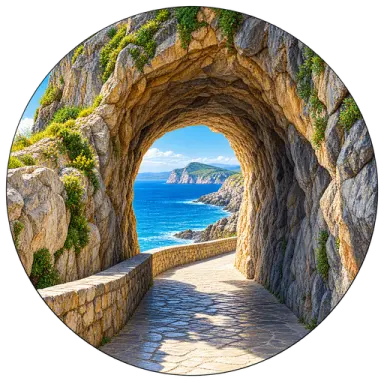
Túnel de la Atalaya
The tunnel hand-dug in 1863 into the rock, to reach the port without crossing the mountain.
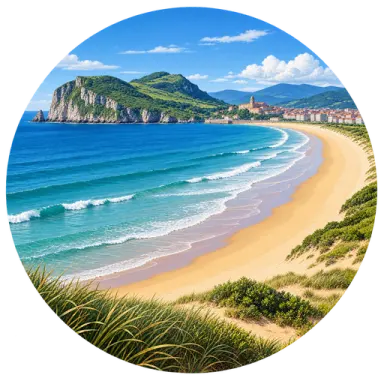
Playa de la Salvé
Five kilometres of sand in a single beach, which doubles the city's population in summer.
Where Laredo comes from
Where Charles V set foot in Spain for the last time
1200
The fuero
Alfonso VIII grants it the fuero: the maritime town is born under the Atalaya.
15th–16th century
The port
It is one of the main ports of the Cantabrian coast, with shipyards and the fleet.
1556
Charles V
The emperor lands here returning from Flanders, to retire to the monastery of Yuste: it is his last time in Spain.
20th century → today
The beach
The five kilometres of sand of the Salvé make the city a tourist centre.
Want to learn Spanish by travelling across Spain?
In Aula every lesson is a city lighting up on the map — Laredo is one of them. Two hundred lessons from A1 to C2, free, starting from your level.
Start from Laredo →