 Aula· Spain, city by city
Cantabria
Santander
«Santander tiene el famoso Palacio de la Magdalena en la costa.»Santander has the famous Palacio de la Magdalena on the coast.
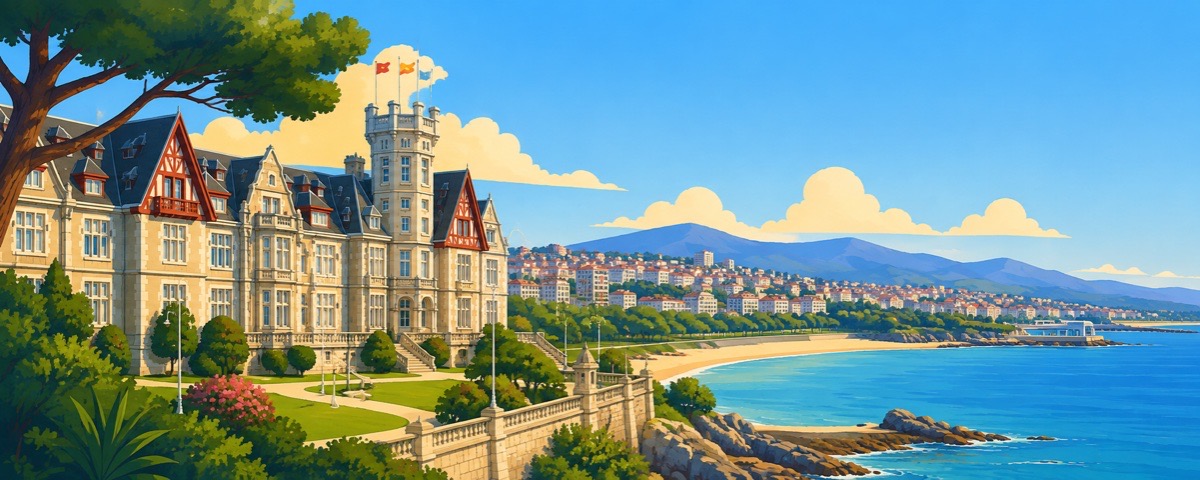
Coastal capital of Cantabria overlooking a large natural bay. It combines historic noble districts, urban beaches and a lively maritime tradition.
Did you know
Almost entirely burnt in 1941.
The city was almost entirely destroyed by a great fire in 1941, but it has completely renewed itself.
How they talk in Santander
«Rabas» is the local word to know: elsewhere you would more easily say «calamares». The Cantabrian suffix «-uco/-uca» appears in affectionate words and diminutives of the regional spoken language.
pindio / pindia
Very steep or inclined. Used especially for an ascent, a road, or terrain with a sharp incline: «una cuesta muy pindia».
Everyday life in Santander
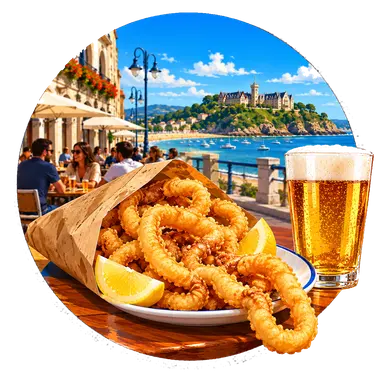
«Rabas» as an aperitif
Breaded and fried squid rings, served in a paper cone or on a plate to share: they are automatically ordered with beer, and every bar in the centre claims to make them best.
«Una ración de rabas, por favor.» — A portion of fried squid, please.
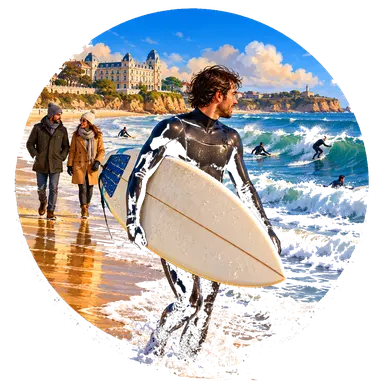
The «Sardinero» in winter
The city's large beach is used all year round: you walk on the shoreline in a coat, and surfers are in the water in January with rough seas.
«Bajamos a andar por la playa.» — We are going down to walk on the beach.
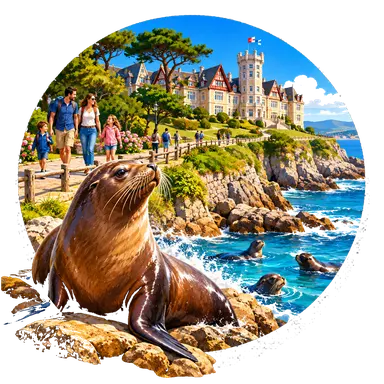
The «Palacio de la Magdalena» as a park
The royal residence on the headland is open to everyone: you can walk around the peninsula, there are sea lions and families spend their Sundays there.
«Damos la vuelta a la península.» — We are going around the peninsula.
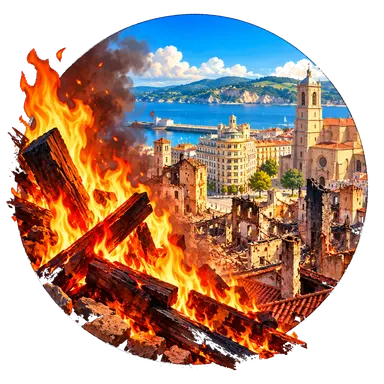
The 1941 fire can still be seen
A fire fanned by the south wind burned almost the entire old city in two days: this is why the centre is made of 1940s buildings, and the cathedral was rebuilt.
«Casi todo el centro se quemó.» — Almost the entire centre burned down.
What to eat in Santander
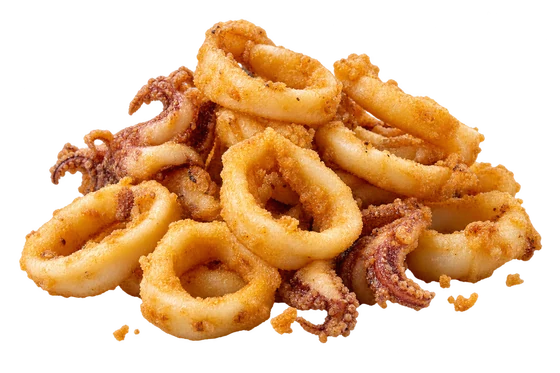
Rabas
Floured and fried squid rings and strips, served in a paper cone with lemon.
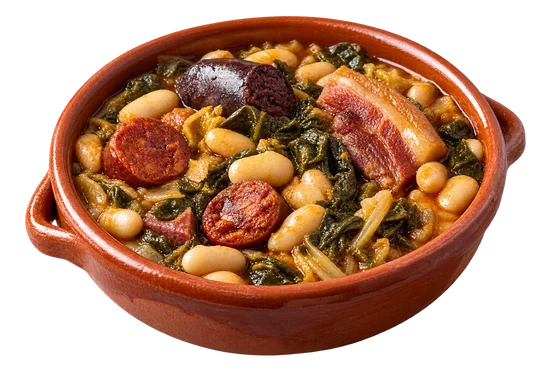
Cocido montañés
White beans and cabbage with chorizo, morcilla and bacon: the mountain stew, thick.
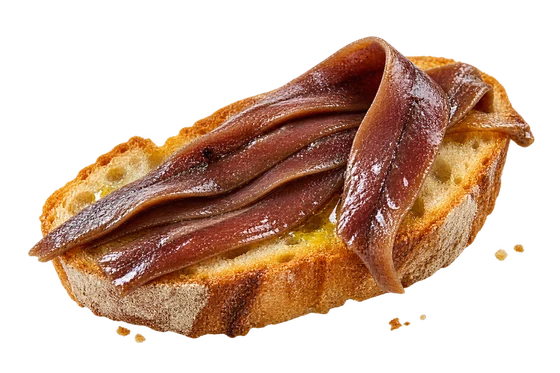
Anchoas de Santoña
Anchovies salted and cleaned by hand one by one, preserved in oil. They are eaten on their own, on bread.
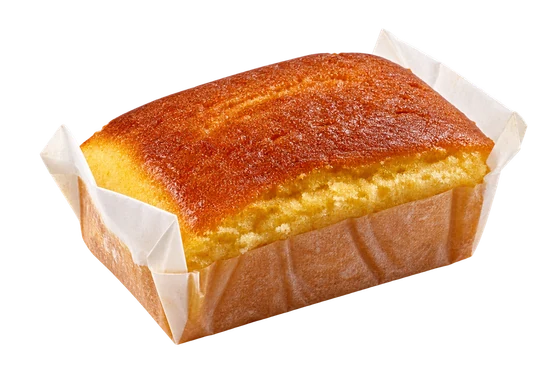
Sobaos pasiegos
Butter sponge cake squares, soft and tall, baked in a paper tray.
Festivals in Santander
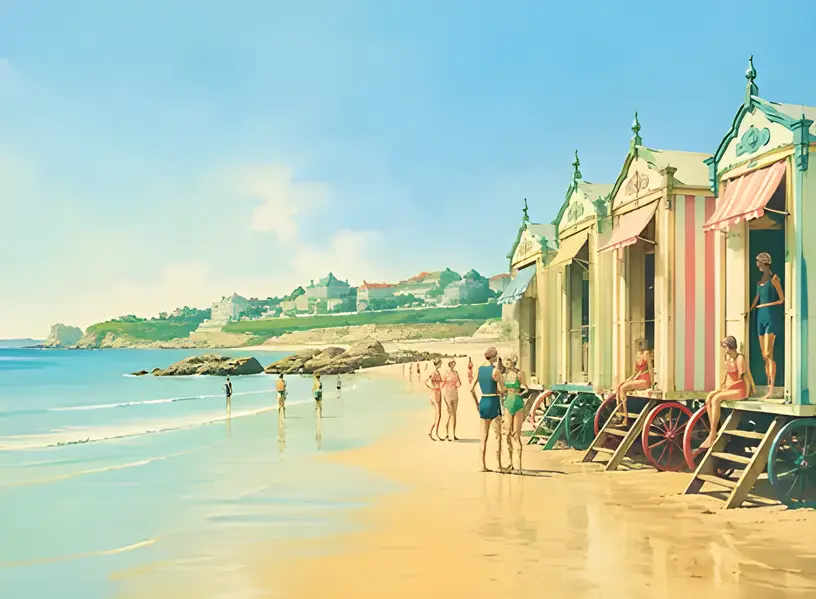
Baños de Ola
in July
People bathe in the sea like in the 19th century, with striped costumes and wooden cabins on the Sardinero: the city remembers when it was the beach of kings.
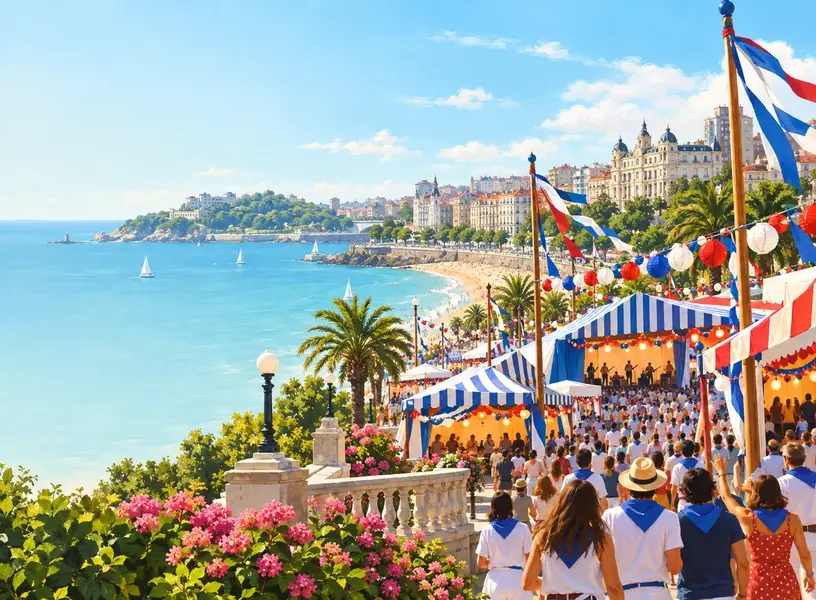
Semana Grande
the last week of July
The casetas and peñas fill the centre and the Sardinero, and the city moves into the street for a week.
What to see in Santander
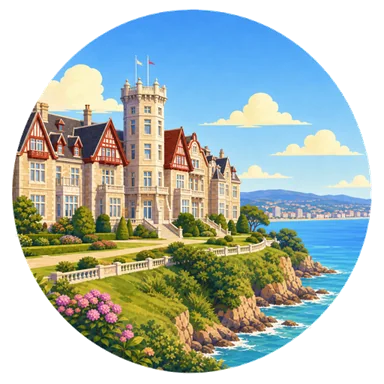
Palacio de la Magdalena
The 1912 palace on a peninsula surrounded by the sea on three sides, a gift from the city to the king.
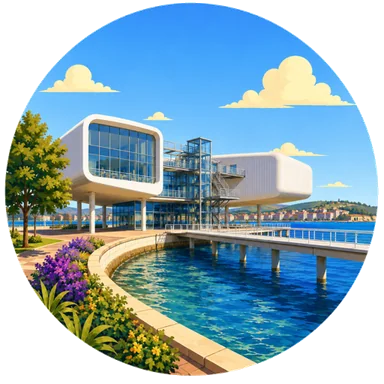
Centro Botín
Renzo Piano's 2017 building, two volumes suspended over the water covered in ceramic discs.
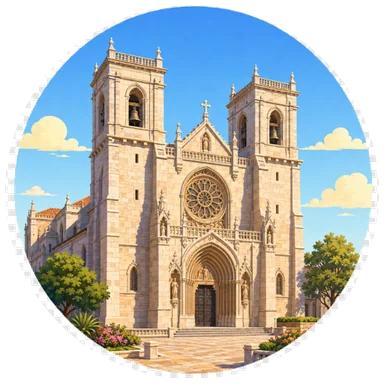
Catedral de Santander
Two churches one on top of the other, and under both of them the remains of the Roman port.
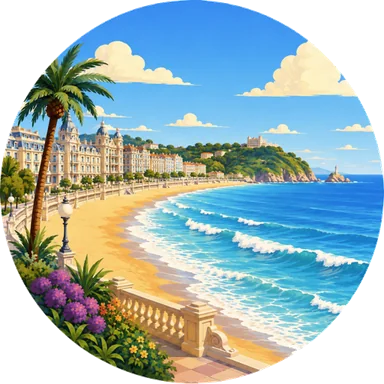
El Sardinero
The two city beaches, divided by the Piquío point, with the casino and the belle époque villas.
Where Santander comes from
The beach of kings
Roman era
Portus Victoriae
Roman port in the bay, a stop on the route towards the north of the peninsula.
12th century
Sant Emeter
The name comes from the saint Emeterio, corrupted from century to century until «Santander».
19th century
The port
Castilian flour and trade with America make the city grow.
1913–1930
The court
Alfonso XIII spends his summers at the Magdalena: Santander becomes the beach of the court.
1941
The fire
A fire burns the medieval centre in two days, and the city is rebuilt from scratch.
Want to learn Spanish by travelling across Spain?
In Aula every lesson is a city lighting up on the map — Santander is one of them. Two hundred lessons from A1 to C2, free, starting from your level.
Start from Santander →