 Aula· Spain, city by city
Castilla-La Mancha
Ciudad Real
«Ciudad Real destaca por la hermosa iglesia de Santiago.»Ciudad Real stands out for the beautiful church of Santiago.
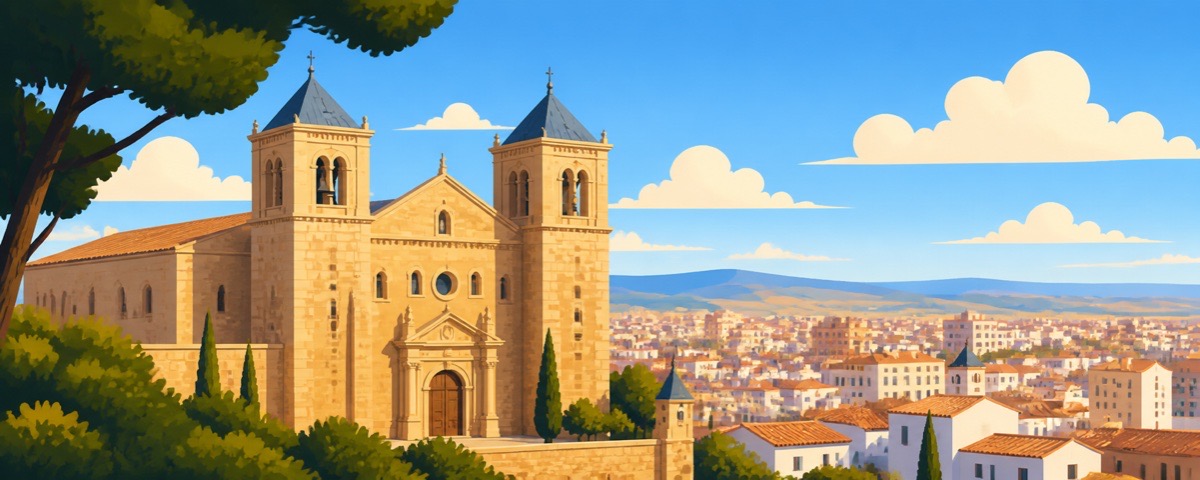
Ciudad Real was founded by Alfonso X in 1255 in the middle of the La Mancha plain, to strip power from the Order of Calatrava. It is a city with a regular layout, no surrounding hills and few remaining medieval traces — the Puerta de Toledo above all — and it has been the capital of its province since 1833.
Did you know
A Mudejar gate remains.
The city still preserves one of the medieval access gates in red brick in the Mudejar style.
How they talk in Ciudad Real
The local Castilian is close to the Manchego standard, with rural vocabulary still present in families in the province. «Pisto» and «migas» are everyday words that indicate very precise dishes, not generic categories.
ea
Yes; sure; alright, in addition to general hortatory values. In Manchego speech it can confirm what the interlocutor has said or conclude a decision; the precise value depends on the intonation.
Everyday life in Ciudad Real

Fifty minutes from Madrid
High-speed rail has arrived here since 1992 and has changed daily life: you can work in Madrid and have dinner at home. Many have a season ticket and take the train like taking the underground.
«En cincuenta minutos estoy en Madrid.» — In fifty minutes I am in Madrid.
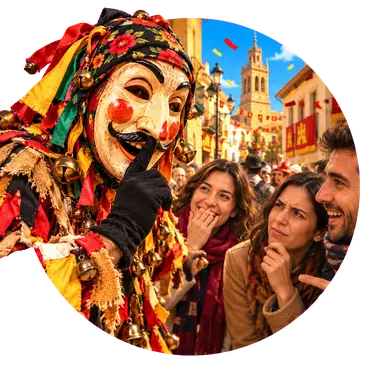
The carnival of the «máscaras callejeras»
In February, the city fills with street masks that do not parade: they wander among the people, recognise you and talk to you by changing their voice. The game is to guess who is underneath, and you almost never succeed.
«¿A que no sabes quién soy?» — I bet you don't know who I am?

The «Tablas» half an hour away
The Tablas de Daimiel, where the rivers widen into marshes full of birds, are the Sunday trip: you go with binoculars and return for lunch.
What to eat in Ciudad Real
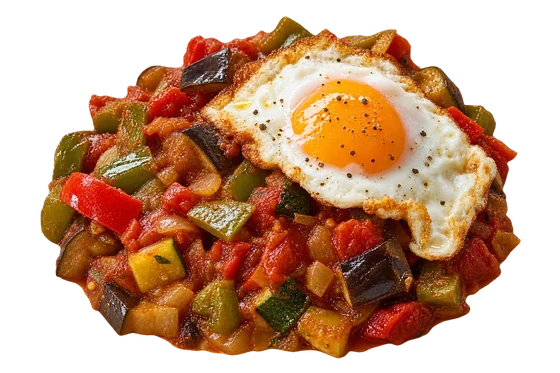
Pisto manchego
Peppers, tomato, courgettes and onion stewed slowly in oil, with an egg on top.
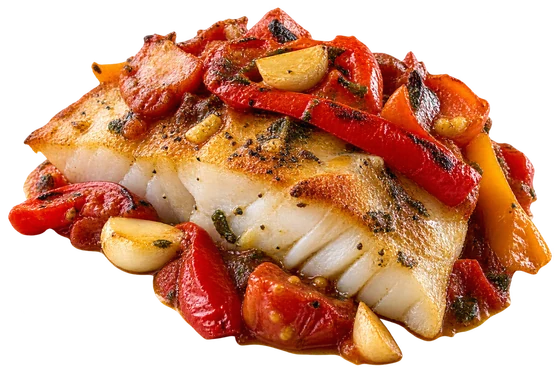
Tiznao
Shredded salt cod with potatoes and dried peppers roasted on the embers, which give it its name.
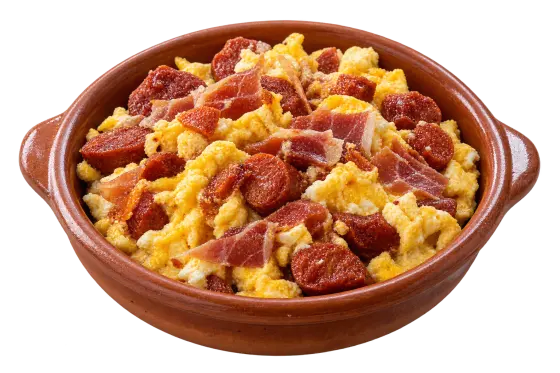
Duelos y quebrantos
Scrambled eggs with chorizo and ham: it is the dish that Don Quixote ate on Saturdays.
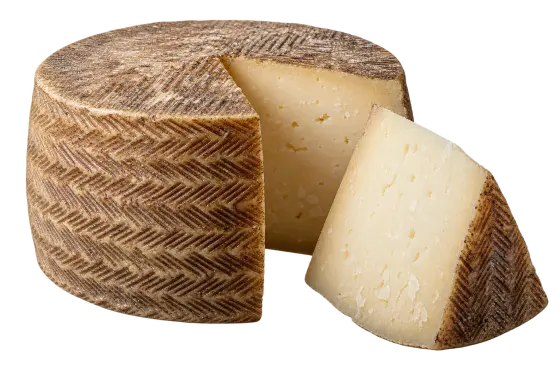
Queso manchego
The pecorino from La Mancha, with a herringbone rind, aged from three months to a year.
Festivals in Ciudad Real
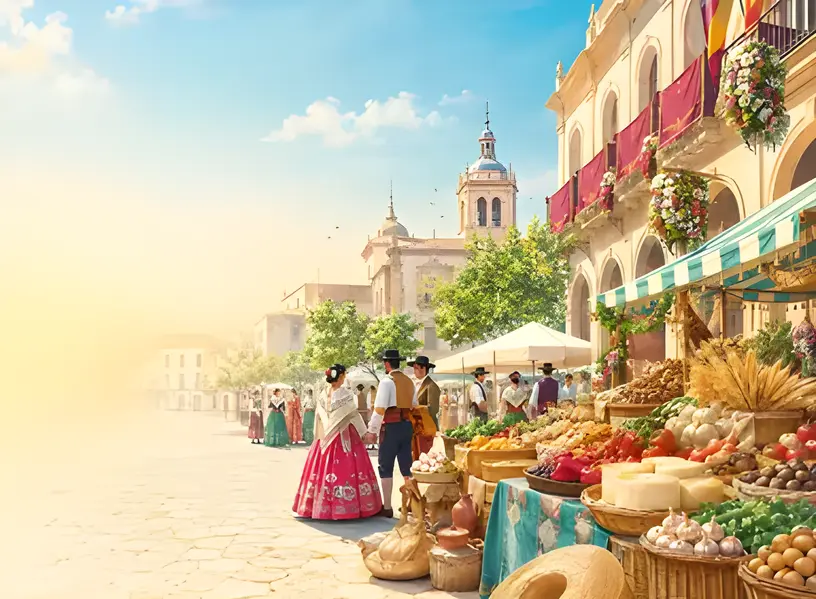
La Pandorga
31 July
The «Pandorgo» and the «Dulcinea» lead the offering to the Virgen del Prado, with a floral handkerchief around their necks and gazpacho distributed in the square.
What to see in Ciudad Real
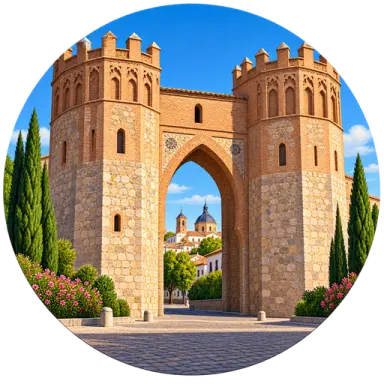
Puerta de Toledo
The only one of the seven gates of the medieval wall left standing, from 1328.
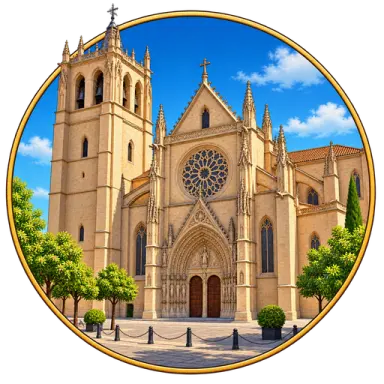
Catedral de Santa María del Prado
Gothic cathedral with a single nave eighteen metres wide, without columns in the middle.
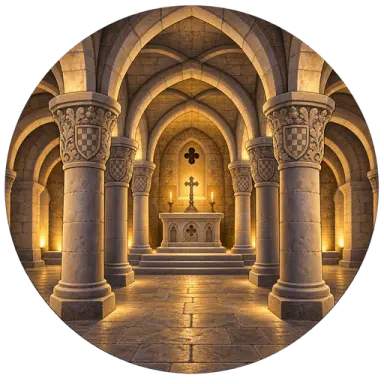
Museo del Quijote
The museum of the novel, with the Cervantine library and a theatrical journey through its scenes.
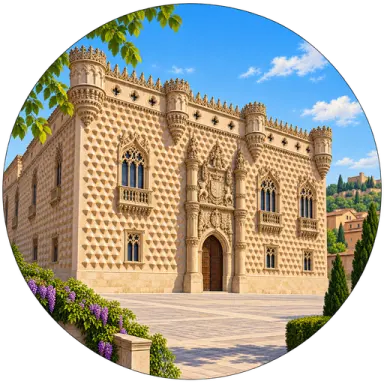
Plaza Mayor
The arcaded square, with the Neo-Gothic town hall and the clock from which Don Quixote and Sancho emerge.
Where Ciudad Real comes from
A city founded from scratch
Iberian era
Alarcos
On the hill next door, an Iberian oppidum and later the field of the battle of 1195.
1255
Villa Real
Alfonso X founded it from scratch, to act as a counterweight to the Order of Calatrava.
1420
Ciudad Real
John II gave it the title of city, and from there the name it bears today.
1833 → today
The capital
With the provincial division it became the capital, and the railway linked it to Madrid.
Want to learn Spanish by travelling across Spain?
In Aula every lesson is a city lighting up on the map — Ciudad Real is one of them. Two hundred lessons from A1 to C2, free, starting from your level.
Start from Ciudad Real →