 Aula· Spain, city by city
Castilla-La Mancha
Puertollano
«Puertollano destaca por su importante industria petroquímica y minera.»Puertollano stands out for its important petrochemical and mining industry.
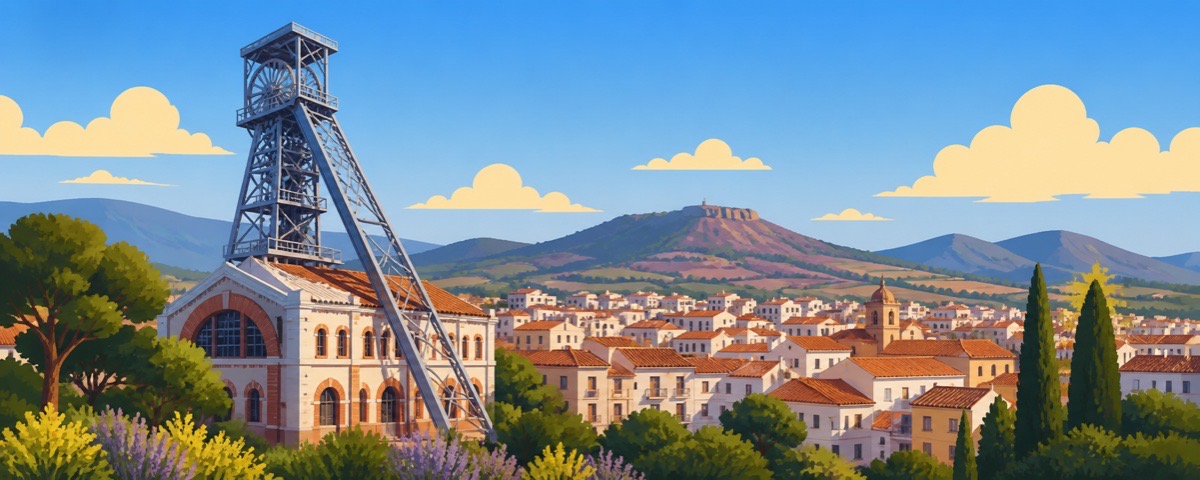
Puertollano is located in the south of the province of Ciudad Real, at the foot of the Sierra Morena, in a valley that was a large coal basin. The modern city was born from the mines opened in the 19th century and was later reorganised around the petrochemical complex, which still remains its main industry today.
Did you know
Sparkling water flows in the square.
The famous Fuente Agria naturally dispenses ferruginous and carbonated water in the heart of the city centre.
How they talk in Puertollano
«Fuente Agria» is not just a place name: the ferruginous water has given the city a lexicon and a collective memory linked to the spring. The mining past survives in words like «mina», «pozo» and «carbonero» used in family stories.
ea
Yes; sure; alright, in addition to general hortatory values. In Manchego speech it can confirm what the interlocutor has said or conclude a decision; the precise value depends on the intonation.
Everyday life in Puertollano
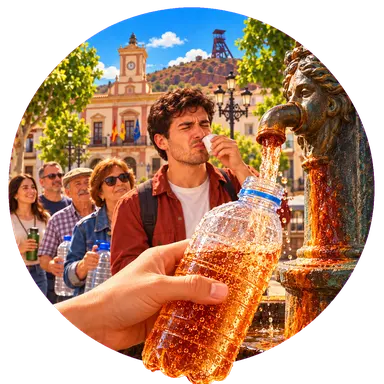
The «Fuente Agria» in the middle of the square
Since 1600, ferruginous and naturally sparkling water has been flowing in the centre: people arrive with plastic bottles and queue up. It has a metallic taste and those born here find it normal.
«El agua sale con gas.» — The water comes out sparkling.
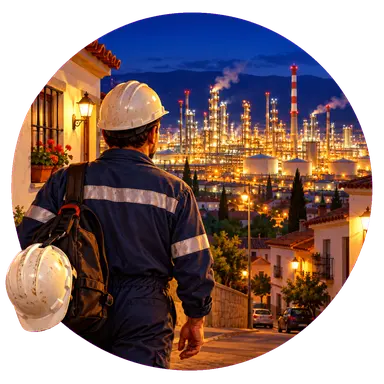
The «refinería» lit up at night
The petrochemical complex on the edge of the city is the main employer and at night it is lit up like a separate city. The landscape of the place is that, and you live with it.
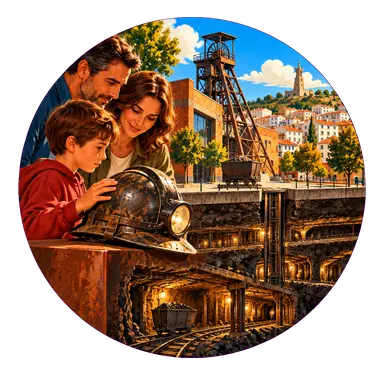
The «pozos» under the neighbourhoods
Puertollano grew on coal, and the shafts left galleries under the neighbourhoods and a mining museum on the surface. Many families have had a miner.
What to eat in Puertollano
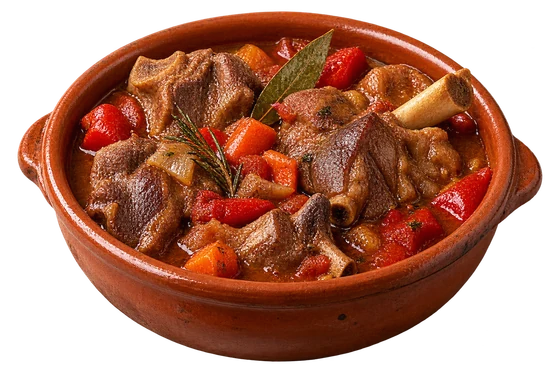
Caldereta de cordero
Lamb stewed with dried peppers and wine, cooked slowly.
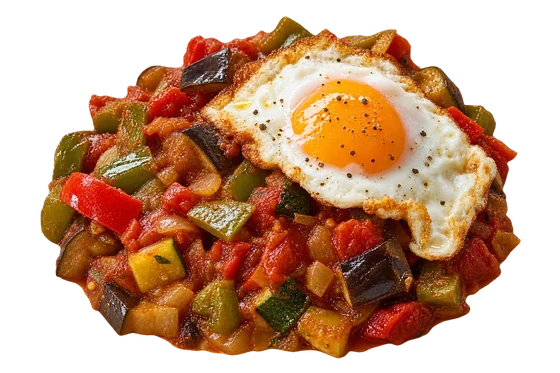
Pisto manchego
Summer vegetables stewed in oil, with an egg on top.
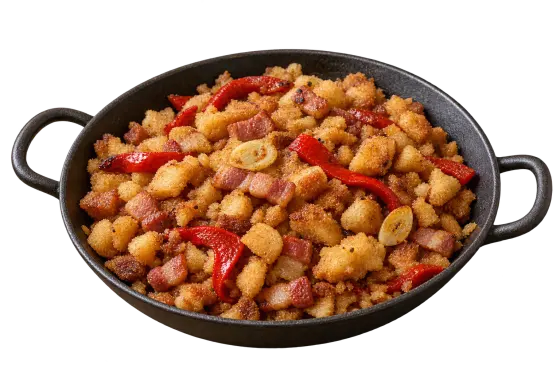
Migas
Stale bread soaked and sautéed with garlic, bacon and peppers.
Festivals in Puertollano
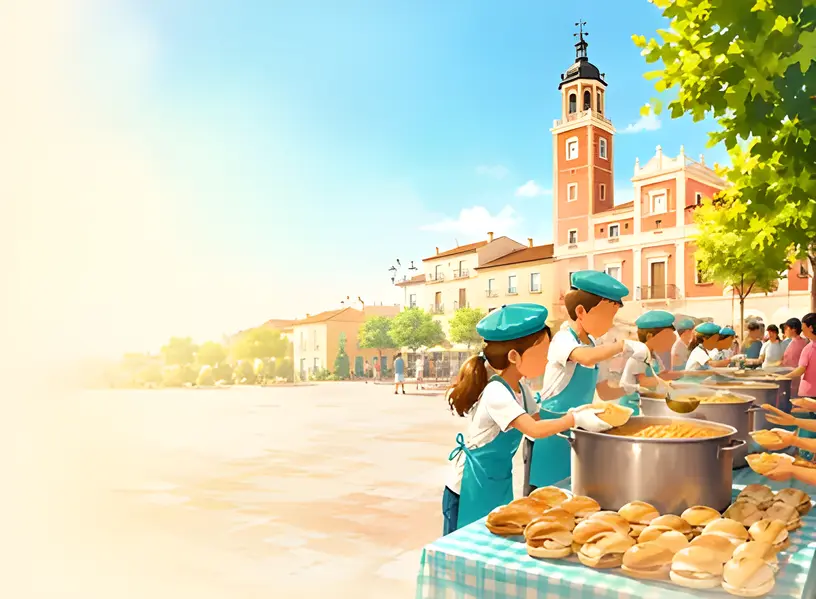
Santo Voto
the Thursday after Pentecost
Huge pots of stew are cooked in the square and distributed to everyone: it is a vow made in the 17th century and never interrupted.
What to see in Puertollano
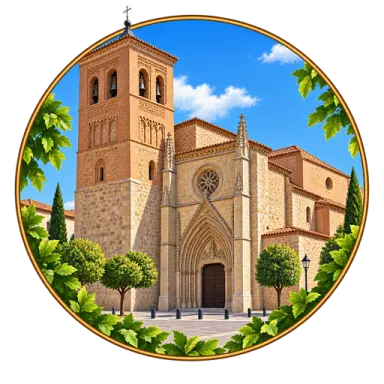
Museo de la Minería
The coal museum, with a full-scale reconstructed gallery that you can walk through.
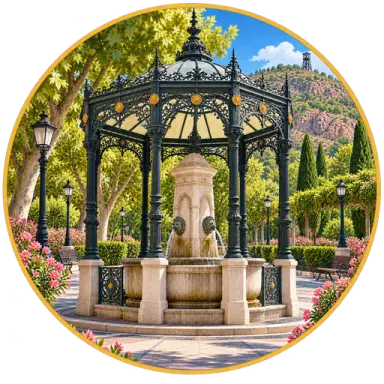
Fuente Agria
The spring of ferruginous and naturally sparkling water, at the end of the Paseo de San Gregorio.
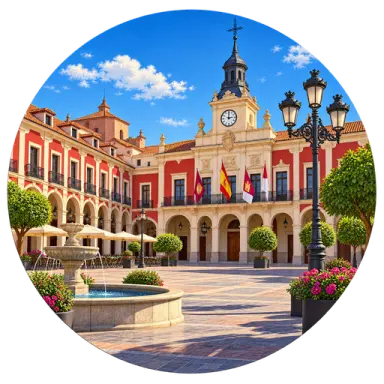
Monumento al Minero
The figure of the miner by Pepe Noja, on the main avenue.
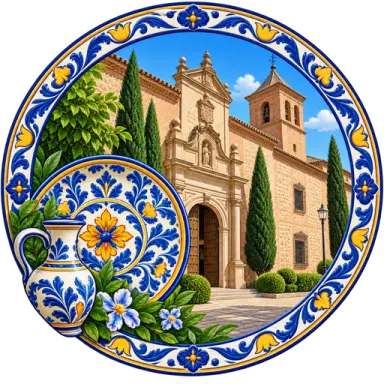
Paseo de San Gregorio
The avenue on which the city was built: almost a kilometre straight, with plane trees.
Where Puertollano comes from
Built on coal
Roman era
The road
Area of passage between the Meseta and the Sierra Morena, without an important centre.
13th century
Puerto Plano
Born as a village on the road: the name means «flat pass».
1873 → 1960
Coal
The discovery of the coal basin transforms it in a few decades into an industrial city.
1950 → today
The refinery
The petrochemical complex takes the place of the mines and still supports the economy.
Want to learn Spanish by travelling across Spain?
In Aula every lesson is a city lighting up on the map — Puertollano is one of them. Two hundred lessons from A1 to C2, free, starting from your level.
Start from Puertollano →