 Aula· Spain, city by city
Castilla-La Mancha
Valdepeñas
«Valdepeñas es famosa por su vino tinto con denominación.»Valdepeñas is famous for its red wine with designation of origin.
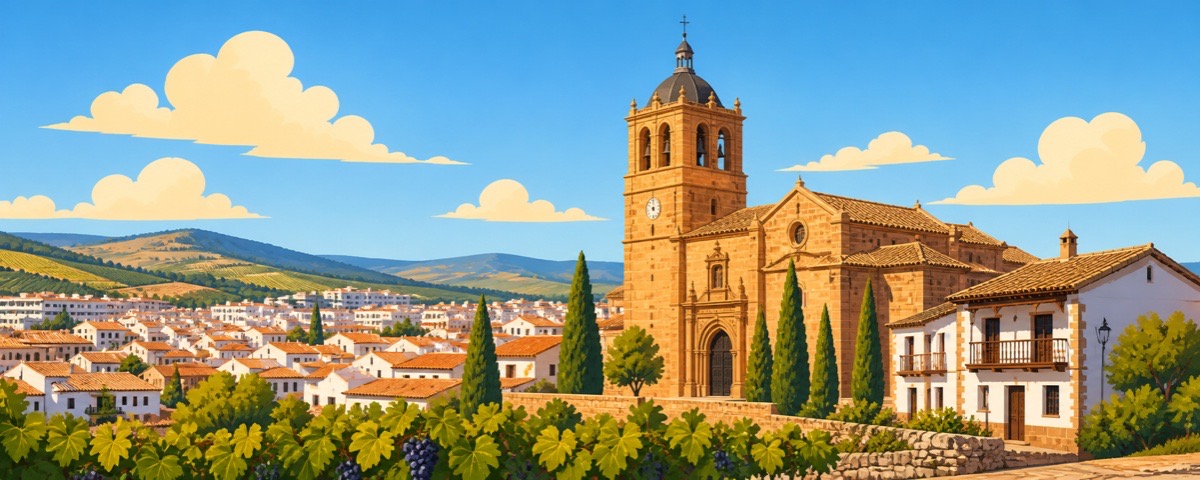
Valdepeñas is in the south of the province of Ciudad Real, where the La Mancha plain meets the first hills of the Sierra Morena. Wine is the centre of everything: the designation of origin is among the oldest in Spain, and the city has dedicated the fountain in the main square and a museum housed inside a winery to it.
Did you know
Wine travelled inside the tinajas.
Valdepeñas wine was once transported to Madrid inside large terracotta jars called tinajas.
How they talk in Valdepeñas
«Tiznao» is a typical gastronomic name from La Mancha for a dish of salt cod and roasted vegetables. «Bodega» here often indicates family production businesses or cooperatives linked directly to the surrounding vineyards.
ea
Yes; sure; alright, in addition to general hortatory values. In Manchego speech it can confirm what the interlocutor has said or conclude a decision; the precise value depends on the intonation.
Everyday life in Valdepeñas
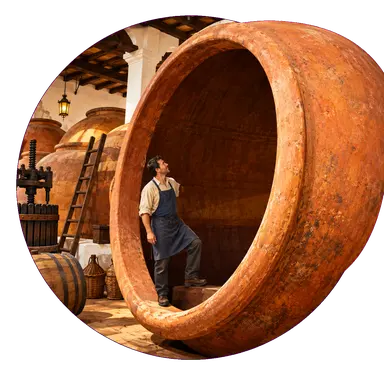
The «tinajas» as big as rooms
The terracotta jars in which wine was made are three metres high, and now they are in roundabouts, in front of cellars and inside museums. You used to go inside them to clean them.
«El vino se hacía en tinajas.» — The wine was made in tinajas.
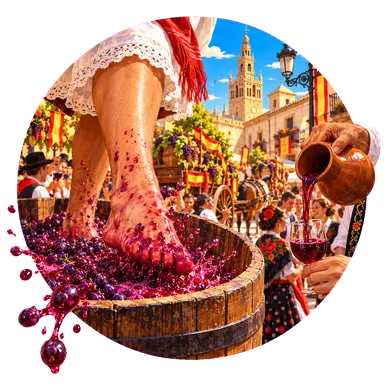
The «Fiesta del Vino» in September
Grapes are pressed in the square, free wine is offered to people and there is a parade with carts: the festival has existed since 1948 and it is the week when the town does not work.
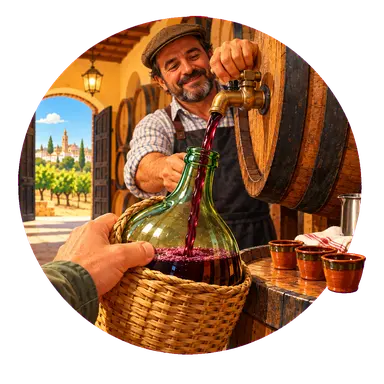
The «bodegas» open all year round
Around the town there are dozens of bodegas that open their doors: you can see the barrel, taste and buy loose wine by bringing your own demijohn from home.
«¿Se puede visitar la bodega?» — Can you visit the cellar?
What to eat in Valdepeñas
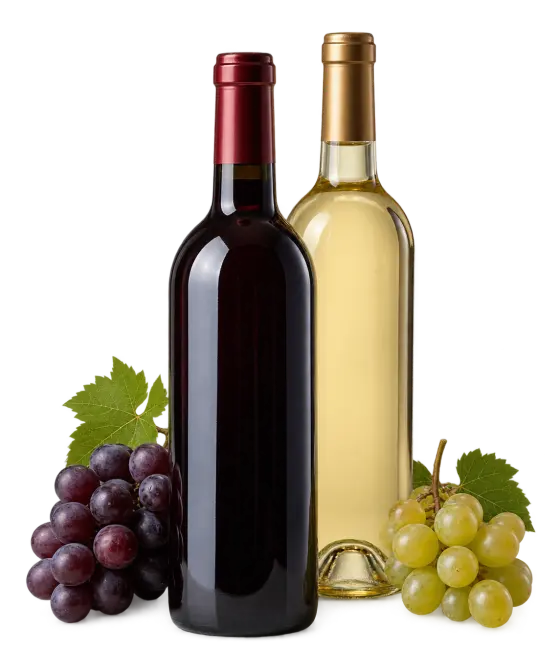
Vino de Valdepeñas
Tempranillo red, or white «airén»: the denomination is one of the oldest in Spain.
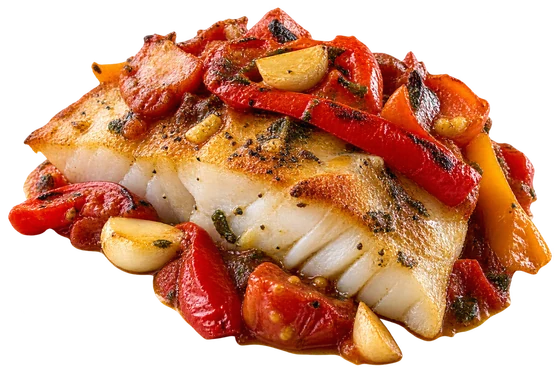
Tiznao
Salt cod with potatoes and dried peppers roasted on the embers, which give it its colour and name.
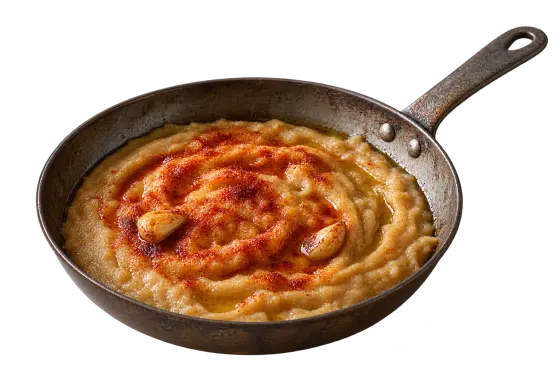
Gachas
Grass pea flour with oil, garlic and paprika, eaten from the pan with a spoon.
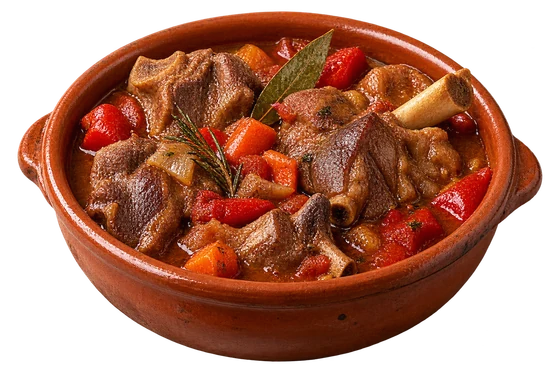
Caldereta de cordero
Lamb stewed slowly with dried peppers, garlic and local wine.
Festivals in Valdepeñas
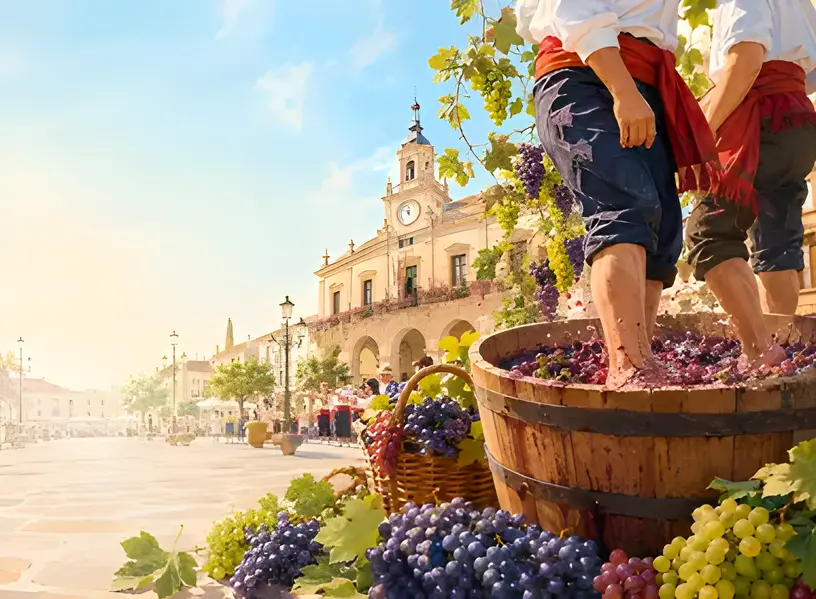
Fiestas de la Vendimia y el Vino
from 1 to 8 September
Grapes are pressed in Plaza de España, the first must is offered and the town stops working for a week.
What to see in Valdepeñas
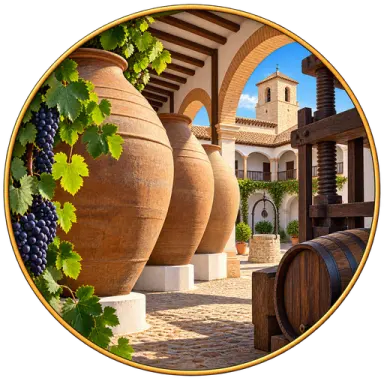
Museo del Vino
A real bodega that stopped working and opened its doors, with the tinajas and tools.
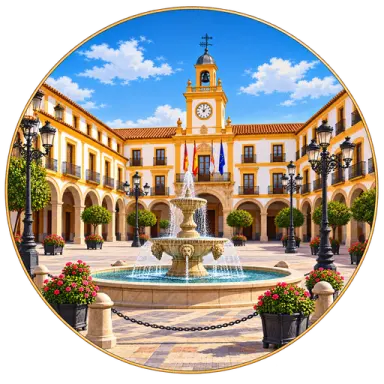
Plaza de España
The porticoed square, with the fountain that reproduces a wine press.
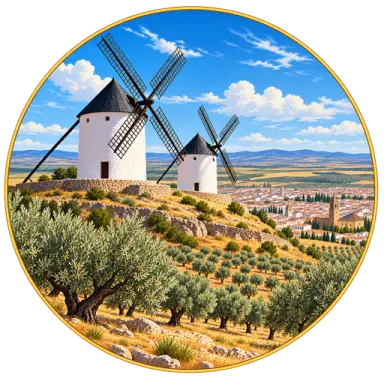
Molinos de Gregorio Prieto
The two windmills on the hill above the town, with the sails still mounted.
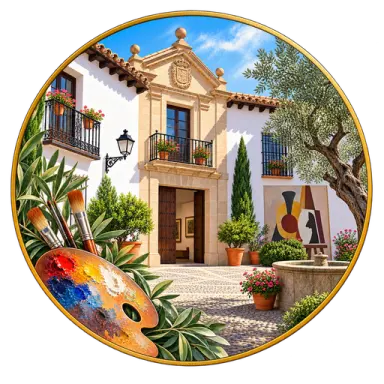
Museo Gregorio Prieto
The drawings and paintings of the painter born here, together with his letters to the poets of the '27 generation.
Where Valdepeñas comes from
The valley of stones and wine
Roman era
The villas
Roman agricultural villas in the plain, with facilities for making wine even then.
13th century
Val de Peñas
Village of the Order of Calatrava at the foot of the hills: the name means «valley of stones».
19th century
The railway
The train to Madrid opens up the market: the wine reaches the capital in a day.
1932 → today
The denomination
The D.O. Valdepeñas is among the oldest in Spain and still sustains the town.
Want to learn Spanish by travelling across Spain?
In Aula every lesson is a city lighting up on the map — Valdepeñas is one of them. Two hundred lessons from A1 to C2, free, starting from your level.
Start from Valdepeñas →