 Aula· Spain, city by city
Castilla y León
Medina del Campo
«Medina del Campo destaca por su impresionante castillo de la Mota.»Medina del Campo stands out for its impressive Castillo de la Mota.
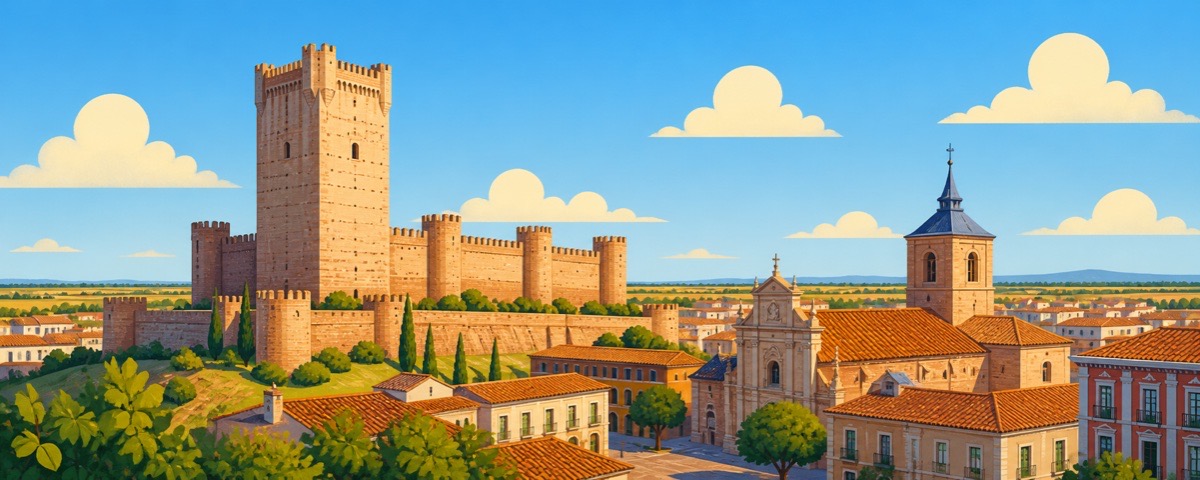
Medina del Campo is located in the plain south of Valladolid and was, between the fifteenth and sixteenth centuries, the seat of the most important trade fairs in Europe, where currency exchange rates were set. It preserves the brick castle where Isabella the Catholic died and one of the largest arcaded squares in Spain.
Did you know
Isabella dictated her will here.
Queen Isabella of Castile died in its palace in 1504, after having dictated her famous will.
How they talk in Medina del Campo
«Mota» indicates the hill on which the castle stands and gives its name to the main monument. The history of the great commercial «ferias» of the 15th-16th century survives in the vocabulary and identity of the city.
Everyday life in Medina del Campo
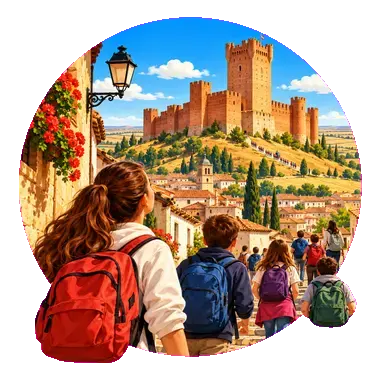
The red «Castillo de la Mota»
The brick fortress stands above the town and can be seen from afar on the plain: you walk up from the centre, and school groups from half of Castile go there on trips.
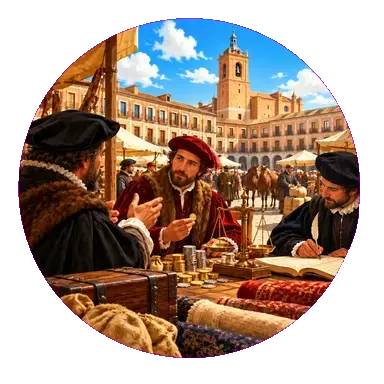
The fairs that moved Europe
In the sixteenth century, financial fairs were held here where the prices of the continent were decided: the Plaza Mayor is large for that reason, and now the market is held there.
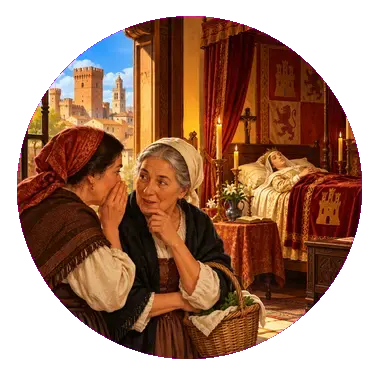
Isabella died in this house
The Catholic queen died in the royal testamentary palace, in the centre, and the room can be visited: in town, she is mentioned as one would mention a neighbour.
«Aquí dictó su testamento.» — Here she dictated her will.
What to eat in Medina del Campo
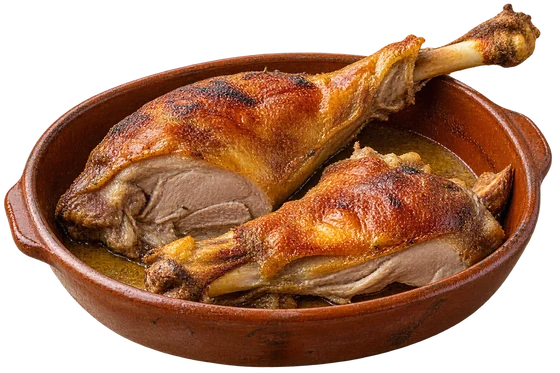
Lechazo asado
Milk-fed lamb in a wood-fired oven, in an earthenware dish.
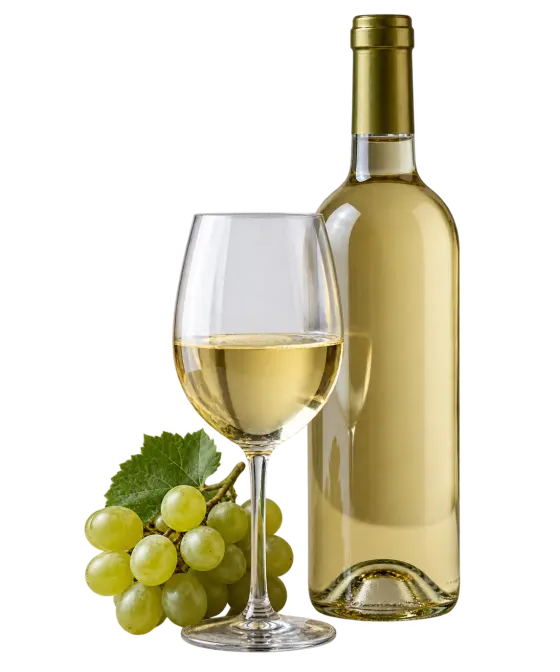
Vino de Rueda
White wine from Verdejo grapes from the vineyards right here: fresh, with a bitter edge.
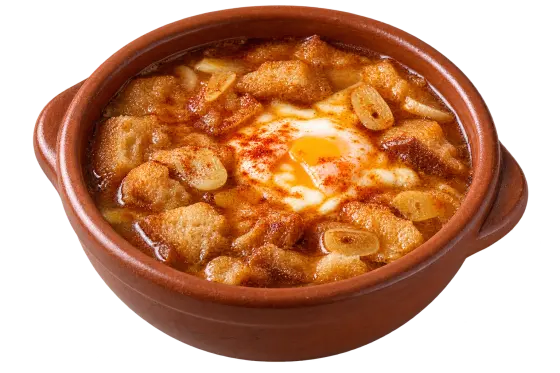
Sopa castellana
Bread, garlic, paprika and broth, with an egg broken inside.
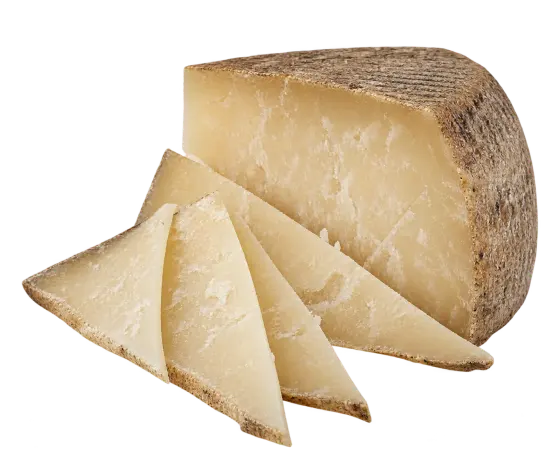
Queso de oveja curado
Cured Castilian sheep's milk cheese, cut into thin triangles.
Festivals in Medina del Campo
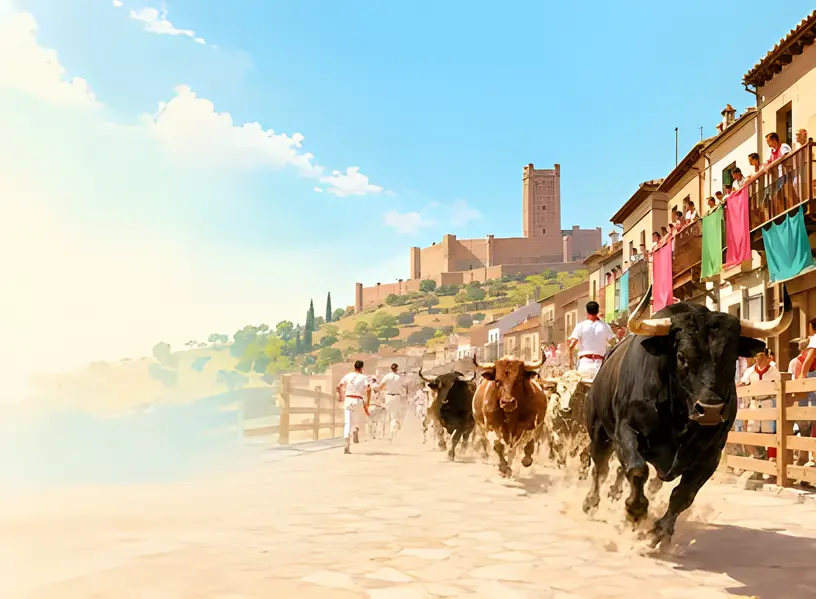
Fiestas de San Antolín
between the end of August and the beginning of September
The encierros are run on horseback, in the old way, and end in the Plaza Mayor which once hosted the fairs of Europe.
What to see in Medina del Campo
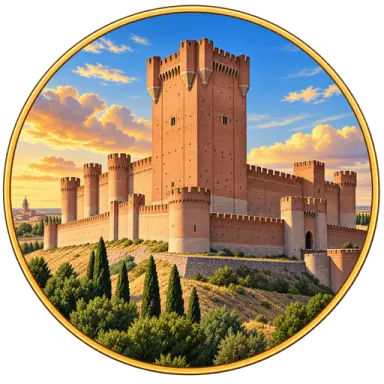
Castillo de la Mota
15th-century red brick castle, with a double wall and a well thirty metres deep.
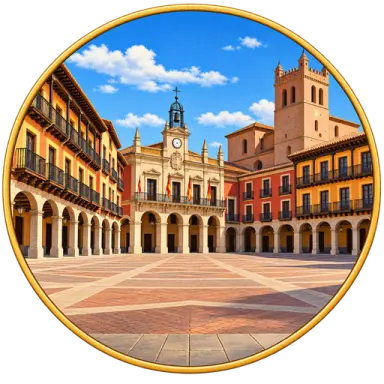
Plaza Mayor de la Hispanidad
One of the largest squares in Spain: it was the place where European currency exchanges were established.
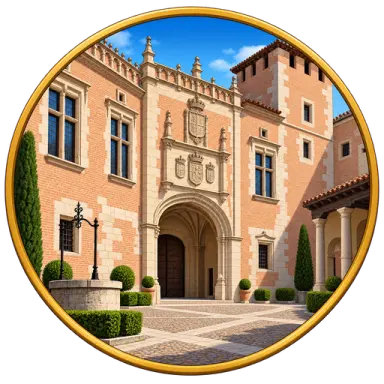
Palacio Real Testamentario
The house where Isabella the Catholic died in 1504 and dictated her will.
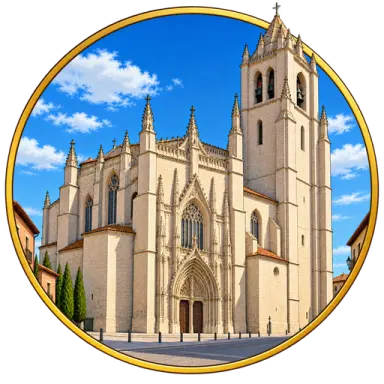
Colegiata de San Antolín
The Gothic church on the square, with the chapels of merchant families.
Where Medina del Campo comes from
Here the exchange rates of Europe were fixed
11th century
The market
It was born as a market on the plain between the Duero and the Tormes.
15th–16th century
The fairs
Its fairs are among the most important in Europe: here the currency exchange rates are established.
1504
Isabella
Isabella the Catholic dies in the city's palace and dictates her will there.
17th century → today
The decline
The fairs move elsewhere and the city returns to being agricultural.
Want to learn Spanish by travelling across Spain?
In Aula every lesson is a city lighting up on the map — Medina del Campo is one of them. Two hundred lessons from A1 to C2, free, starting from your level.
Start from Medina del Campo →