 Aula· Spain, city by city
Cataluña
Cadaqués
«Cadaqués es un pueblo blanco donde vivió el pintor Salvador Dalí.»Cadaqués is a white village where the painter Salvador Dalí lived.
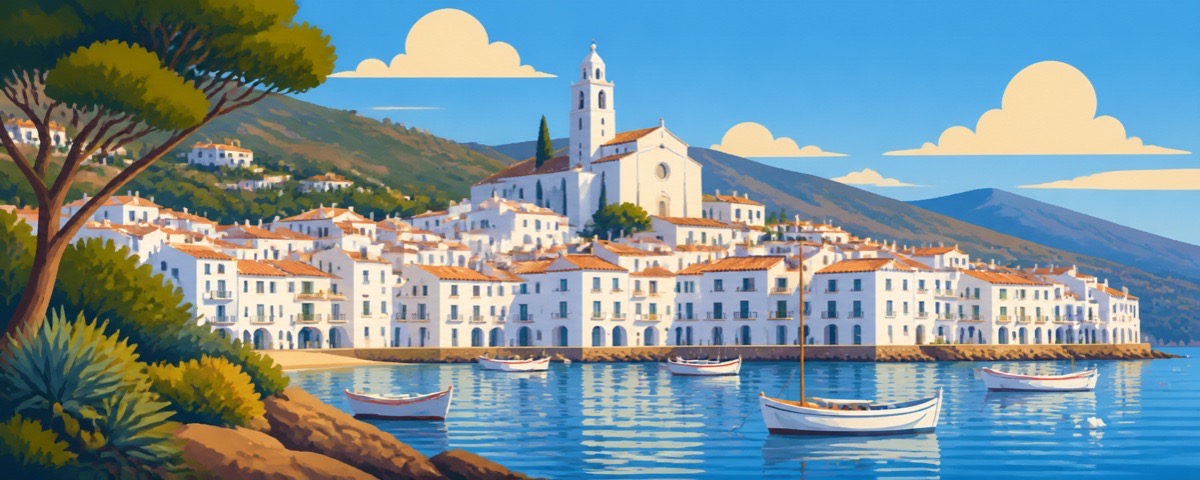
Cadaqués is a village of white houses in a bay on the Costa Brava, enclosed by the Cap de Creus massif and reachable by only one mountain road. Having lived for centuries off fishing and wine, in the twentieth century it became a place for artists around the home of Salvador Dalí in Portlligat.
Did you know
It was better reached by sea.
For decades, Cadaqués was accessible by land only via a winding mountain road, historically preferring connections by sea.
How they talk in Cadaqués
The local Catalan belongs to the Empordà area and retains a strong maritime vocabulary. «Tramuntana» is an important daily word: the north wind can completely change the sea and the village's activities.
déu-n'hi-do
Not bad; quite something; truly remarkable. Interjection or adverb to express surprise, admiration, importance, or a considerable quantity.
Everyday life in Cadaqués
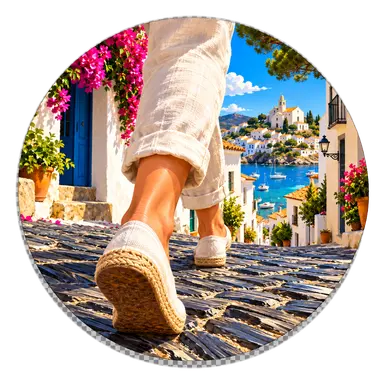
The «rastell» streets
The paving is made of slate stones set on edge, rough and uncomfortable, and it is difficult to walk with thin shoes. They keep redoing it like this, because it is the way the village is made.
«Cuidado, el suelo resbala.» — Careful, the paving is slippery.
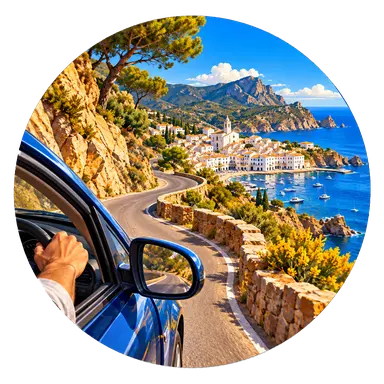
You only get there by one road
The village is behind the Cap de Creus and the road is one bend after another over the mountain: this kept it isolated for centuries and gave it the air it still has.
«Se llega por una carretera de curvas.» — You get there by a winding road.
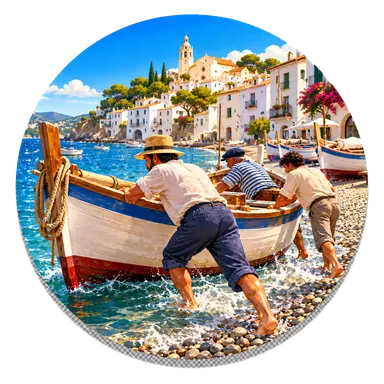
The «llaüts» pulled ashore in the middle of the village
The wooden boats stay on the pebble beach, in the middle of the village, not in a harbour: they are pushed into the water by hand, and in winter they stay there.
What to eat in Cadaqués
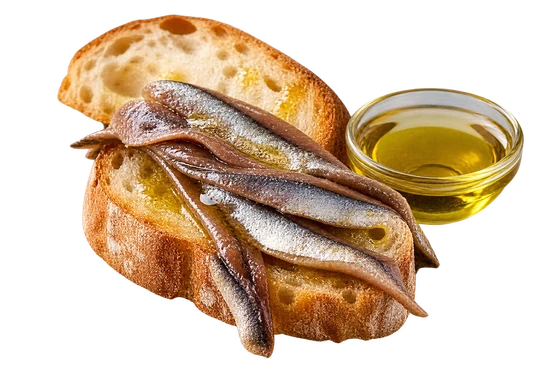
Anxoves de Cadaqués
Salted anchovies, cleaned by hand one by one, served with bread, oil and tomato.
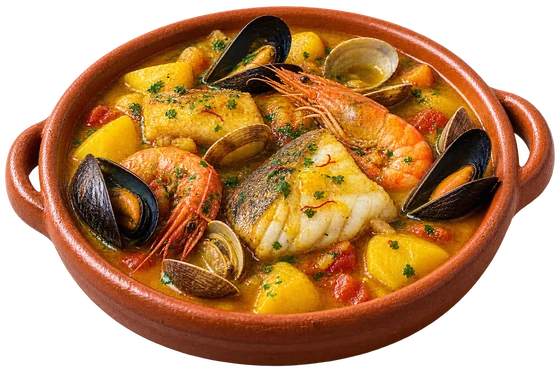
Suquet de peix
Rockfish stew with potatoes and the «picada» of almonds, garlic and parsley.
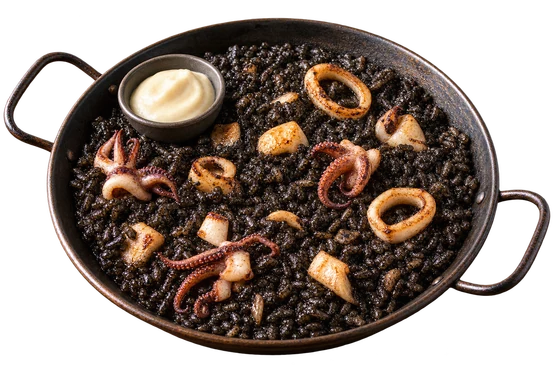
Arròs negre
Rice with squid ink, with alioli on the side.
Festivals in Cadaqués
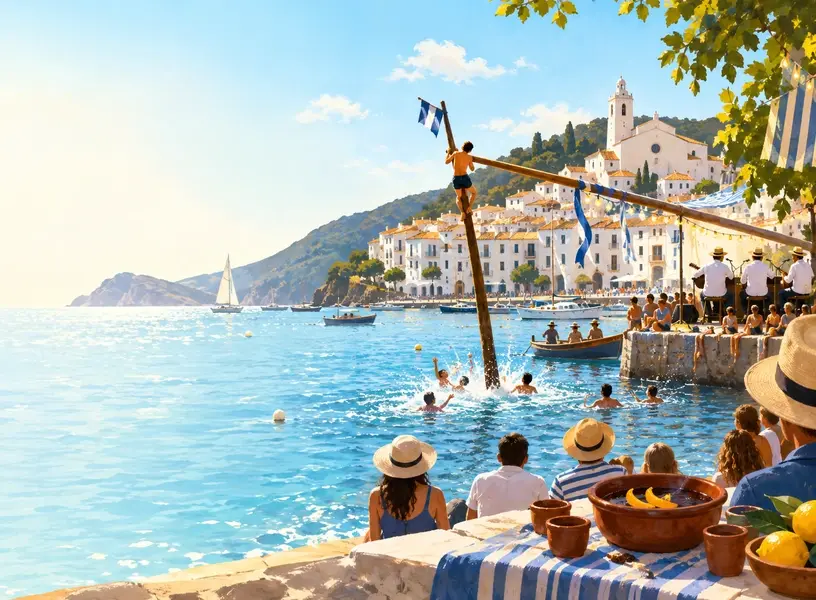
Festa Major d'Estiu
early September
They sing «havaneres» at the harbour, eat «rom cremat» and the young people climb the cucaña over the water.
What to see in Cadaqués
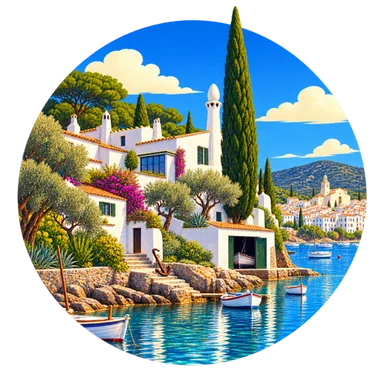
Casa-Museu Salvador Dalí
The house in Portlligat, made of fishermen's huts joined one to another over the course of forty years.
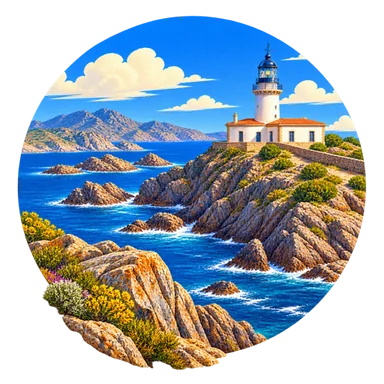
Cap de Creus
The easternmost point of the Iberian Peninsula, with rocks bent by the wind and the sea.
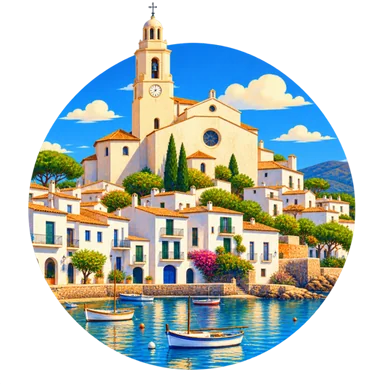
Església de Santa Maria
The fortified church at the top of the village, with the gilded Baroque retablo.
Where Cadaqués comes from
The white village at the end of the road
13th century
The fishermen
It was founded as a fishing village in a bay closed off by the Cap de Creus.
16th–18th century
The pirates
Plundered several times by corsairs: the houses huddle around the fortified church.
19th century
Wine and phylloxera
It lived on wine and anchovies until phylloxera killed the vines.
20th century
The artists
Dalí brought Picasso, Duchamp, Buñuel and Lorca here: the village became a place of art.
Want to learn Spanish by travelling across Spain?
In Aula every lesson is a city lighting up on the map — Cadaqués is one of them. Two hundred lessons from A1 to C2, free, starting from your level.
Start from Cadaqués →