 Aula· Spain, city by city
Cataluña
Figueres
«Figueres acoge el gran museo dedicado al pintor Salvador Dalí.»Figueres hosts the great museum dedicated to the painter Salvador Dalí.
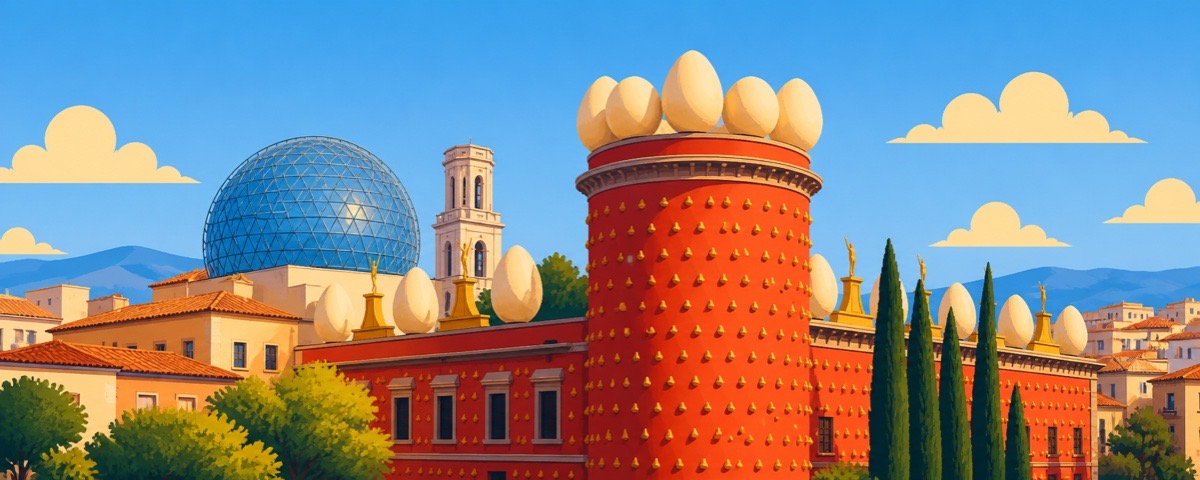
Figueres is in the Empordà plain, about twenty kilometres from the French border. It is dominated by the castle of Sant Ferran, the largest bastioned fortress in Europe, and Salvador Dalí was born here in 1904; in 1974, he transformed the theatre that had burned down during the war into his own museum.
Did you know
Dalí is buried under dome.
Salvador Dalí wanted to be buried right under the large geodesic dome of his museum, to continue receiving visitors after his death.
How they talk in Figueres
«Empordanès» indicates the speech and identity of the Empordà, very deeply felt compared to a generic Catalan label. Catalan is the most visible language in signage and public life.
déu-n'hi-do
Not bad; quite something; truly remarkable. Interjection or adverb to express surprise, admiration, importance, or a considerable quantity.
Everyday life in Figueres
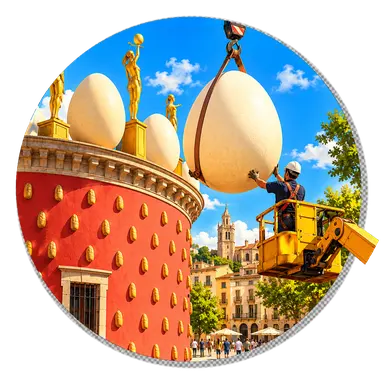
The egg on the museum roof
The Teatre-Museu Dalí has giant eggs on the cornice and gilded loaves on the walls: it stands in the middle of the city and the people of Figueres pass by it every day on their way to the centre.
«Los huevos están en el tejado.» — The eggs are on the roof.
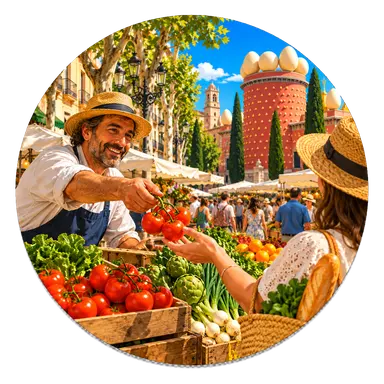
The Thursday market
For centuries, on Thursdays the Rambla fills with stalls and people from the surrounding villages come down to the city to do their shopping: it is the day when the bars in the centre work twice as hard.
«El jueves hay mercado en la Rambla.» — On Thursday there is a market on the Rambla.
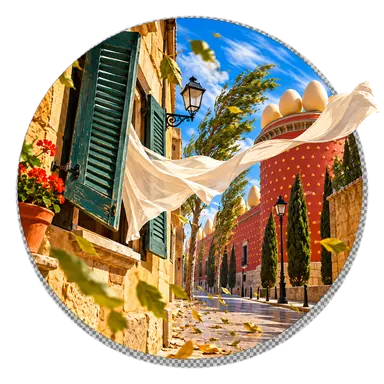
The «tramuntana» that doesn't stop
The north wind blows for days at over a hundred kilometres an hour, slamming shutters and emptying the streets. They say here that it makes you go mad, and the houses are built to resist it.
«Hoy sopla la tramontana.» — Today the tramuntana is blowing.
What to eat in Figueres
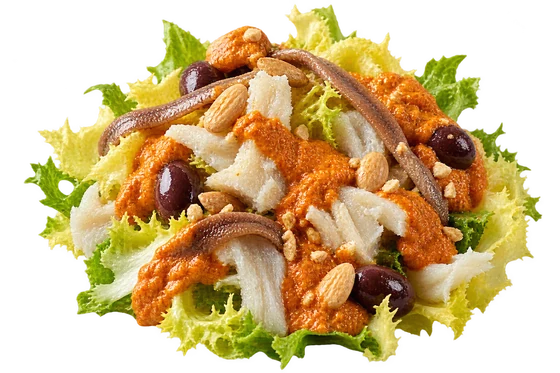
Xató
Escarole salad with salt cod and anchovies, with almond and ñora sauce.
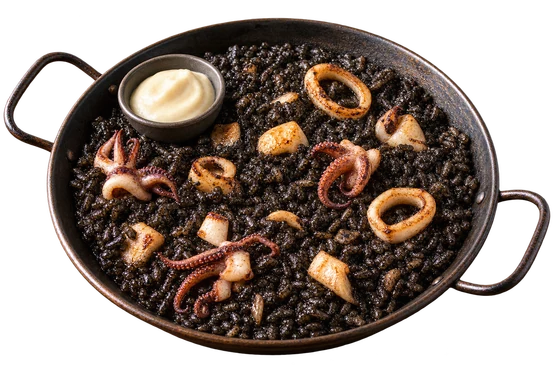
Arròs negre
Rice with squid ink, with alioli.
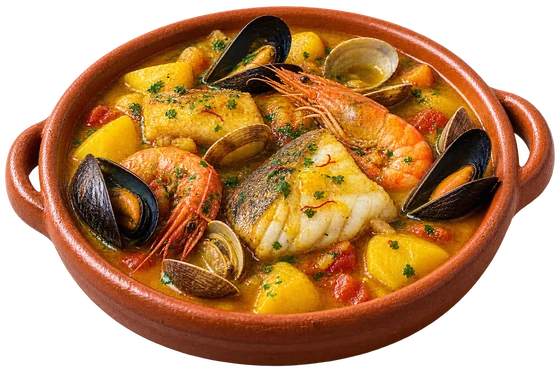
Suquet de peix
Fish stew with potatoes and the «picada» of almonds, garlic and parsley.
Festivals in Figueres
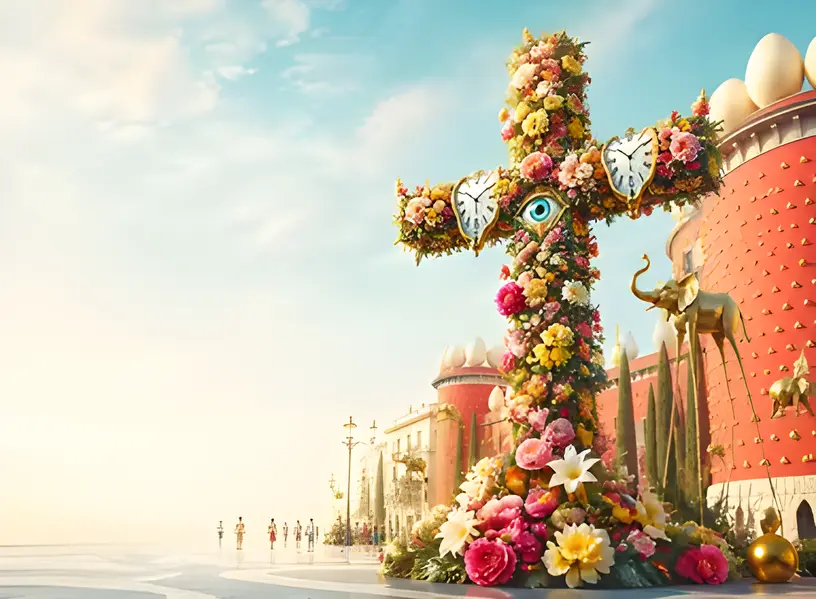
Creus de Maig
early May
The flower crosses in the courtyards and streets of the centre, each made by its own neighbourhood.
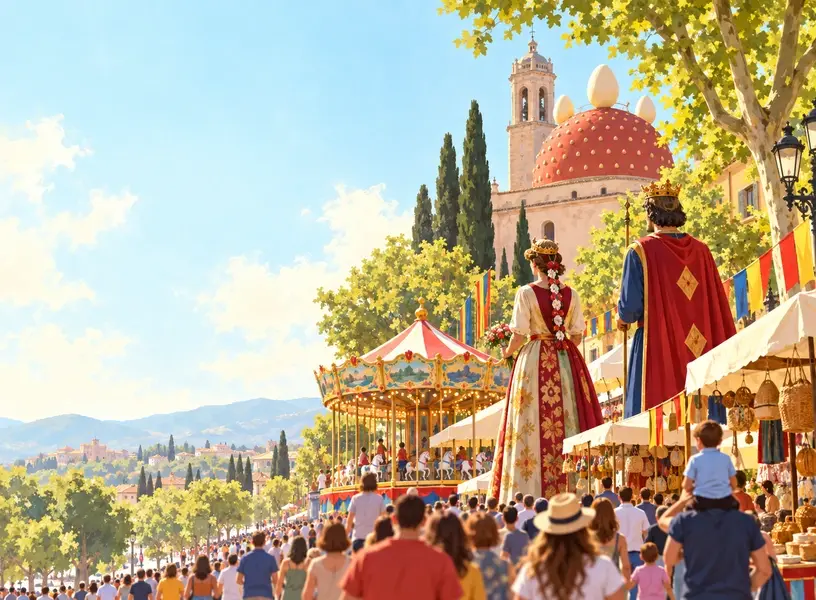
Fires de la Santa Creu
early days of May
Giants, fairground rides and a market: the city's old fair, which is held around the Rambla.
What to see in Figueres
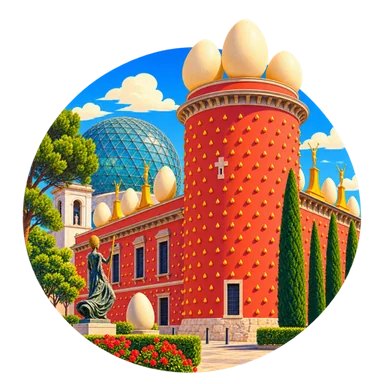
Teatre-Museu Dalí
The theatre burned down in the war that Dalí transformed into his own museum, and where he is buried.
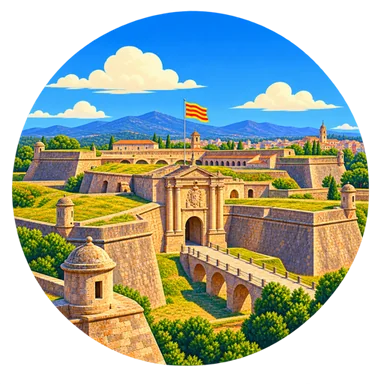
Castell de Sant Ferran
The largest bastioned fortress in Europe: three kilometres in perimeter, and it has never fought.
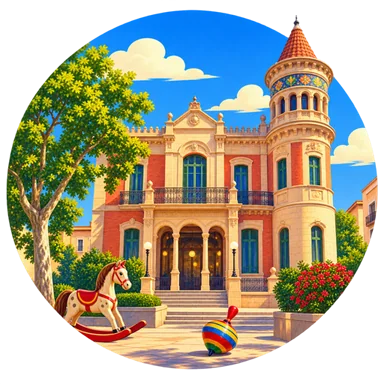
Museu del Joguet
The toy museum, with the real toys of Dalí, Lorca and Miró.
La Rambla
The promenade, where the city has met for two centuries.
Where Figueres comes from
The museum Dalí built around himself
1267
The market
James I gave it the market privilege: it was founded as a trading village.
1753
The castle
Sant Ferran was built, the largest bastioned fortress in Europe.
1904
Dalí
Salvador Dalí was born, a stone's throw from the theatre that sixty years later would become his museum.
1974
The Teatre-Museu
Dalí transformed the theatre burned down in the war into his own museum, and he would be buried there.
Born here: Salvador Dalí, artist.
Want to learn Spanish by travelling across Spain?
In Aula every lesson is a city lighting up on the map — Figueres is one of them. Two hundred lessons from A1 to C2, free, starting from your level.
Start from Figueres →