 Aula· Spain, city by city
Cataluña
Girona
«Girona tiene un barrio judío medieval muy bien conservado.»Girona has a very well-preserved medieval Jewish quarter.
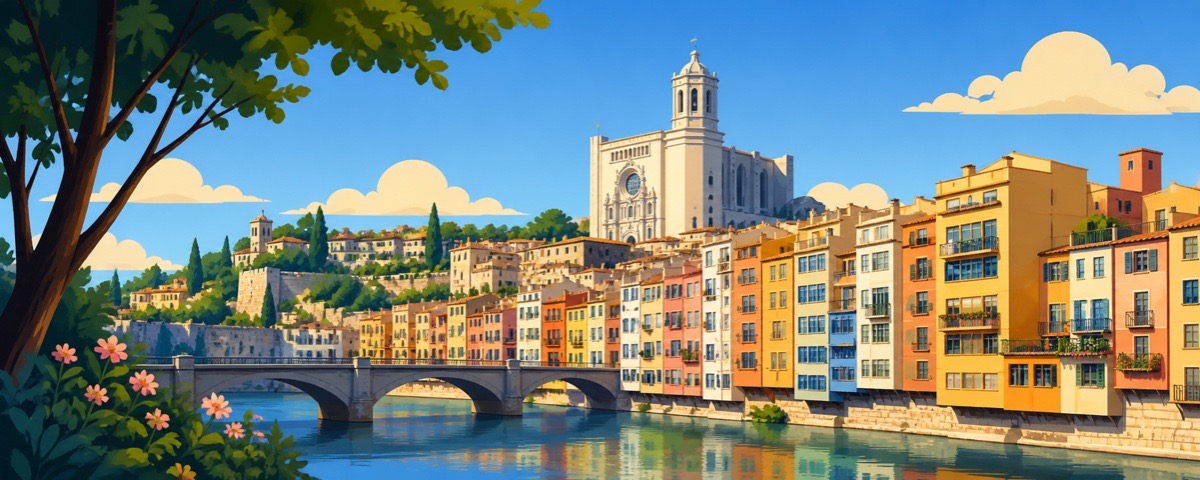
Girona is in the north-east of Catalonia, where four rivers meet, ninety kilometres north of Barcelona. Its historic centre preserves Roman and medieval walls, a cathedral with the widest Gothic nave in the world, and one of the best-preserved Jewish quarters in Europe.
Did you know
An Eiffel bridge before the tower.
The Eiffel bridge in Girona was designed by the same engineer as the Paris tower a full eleven years before the latter was built.
How they talk in Girona
Catalan is very dominant in public life and «Girona» is pronounced with the «g» similar to a French «j». «Call» in Catalonia historically indicates the medieval Jewish quarter.
déu-n'hi-do
Not bad; quite something; truly remarkable. Interjection or adverb to express surprise, admiration, importance, or a considerable quantity.
Everyday life in Girona
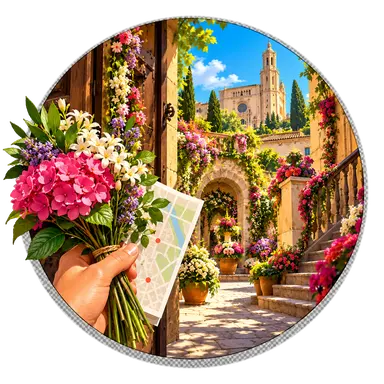
The «Temps de Flors» in May
For a week, the courtyards, stairs and palaces closed all year round open up full of flower arrangements: you enter private houses with a map in your hand, and the city becomes walkable inside.
«¿Has visto los patios abiertos?» — Have you seen the open courtyards?
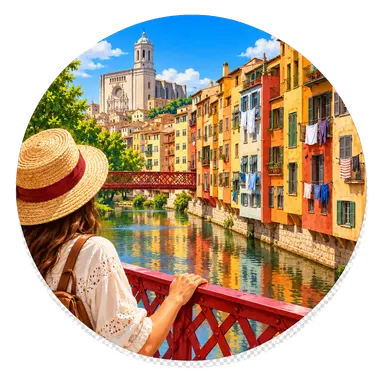
The houses on the Onyar
The painted facades overlooking the river are normal homes, with windows and laundry hanging out. You look at them from the iron bridge built by Eiffel's company, which is a daily pedestrian crossing.
«Las casas del río son de colores.» — The houses on the river are colourful.
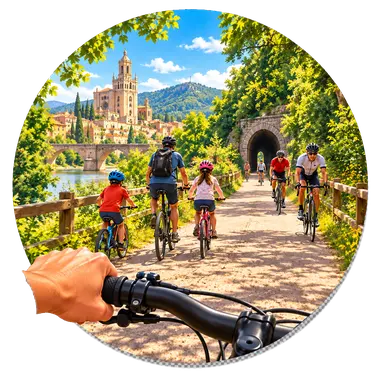
You go by bike to the «Via Verde»
The old railway track to Olot has become a path in the middle of the woods: it starts from the city and you do it on Sundays, with families and professional cyclists crossing paths.
«Vamos en bici hasta Olot.» — We go by bike as far as Olot.
What to eat in Girona
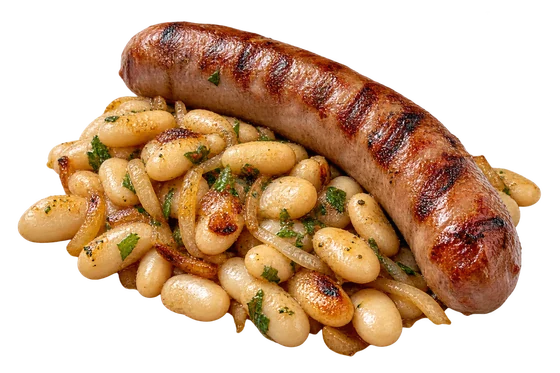
Botifarra amb mongetes
Catalan grilled sausage with white beans sautéed in its fat.
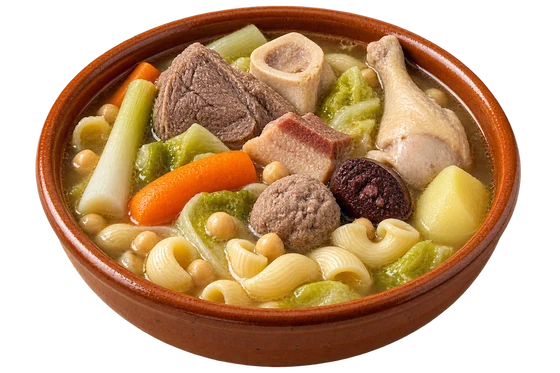
Escudella i carn d'olla
Thick soup with large pasta, vegetables and boiled meats, served afterwards.
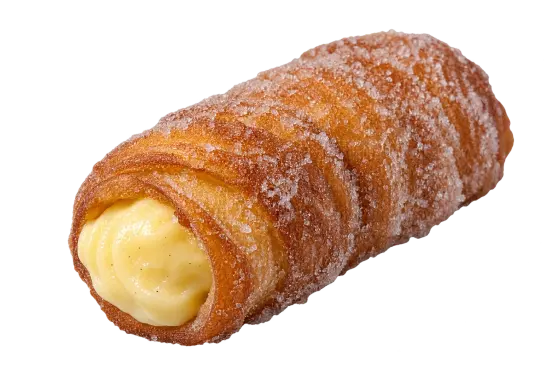
Xuixo
Fried dough roll filled with cream and rolled in sugar: it was born here.
Festivals in Girona
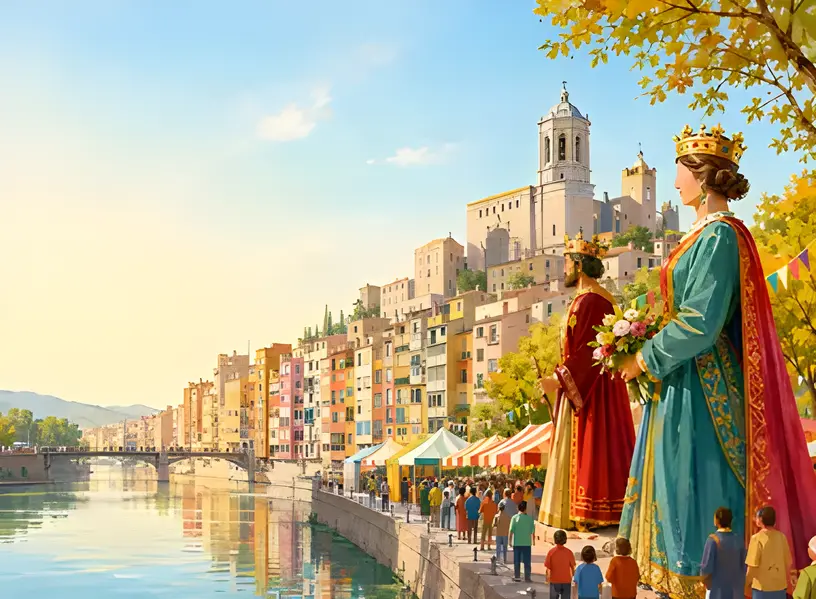
Fires de Sant Narcís
the last week of October
The giants parade and the «barraques» fill the city with music: it is the big festival, the one that closes the year.
What to see in Girona
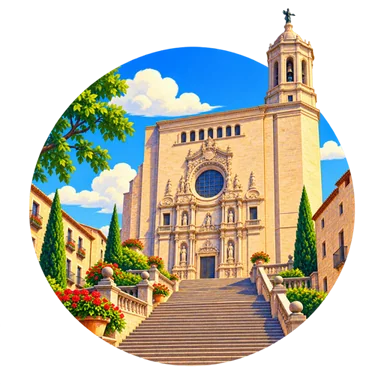
Catedral de Girona
It has the widest Gothic nave in the world: twenty-two metres without a column in the middle.
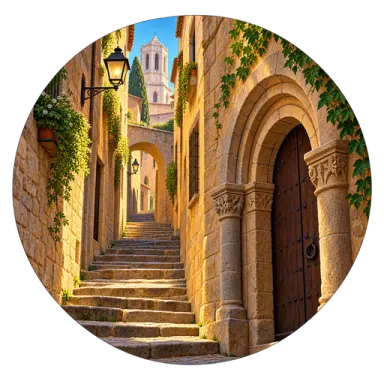
El Call
One of the best-preserved Jewish quarters in Europe, made of narrow stairs between stone walls.
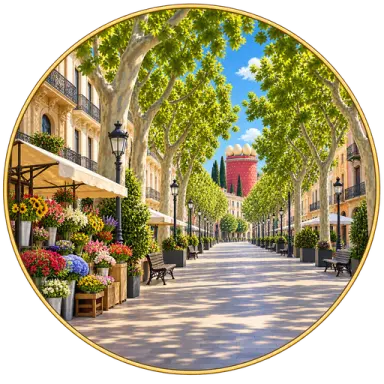
Cases de l'Onyar
The houses overlooking the river, painted in ochre, red and yellow.
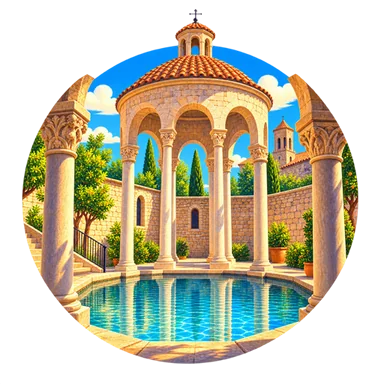
Banys Àrabs
They call them Arab baths but they are Romanesque, from 1194: they copied the Muslim model because it worked.
Where Girona comes from
The city that never surrendered
1st century BC
Gerunda
The Romans fortified the point where the Via Augusta crosses the river.
8th–9th century
The frontier
It passed to the Arabs and then to the Franks: it became a county of the Marca Hispanica.
12th–15th century
The Call
The Jewish quarter was among the most important in Europe: the kabbalist Nahmanides taught there.
1809
The sieges
It resisted the French siege for seven months: since then they have called it «la immortal».
Want to learn Spanish by travelling across Spain?
In Aula every lesson is a city lighting up on the map — Girona is one of them. Two hundred lessons from A1 to C2, free, starting from your level.
Start from Girona →