 Aula· Spain, city by city
Cataluña
Terrassa
«Terrassa conserva un conjunto monumental de iglesias visigodas.»Terrassa preserves a monumental complex of Visigothic churches.
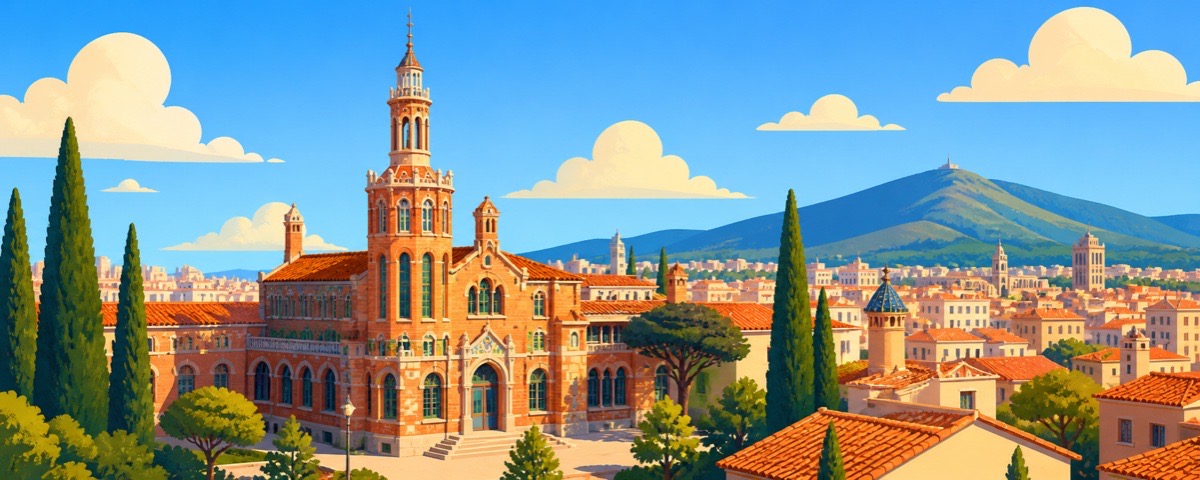
Terrassa borders Sabadell in the same industrial valley north of Barcelona, and like it, it grew with the textile industry. It preserves a complex of three pre-Romanesque churches among the few remaining in Europe and a modernist factory that has become the national museum of science and technology.
Did you know
Three Visigothic churches, unique in Europe.
The Visigothic churches of Sant Pere form a unique monumental complex in Europe dating back to the early medieval period.
How they talk in Terrassa
«Vapor» and «xemeneia» are recurring words in the urban heritage because the city was a textile centre. Catalan and Castilian coexist with natural alternation in families and services.
déu-n'hi-do
Not bad; quite something; truly remarkable. Interjection or adverb to express surprise, admiration, importance, or a considerable quantity.
Everyday life in Terrassa
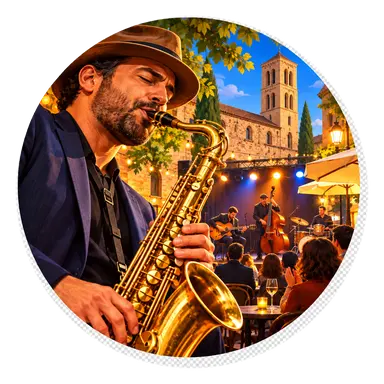
The «Festival de Jazz» in March
The city's jazz festival has been running for over forty years and occupies theatres, bars and squares for two weeks. It is one of the events that Catalans mark on their calendars.
«El festival de jazz es en marzo.» — The jazz festival is in March.
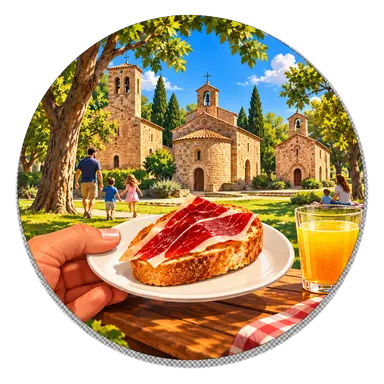
The churches of Sant Pere
Three pre-Romanesque churches next to each other, in the middle of a park where people bring their children: you pass between ninth-century buildings on your way to have a snack.

The «Masia Freixa» as a municipal office
The modernist palace with white, curved arches is not a museum: it houses public offices, and you go in to do paperwork among rethought Gaudí-style columns.
What to eat in Terrassa
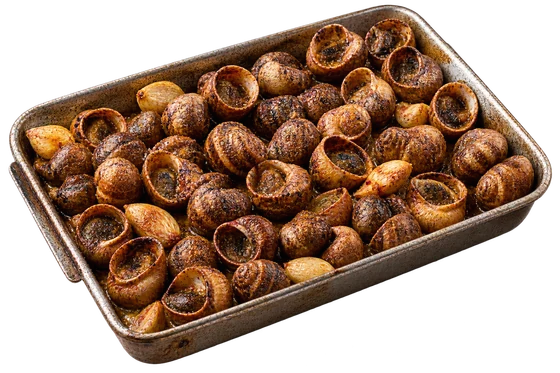
Cargols a la llauna
Snails roasted in a tray with garlic, oil and paprika.
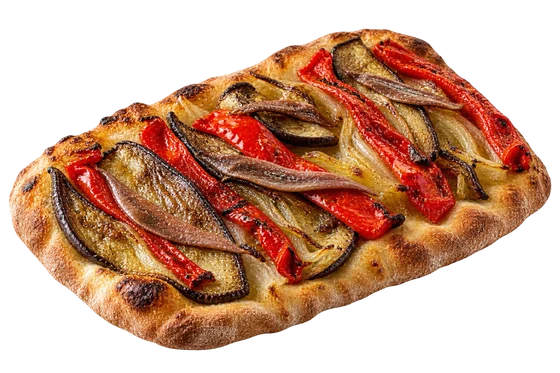
Coca de recapte
Thin focaccia with roasted vegetables on top, and often anchovy.
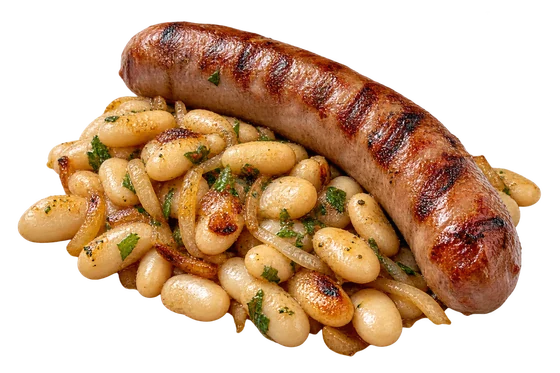
Botifarra amb mongetes
Grilled Catalan sausage with white beans.
Festivals in Terrassa
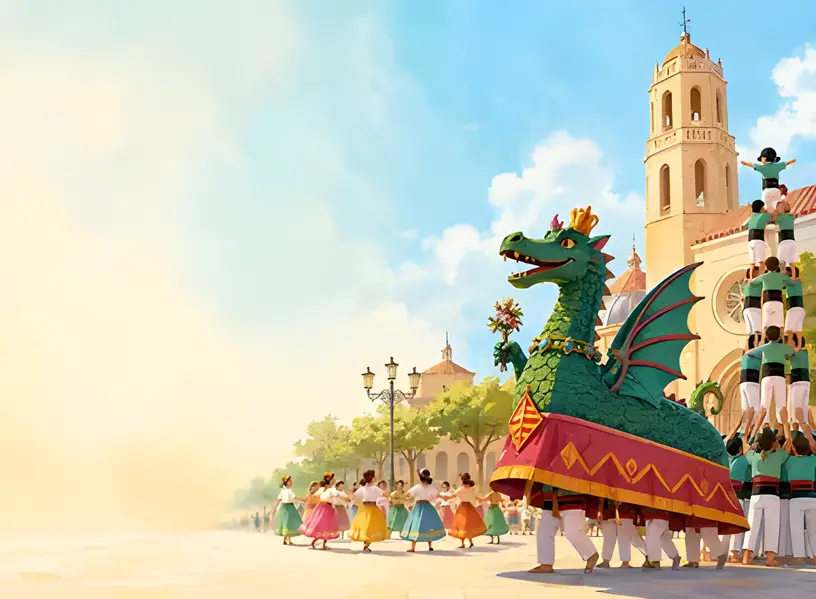
Festa Major
the first days of July
The castellers raise towers in the square, the dragon spits fire and they dance the «ball de plaça» as they did two centuries ago.
What to see in Terrassa
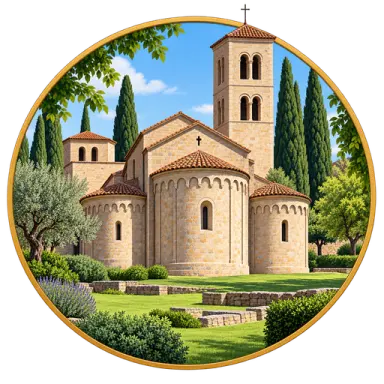
Seu d'Ègara
Three pre-Romanesque churches next to each other within the same enclosure, from the 5th-9th century.
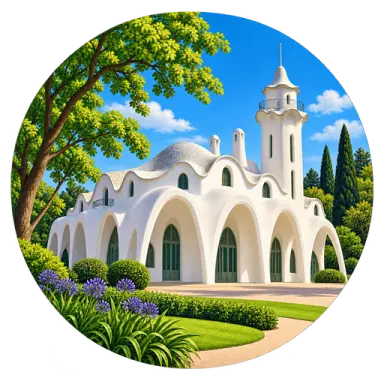
Masia Freixa
A modernist house of curves and parabolic arches, inspired by Gaudí's ideas.
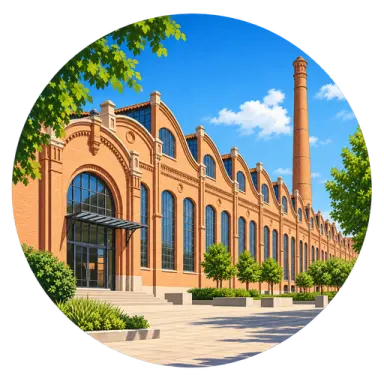
mNACTEC
The national museum of science and technology, inside the Aymerich textile factory.
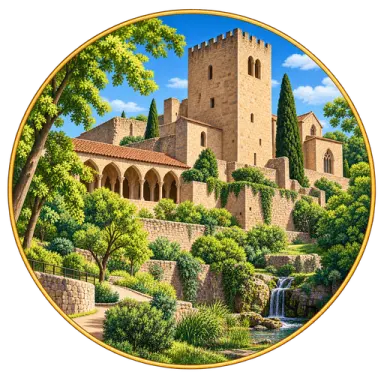
Castell Cartoixa de Vallparadís
A medieval castle then a charterhouse, with a moat and park around it.
Where Terrassa comes from
Three churches in a single courtyard
Roman era
Egara
Roman municipality, then Visigothic episcopal seat between the 5th and 8th centuries.
11th century
The castle
The village is born around the castle of Vallparadís.
19th century
The steam
Wool and factories make it grow alongside Sabadell, in competition.
20th century → today
The museum
The Aymerich factory becomes the national museum of science and technology.
Want to learn Spanish by travelling across Spain?
In Aula every lesson is a city lighting up on the map — Terrassa is one of them. Two hundred lessons from A1 to C2, free, starting from your level.
Start from Terrassa →