 Aula· Spain, city by city
Galicia
A Coruña
«A Coruña destaca por la Torre de Hércules, un faro romano.»A Coruña stands out for the Tower of Hercules, a Roman lighthouse.
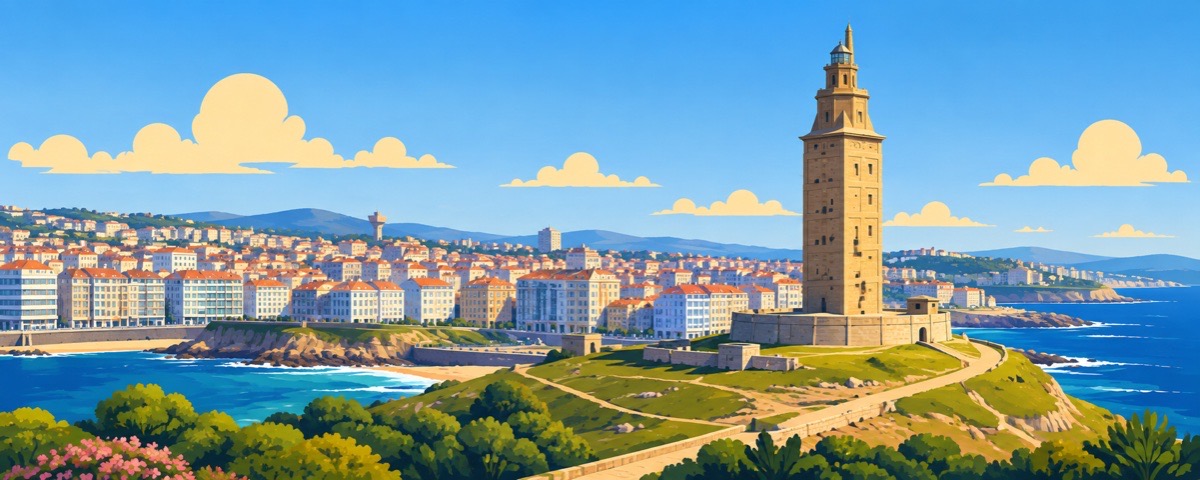
A Coruña is on a peninsula on the north coast of Galicia, with the sea on almost all sides. Its Tower of Hercules is the oldest Roman lighthouse in the world still in operation, and the glass façades facing the port have given it the name of the city of glass.
Did you know
Oldest Roman lighthouse still lit.
The Tower of Hercules is the oldest Roman lighthouse in the world still in operation, built at the end of the 1st century.
How they talk in A Coruña
In Galician, the «gheada» can transform a «g» into an aspirated sound, for example «gato» sounding like «hato». «Riquiño» means cute or nice, while «morriña» indicates nostalgia for one's homeland.
morriña
Melancholic nostalgia, particularly for one's own land. Used to describe the feeling of distance and melancholy towards the land of origin or, more generally, a nostalgic state.
Everyday life in A Coruña
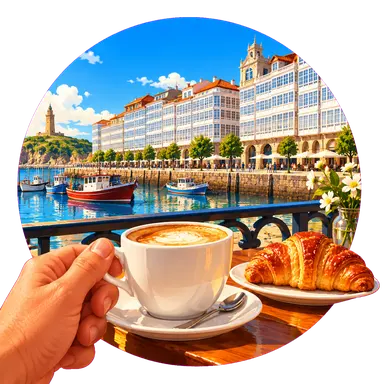
The white «galerías» on the port
The facades of the Marina are all glass and white wood: the enclosed verandas are used to catch the sun without the wind, and that is how people live in the houses facing the sea.
«Las galerías son de madera blanca.» — The verandas are made of white wood.
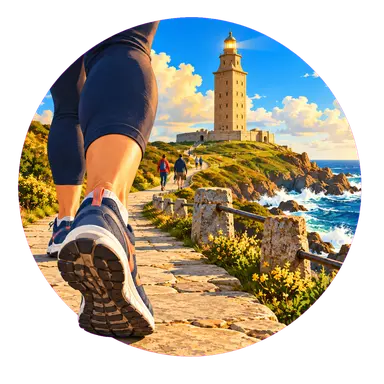
The «Torre de Hércules» as a walk
The Roman lighthouse, still lit after nineteen centuries, stands on top of a headland with a path around it: people go there to walk on Sundays, with the wind in their faces.
«El faro sigue encendido.» — The lighthouse is still lit.
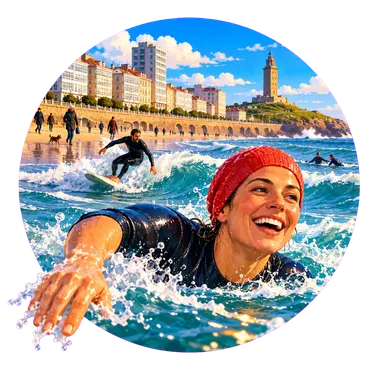
Riazor is used in winter
The beach is in the middle of the city and the locals go down there all year round, even in January: some swim, and surfers are in the water when it's cold.
«Aquí se baña la gente en enero.» — People bathe here in January.
What to eat in A Coruña
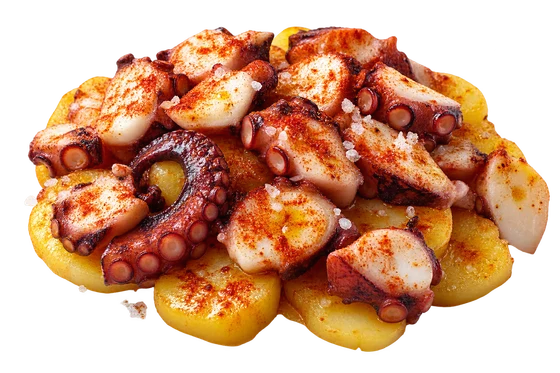
Pulpo a la gallega
Boiled octopus, cut with scissors and seasoned with oil, coarse salt and paprika, on a wooden plate.
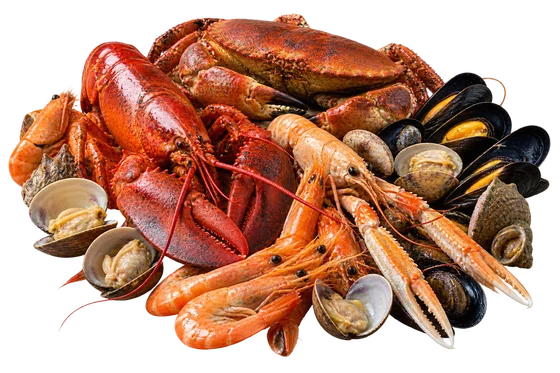
Mariscada
Platter of seafood from the coast, boiled and served all together.
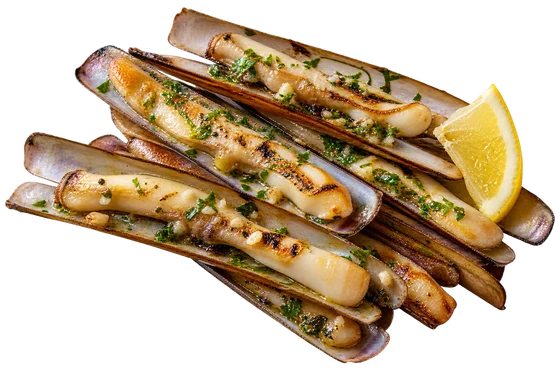
Navajas a la plancha
Razor clams cooked on the grill with lemon and parsley, served in the open shell.
Festivals in A Coruña
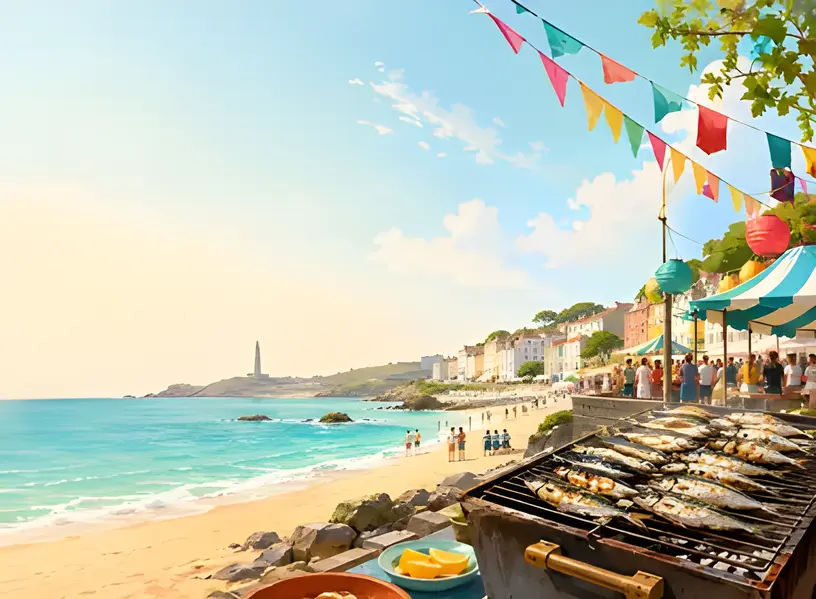
Noite de San Xoán
the night of 23 June
Hundreds of bonfires lit on the sand of Riazor and Orzán, and at midnight everyone jumps over the fire and then the waves.
What to see in A Coruña
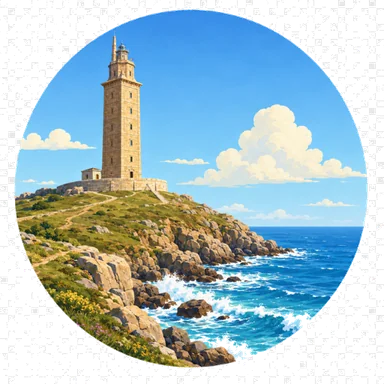
Torre de Hércules
The oldest Roman lighthouse in the world still in operation: it has been shining its light for almost two thousand years.
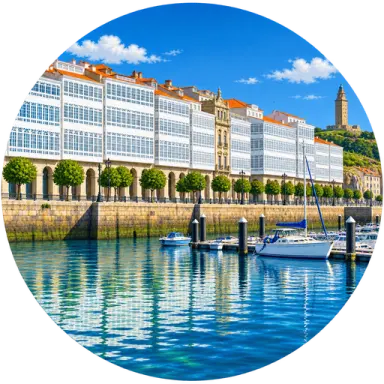
Las galerías de la Marina
The glass facades overlooking the port, which gave the city the name of «city of glass».
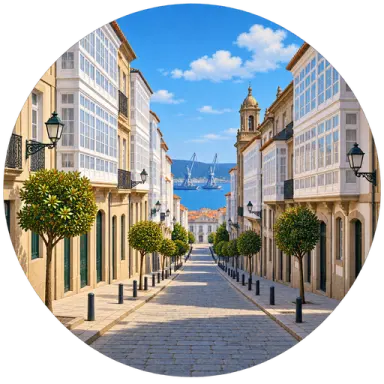
Ciudad Vieja
The medieval quarter inside the walls, with Romanesque churches and small squares.
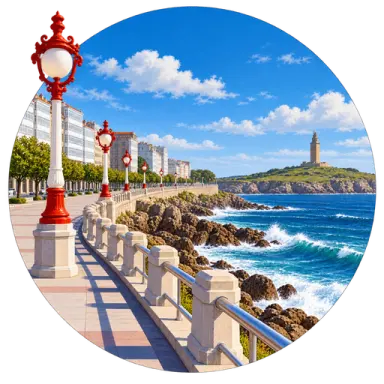
Paseo Marítimo
The longest seaside promenade in Europe, which runs around the entire peninsula.
Where A Coruña comes from
The oldest Roman lighthouse still lit
Roman era
Brigantium
Roman port on the headland, with the lighthouse built in the 1st century.
1588
The Armada
The Spanish Armada set sail from here towards England.
1589
María Pita
The city repelled Drake's attack: a commoner raised the alarm and became the city's symbol.
19th century
The galleries
The glass facades were built on the port: the city became the «city of glass».
Born here: Emilia Pardo Bazán, writer.
Want to learn Spanish by travelling across Spain?
In Aula every lesson is a city lighting up on the map — A Coruña is one of them. Two hundred lessons from A1 to C2, free, starting from your level.
Start from A Coruña →