 Aula· Spain, city by city
Galicia
Fisterra
«Fisterra es el cabo que muchos peregrinos consideran el fin del mundo.»Fisterra is the cape that many pilgrims consider the end of the world.
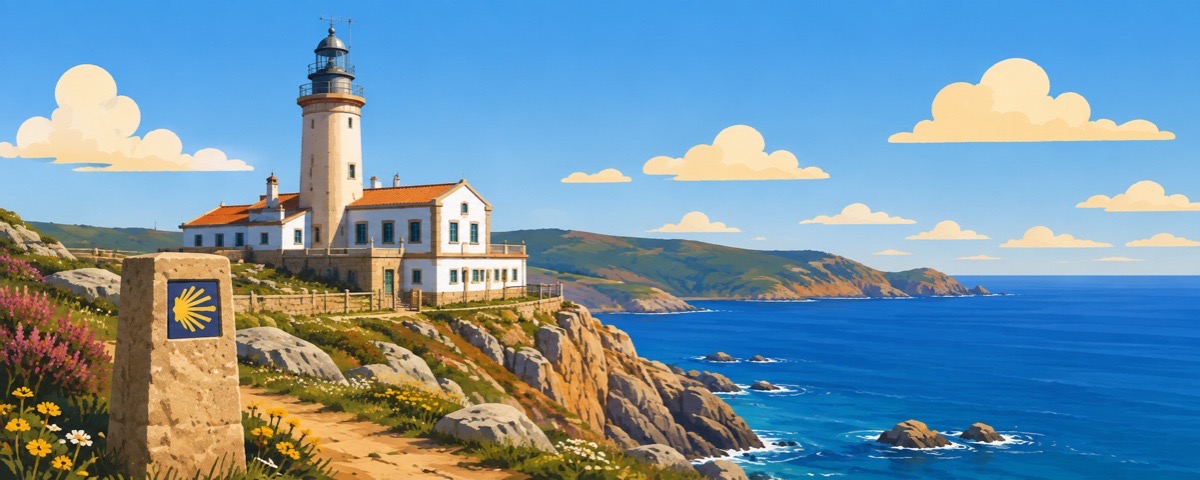
Fisterra is a fishing village on the cape that the Romans believed was the end of the earth, at the westernmost tip of Galicia. It is the point where many pilgrims continue after Santiago, to reach the ocean and watch the sun fall into the water with nothing in front of them.
Did you know
Burning Camino clothes here.
Many pilgrims on the Camino de Santiago continue to this point to symbolically burn their old clothes in front of the Atlantic Ocean.
How they talk in Fisterra
«Fisterra» derives from the Latin «finis terrae», end of the earth. «Costa da Morte» is the Galician name for the coast and appears constantly in weather, fishing and local identity.
morriña
Melancholic nostalgia, particularly for one's own land. Used to describe the feeling of distance and melancholy towards the land of origin or, more generally, a nostalgic state.
Everyday life in Fisterra
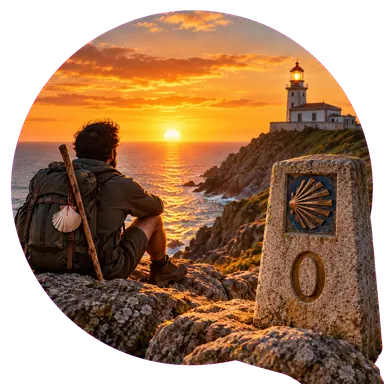
The zero kilometre at the lighthouse
Pilgrims arrive here after Santiago and at sunset they sit on the rocks below the lighthouse, where clothes were once burnt. Now it is forbidden, but people stay there anyway.
«Aquí acaba el camino.» — Here the Camino ends.
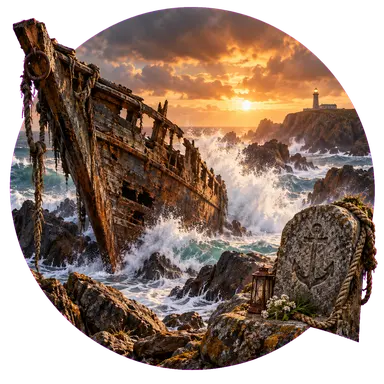
The «Costa da Morte» has its shipwrecks
This stretch of coast has swallowed hundreds of ships, and the town cemeteries have graves of foreign sailors. It is spoken of without rhetoric: it is the history of the families here.
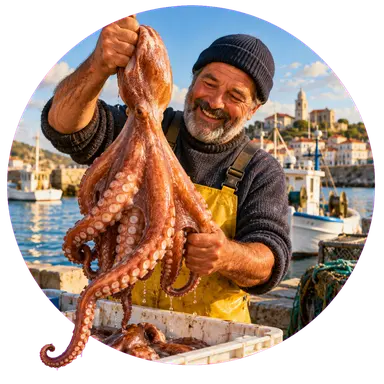
Octopus is bought at the port
The boats return in the afternoon and the octopus is sold there: you take it alive, freeze it at home to tenderise it and then make it «á feira», with paprika and oil.
«Pulpo á feira, por favor.» — Octopus Galician-style, please.
What to eat in Fisterra
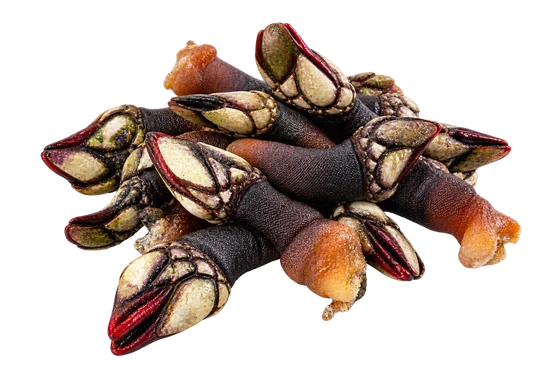
Percebes
Goose barnacles detached by hand from the rock beaten by the waves, boiled for a minute: it is the most dangerous job at sea.
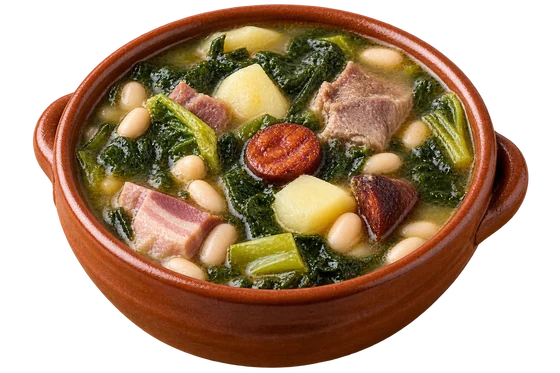
Caldo gallego
Thick soup of turnip greens, potatoes, beans and lard.
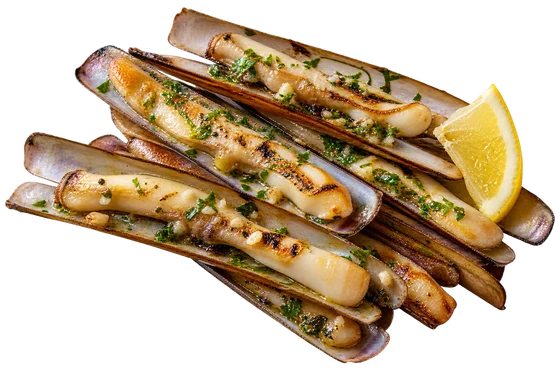
Navajas a la plancha
Razor clams cooked on the griddle with lemon and parsley, in their open shell.
Festivals in Fisterra
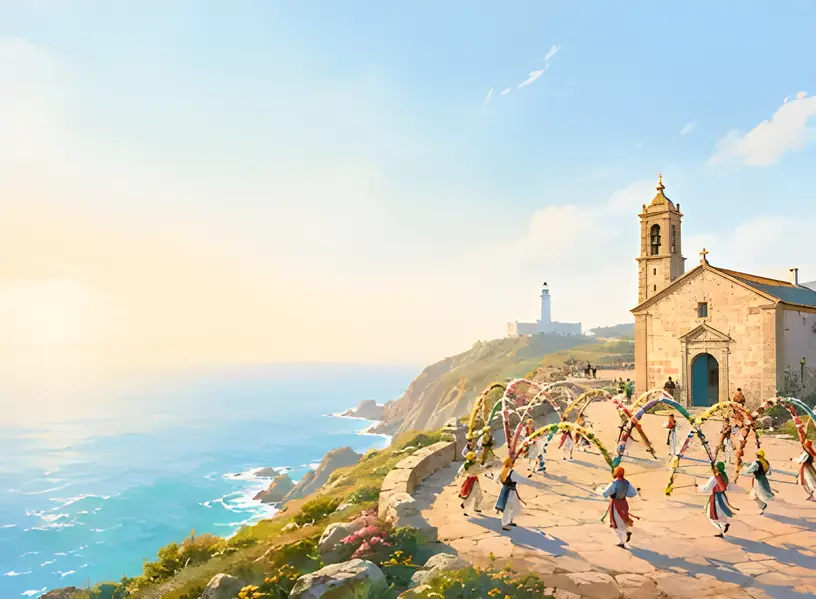
Festas do Santo Cristo
during Holy Week
The Passion is performed between the houses and the church of Santa María das Areas, with the sea behind and the pilgrims arriving.
What to see in Fisterra
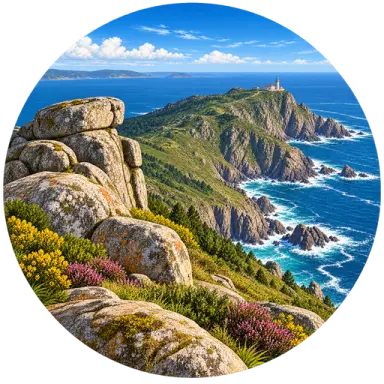
Cabo Fisterra
The headland where the Romans believed the earth ended, and where the Camino de Santiago truly reaches its end.
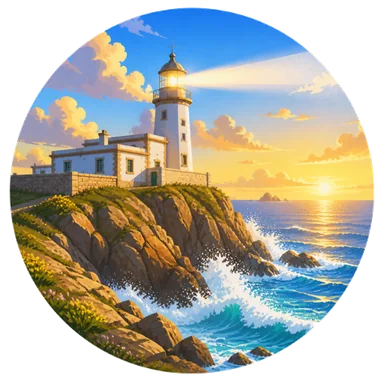
Faro de Fisterra
The 1853 lighthouse on the point, with the foghorn they call «la vaca de Fisterra».
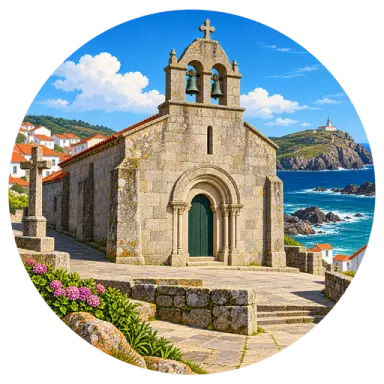
Iglesia de Santa María das Areas
The church where pilgrims who have reached the end of the Camino receive a blessing.
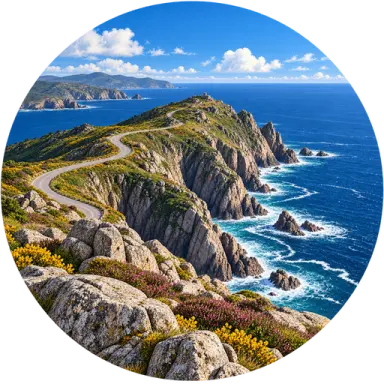
Monte Facho
The hill above the headland, with the remains of the sun altar and the view over the Costa da Morte.
Where Fisterra comes from
Where the Romans believed the earth ended
Roman era
The headland
The Romans call it «finis terrae»: for them, the world really ended here.
12th century
The Camino
Pilgrims begin to continue to the headland, after Santiago.
16th century
The church
Santa María das Areas is built, where pilgrims who have arrived at the end are blessed.
1853
The lighthouse
The lighthouse on the headland is lit, marking the westernmost point of the Camino.
Want to learn Spanish by travelling across Spain?
In Aula every lesson is a city lighting up on the map — Fisterra is one of them. Two hundred lessons from A1 to C2, free, starting from your level.
Start from Fisterra →