 Aula· Spain, city by city
Galicia
Pontevedra
«Pontevedra tiene un casco histórico totalmente peatonal y muy tranquilo.»Pontevedra has a totally pedestrian and very quiet historic centre.
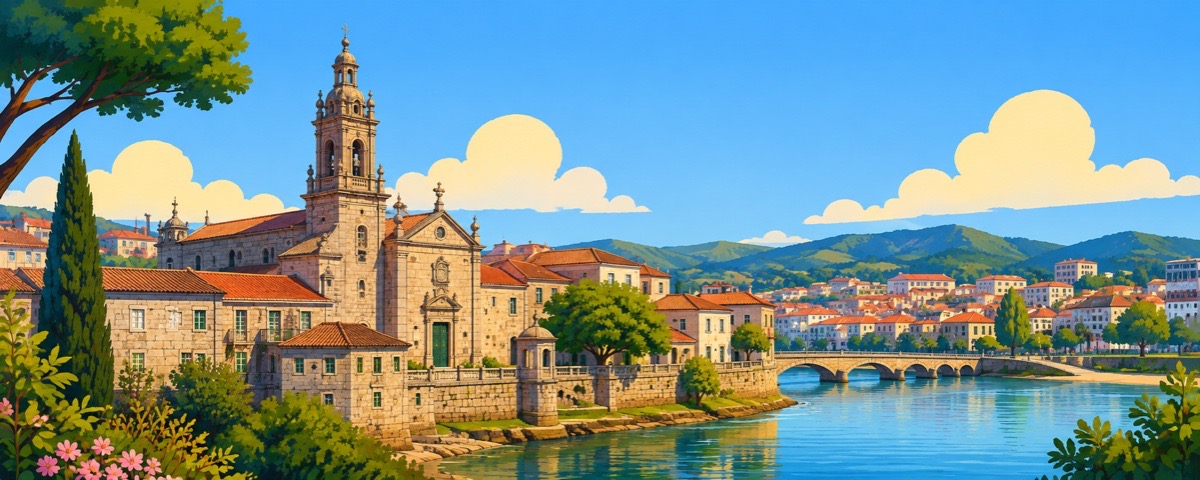
Pontevedra is located at the head of the estuary of the same name, on the west coast of Galicia, where the Lérez river flows into the sea. It was the most important port in the region until the estuary silted up, and since 1999 its entire historic centre has been closed to car traffic.
Did you know
It removed cars from downtown.
Pontevedra has almost completely eliminated cars from its urban centre, winning international urban planning awards for its quality of life.
How they talk in Pontevedra
Galician is very present and «praza», «rúa» and «bo día» are part of daily life. «Boa vila» is a historical nickname linked to the city.
morriña
Melancholic nostalgia, particularly for one's own land. Used to describe the feeling of distance and melancholy towards the land of origin or, more generally, a nostalgic state.
Everyday life in Pontevedra

The «casco vello» without cars
For twenty years, the historic core has been almost entirely pedestrian: children go to school alone, accidents have disappeared and the city has become a model studied abroad.
«Aquí no entran coches.» — Cars do not enter here.
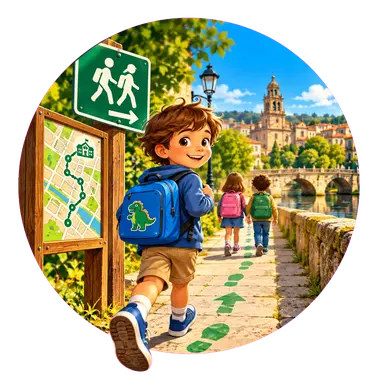
Children go to school alone
There is a marked route, the «camiño escolar», with maps and signs: six or seven-year-old children walk there without adults, and it is something that is considered normal here.
«Van solos por el camino escolar.» — They go alone along the school route.
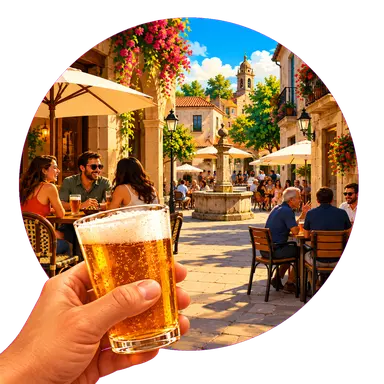
The «prazas» one after another
The centre is made of small squares one after another, each with its own bars: you go out and do the rounds passing from one to the other, and each has its own crowd.
What to eat in Pontevedra
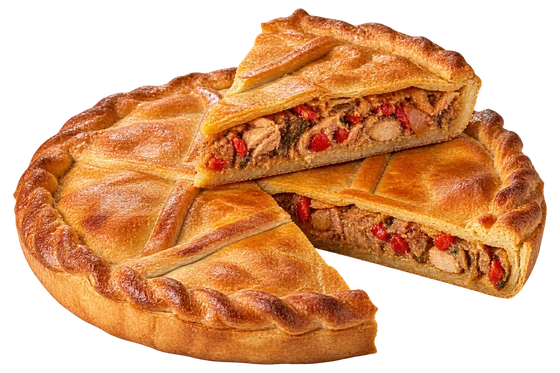
Empanada gallega
A low and wide savoury pie, filled with tuna, meat or mussels, cut into squares.
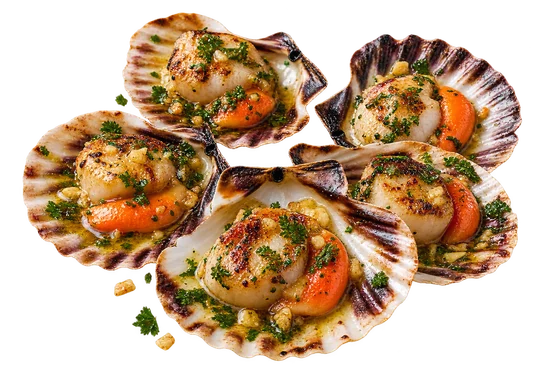
Zamburiñas a la plancha
Small scallops cooked on the griddle in their shells, with garlic and parsley.
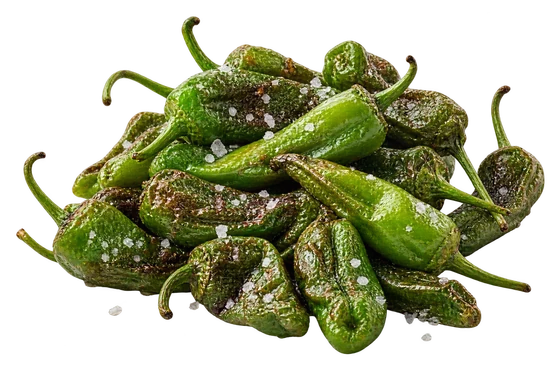
Pimientos de Padrón
Green peppers fried with coarse salt: one in ten is spicy, and you never know which one.
Festivals in Pontevedra
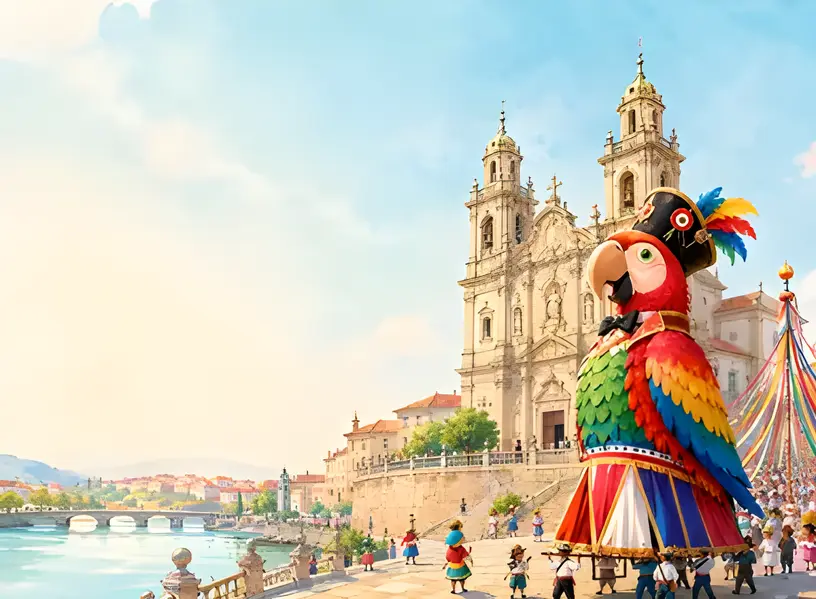
Feira Franca
the first weekend of September
The historic centre returns to 1467, when the city obtained the right to hold a market without paying taxes: and people dress as they did then.
What to see in Pontevedra
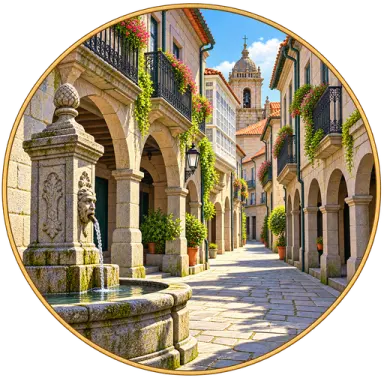
Casco histórico
The historic centre has been closed to traffic since 1999: since then, no one has died in the city from being hit by a car.
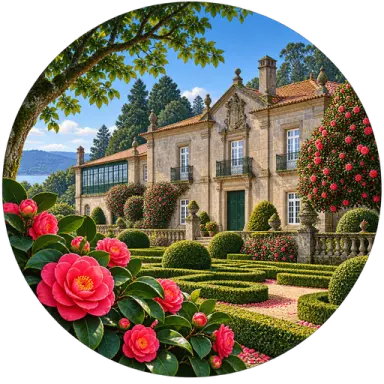
Santuario de la Peregrina
A church with a shell-shaped floor plan, the sign of the pilgrims.
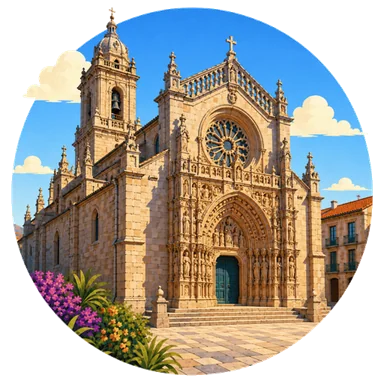
Basílica de Santa María la Mayor
The church that the fishermen's guild paid for, with a Plateresque facade.
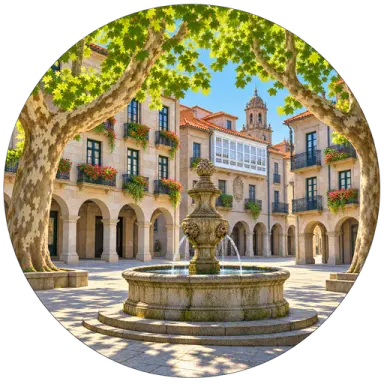
Praza da Ferrería
The arcaded square with the fountain and the magnolias, the heart of the pedestrian city.
Where Pontevedra comes from
A city where cars do not enter
12th century
The bridge
It was born around the bridge over the Lérez, which gives the city its name: «ponte vetera».
16th century
The port
It is the most important port in Galicia: from here, salted fish leaves for Castile.
17th century
The silting up
The estuary silts up and the port dies: the city stops for two centuries.
1999 → today
Cars out
The centre is closed to traffic: since then, there has not been a single traffic fatality.
Want to learn Spanish by travelling across Spain?
In Aula every lesson is a city lighting up on the map — Pontevedra is one of them. Two hundred lessons from A1 to C2, free, starting from your level.
Start from Pontevedra →