 Aula· Spain, city by city
Galicia
Vigo
«Vigo tiene el puerto pesquero más importante de toda Europa.»Vigo has the most important fishing port in all of Europe.
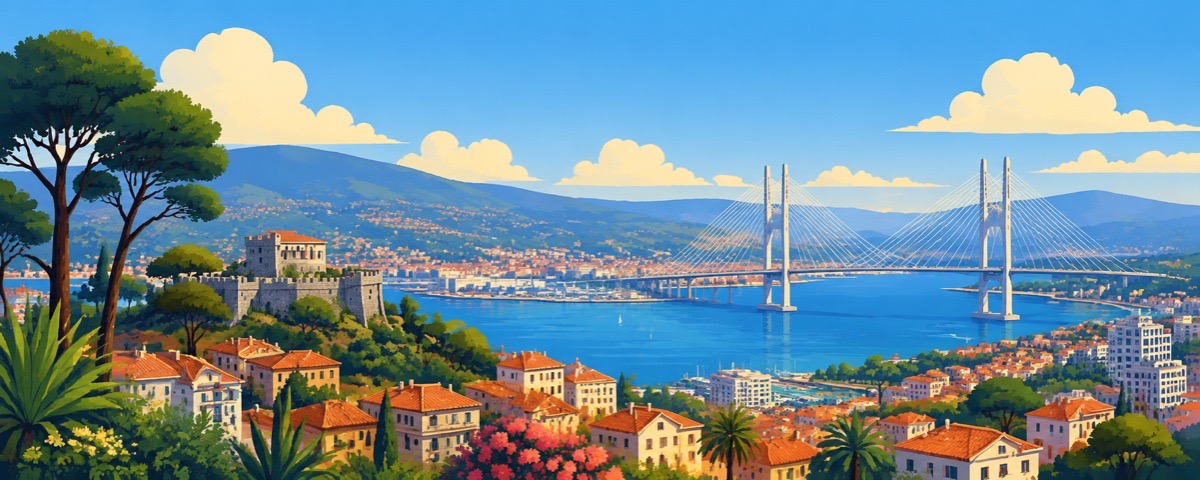
Vigo is the most populous city in Galicia and is located on the south bank of the estuary of the same name, opposite the Cíes Islands. It is the most important fishing port in Europe by volume of catch, and its economy also relies on the car industry and fish canning.
Did you know
Christmas lights seen from afar.
Every winter, Vigo attracts millions of tourists thanks to an impressive and very expensive Christmas light show that covers the entire city.
How they talk in Vigo
The local Galician features «gheada» among some speakers, where a «g» can sound aspirated. «Ría» is a fundamental word and indicates the deep inlet that defines the city.
morriña
Melancholic nostalgia, particularly for one's own land. Used to describe the feeling of distance and melancholy towards the land of origin or, more generally, a nostalgic state.
Everyday life in Vigo
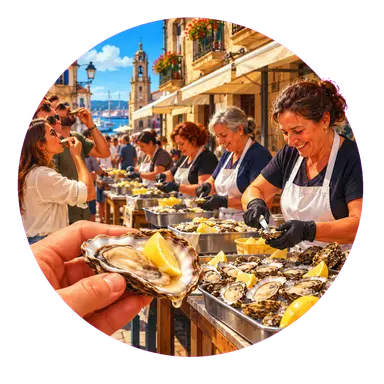
The «ostras» in rúa da Pescadería
A line of women sells oysters opened on the spot at small tables in the street, from the morning: they are eaten standing up, with lemon, and you pay by the dozen. It is called the oyster street and has worked like this for decades.
«Media docena de ostras, por favor.» — Half a dozen oysters, please.
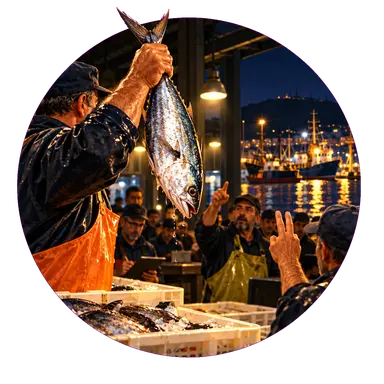
The «lonja» at three in the morning
Vigo is one of the largest fishing ports in Europe and the lonja handles fish between three and six in the morning: the auctions are in the dark, and those who work there have a schedule that no one else has.
«La subasta es de madrugada.» — The auction is in the middle of the night.
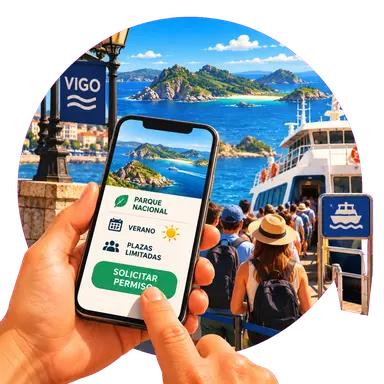
The «Cíes» in half an hour
The islands in front of the city are a national park and you get there by boat: in summer a permit is needed, places are limited and the vigueses book them as soon as they open.
«Hay que pedir permiso para ir.» — You have to ask for a permit to go.
What to eat in Vigo
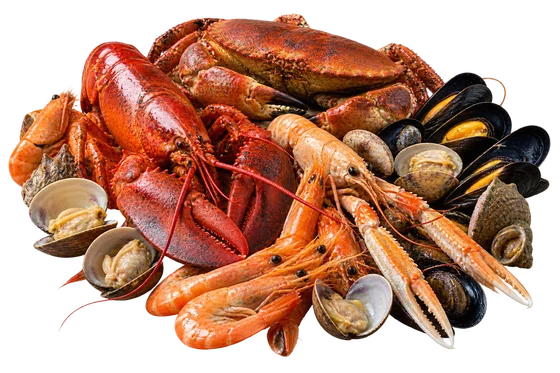
Mariscada
A platter of shellfish from the ría: crabs, prawns, razor clams and oysters, boiled and served together.
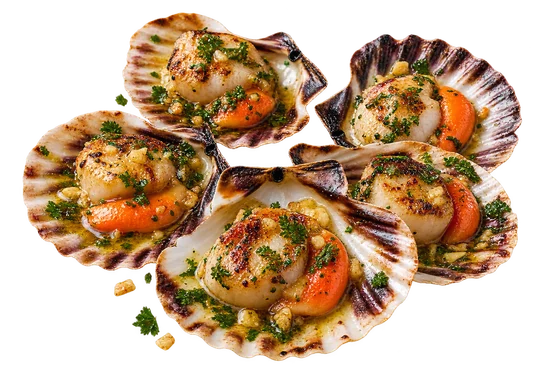
Zamburiñas a la plancha
Small scallops cooked on the griddle in their shells, with garlic and parsley.
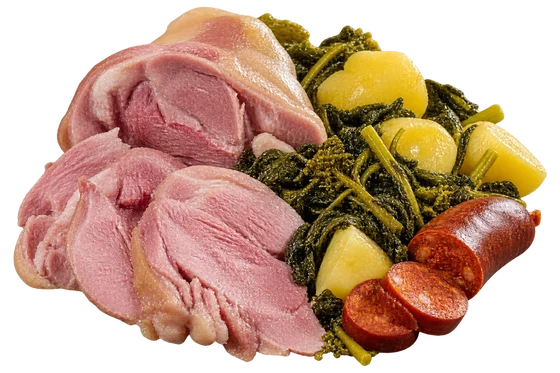
Lacón con grelos
Salted pork shoulder boiled with turnip tops, potatoes and chorizo.
Festivals in Vigo
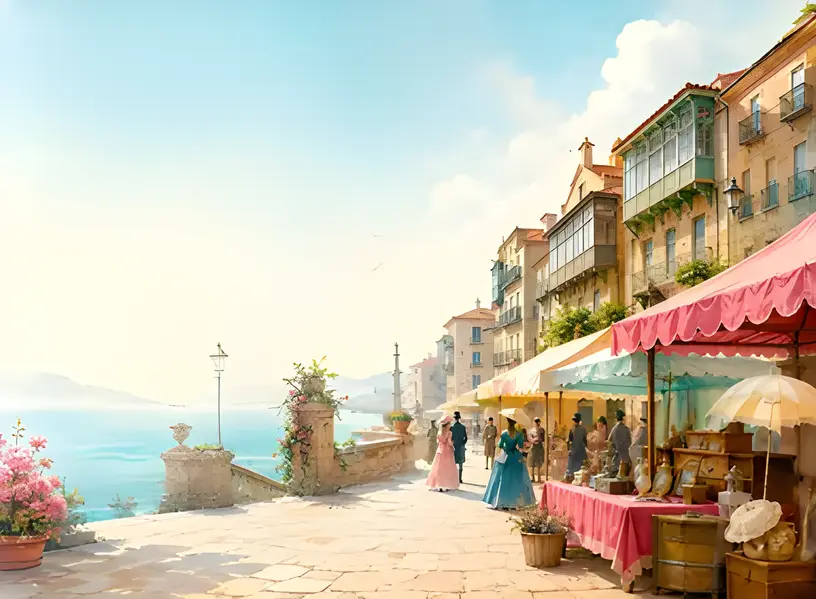
Festa da Reconquista
the end of March
The city reenacts the night of 1809 when it drove out the French: period market, 19th-century clothes and the Casco Vello in arms.
What to see in Vigo
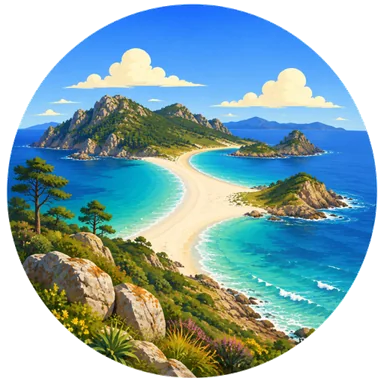
Islas Cíes
Three islands at the mouth of the ría, with a beach that the Romans called the island of the gods.
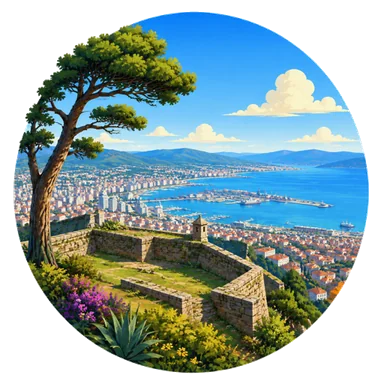
O Castro
The fortress on the hill, built after Drake's raids, above the remains of the Celtic castro.
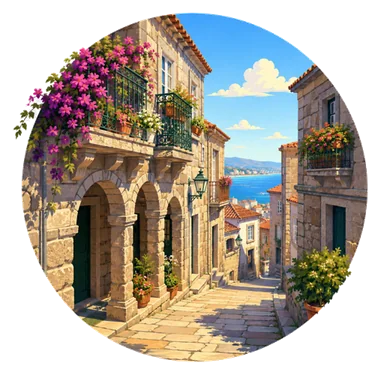
Casco Vello
The old quarter above the port, with its uphill streets and oyster stalls.
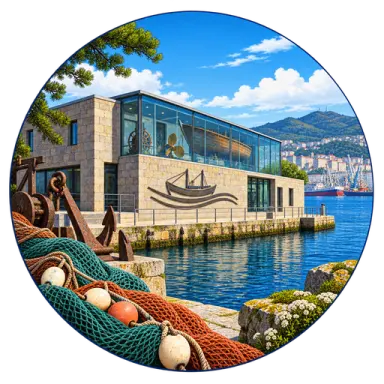
Museo do Mar
The sea museum in an old cannery, on the shore of the ría.
Where Vigo comes from
The largest fishing port in Europe
Castreña era
The castro
A fortified village on the hill overlooking the ría.
1585 and 1589
Drake
Francis Drake sacks the town twice: hence the fortifications on the Castro.
19th century
Canneries
Fish canneries make the city grow along the ría.
20th century → today
The port
It becomes one of the most important fishing ports in Europe, and the car industry arrives.
Want to learn Spanish by travelling across Spain?
In Aula every lesson is a city lighting up on the map — Vigo is one of them. Two hundred lessons from A1 to C2, free, starting from your level.
Start from Vigo →