 Aula· Spain, city by city
La Rioja
Logroño
«Logroño es famosa por las tapas en la calle Laurel.»Logroño is famous for the tapas on Calle Laurel.
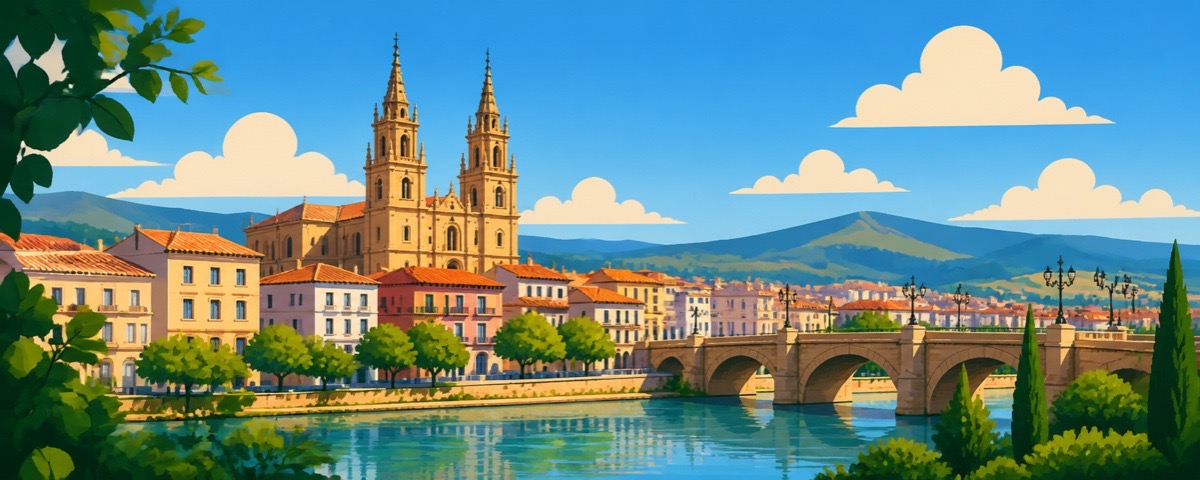
Logroño is the capital of La Rioja and stands on the right bank of the Ebro, at the point where the river could be forded. It is a medium-sized city that grew first around the Way of St. James and later around the wine trade, with its historic centre nestled between the stone bridge and the streets where people eat standing up.
Did you know
A battle fought with wine.
Every year in June, the city celebrates the Batalla del Vino, in which thousands of people get soaked while drinking and throwing hectolitres of red wine at each other.
How they talk in Logroño
«Golmajería» is a Riojan word for sweets or delicacies, while «zurracapote» refers to a drink based on wine and fruit. «Chiquiteo» describes the round of small glasses of wine between several «bares».
golmajería
Confectionery, sweets, or a collection of treats. Used to talk about sweets and pastry preparations from the Riojan tradition.
Everyday life in Logroño
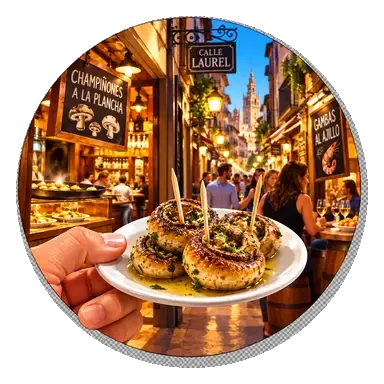
The «calle Laurel» one pintxo per bar
A street and its side streets with more than fifty bars, and each one makes only one thing: here the grilled mushroom, there the basket of prawns. You go in, you take that, you go out.
«Un champi y un crianza.» — A champi and a crianza.
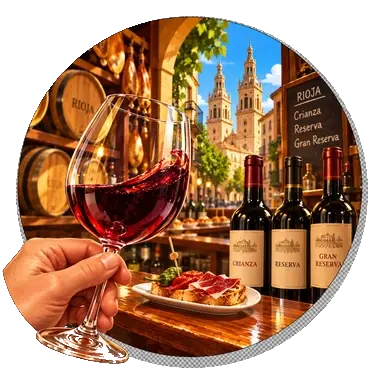
The «Rioja» is drunk by years of ageing
At the bar you don't order a grape variety but a time: crianza, reserva, gran reserva. It is something you learn as a boy, and those who get it wrong are recognised immediately.
«Un crianza, por favor.» — A crianza, please.
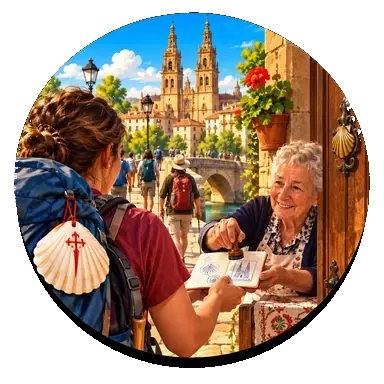
The «Camino» crosses the city
Pilgrims enter from the stone bridge and pass in front of the cathedral: there is a lady who has been stamping credentials on her doorstep for decades, and it has become a stop.
«¿Me sella la credencial?» — Will you stamp my credential?
What to eat in Logroño
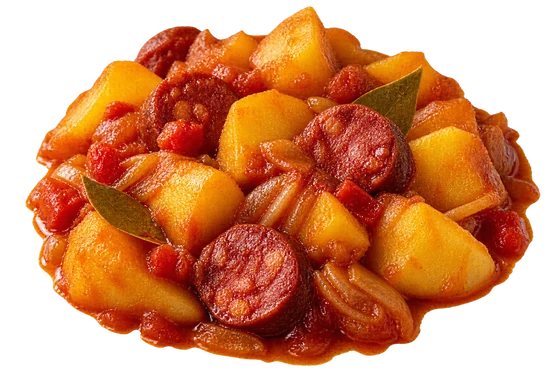
Patatas a la riojana
Potatoes broken by hand cooked with chorizo and dried pepper: they are broken and not cut, to let the starch out.
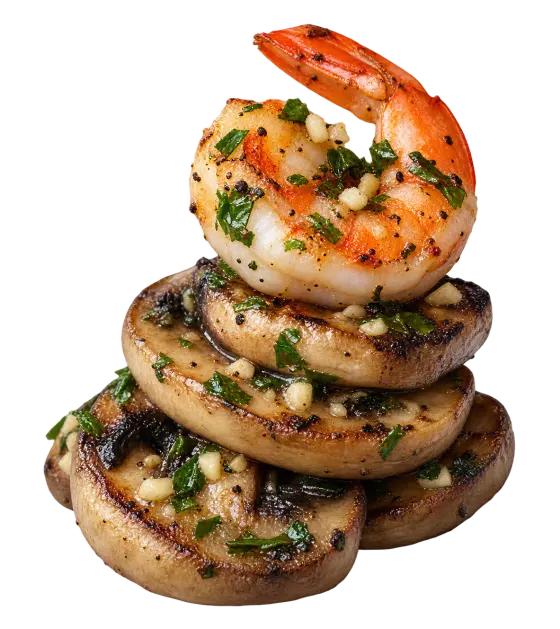
Champiñones
Grilled mushrooms with garlic and parsley, served in a tower with a prawn skewered on top.
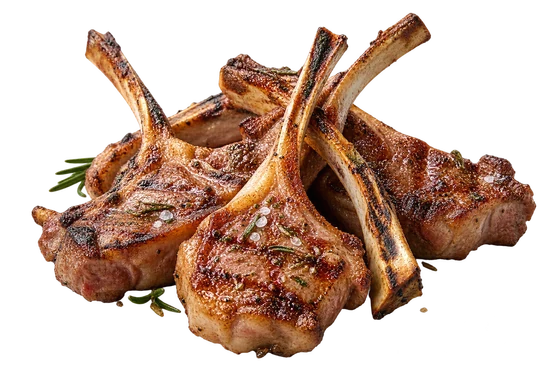
Chuletillas al sarmiento
Lamb chops grilled over dry vine shoots, which burn quickly and provide the aroma.
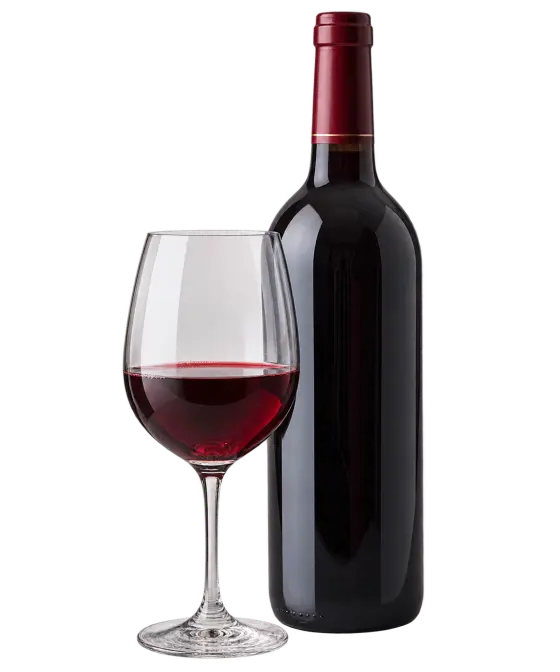
Vino de Rioja
Tempranillo red aged in oak barrels: crianza, reserva or gran reserva according to the years.
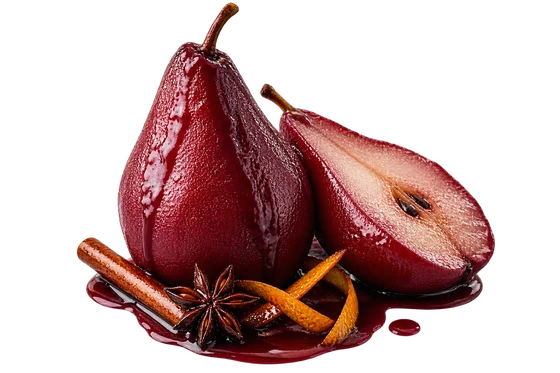
Peras al vino de Rioja
Pears cooked slowly in red wine with sugar and cinnamon, until they become dark and glossy.
Festivals in Logroño
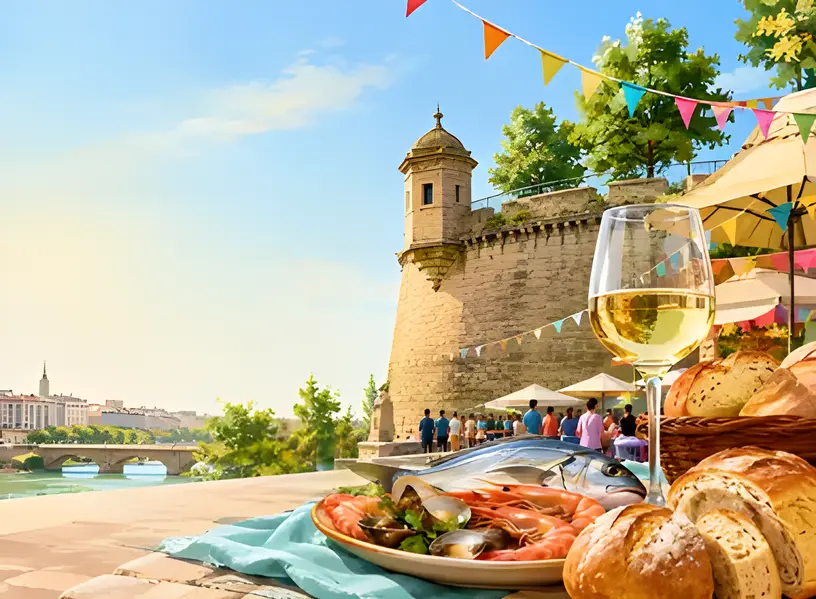
San Bernabé
11 June
Fish, bread and wine are distributed in memory of the siege of 1521, when the city resisted by eating what was left.
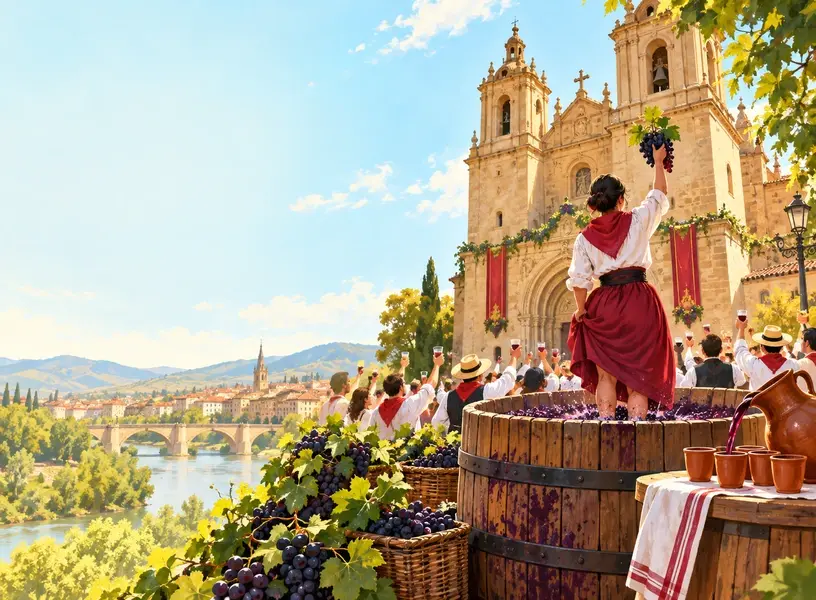
San Mateo y Fiesta de la Vendimia
the week of 21 September
The first bunch of grapes is pressed in front of the church and the must is offered: from there the Rioja begins to harvest.
What to see in Logroño
Calle Laurel
Two hundred metres with more than fifty bars, and each bar makes only one dish, its own, for decades.
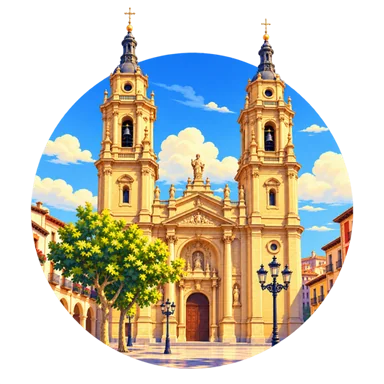
Concatedral de la Redonda
The Baroque church with two twin towers, which bears the name of a round church that no longer exists.
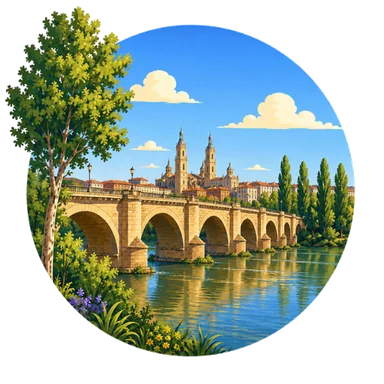
Puente de Piedra
The bridge over the Ebro with seven arches, over which the Camino de Santiago passes.
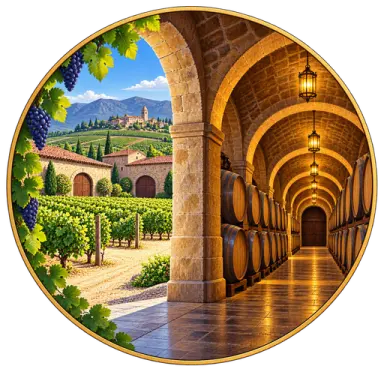
Museo de La Rioja
The museum of the region inside the Espartero palace, from prehistory to wine.
Where Logroño comes from
Born on a ford, grown with wine
Roman era
Vareia
The Roman city is a few kilometres away, where the Ebro begins to be navigable.
1095
The fuero
Alfonso VI gives it the fuero: the city is born on the ford of the Ebro, a stop on the Camino de Santiago.
16th century
The frontier
Fortified against Navarre and France: the stone bridge and the walls date from then.
19th century → today
The wine
Phylloxera ruins the French vineyards and Bordeaux producers arrive here, bringing the barrels.
Want to learn Spanish by travelling across Spain?
In Aula every lesson is a city lighting up on the map — Logroño is one of them. Two hundred lessons from A1 to C2, free, starting from your level.
Start from Logroño →