 Aula· Spain, city by city
Murcia
Yecla
«Yecla produce excelentes vinos tintos con denominación de origen.»Yecla produces excellent red wines with designation of origin.
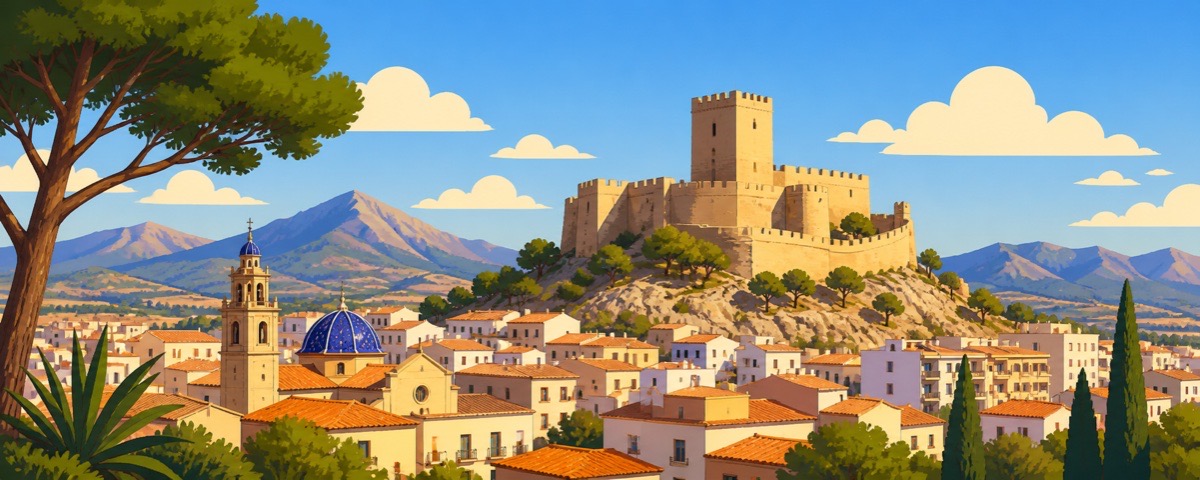
Yecla is located at the northern end of the Murcia region, on a plateau bordering the Valencian Community and Castile-La Mancha. The city's economy relies on furniture manufacturing and wine production, and the urban centre is gathered at the foot of the cerro del Castillo, with the sanctuary at the top.
Did you know
Cave paintings on Monte Arabí.
On the nearby Monte Arabí, there are prehistoric cave paintings and curious eroded rock formations called karst cavities.
How they talk in Yecla
The Murcian of the plateau retains the aspiration of the «s» but has a different rhythm from the coast. «Libricos» is a gastronomic word almost inseparable from Yecla and indicates the sweet with very thin layers.
acho
Hey; friend; boy, as a call or interjection. In informal speech it calls the interlocutor or introduces surprise, protest, complicity, and other reactions according to the intonation.
Everyday life in Yecla
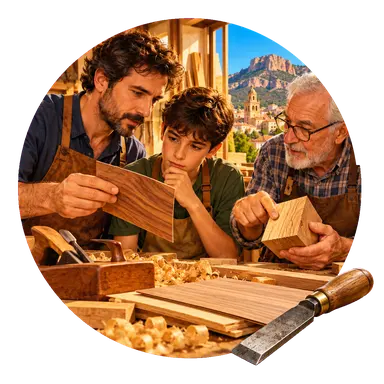
Furniture is the trade
Half of the companies in the town work with wood, and the furniture fair brings buyers here from all over Europe. It is a job that is inherited, and those who grow up in Yecla know how to distinguish a veneer.
«Aquí casi todos trabajan la madera.» — Here almost everyone works with wood.
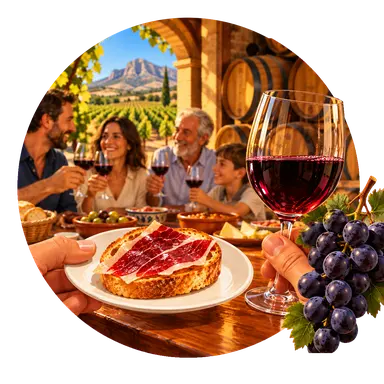
The «monastrell» in every cellar
The Monastrell grape gives a dark and warm wine, and almost all the wineries around the town can be visited. At the table, that is what is drunk, and asking for anything else is surprising.
«Un tinto de monastrell, por favor.» — A Monastrell red, please.
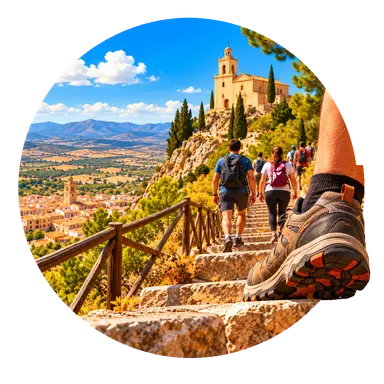
The climb to the «Castillo»
The sanctuary at the top of the hill is reached on foot from the town, and people go up on Sunday mornings. From up there, you can see the plain as far as the Valencian sierras.
What to eat in Yecla
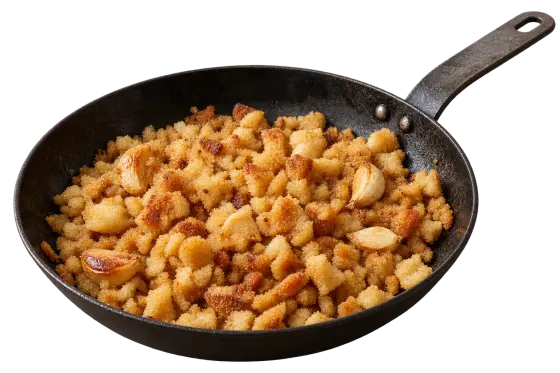
Gachasmigas
Flour, water and oil worked in a pan with garlic until they come off in pieces. It is eaten from the pan, in a circle.
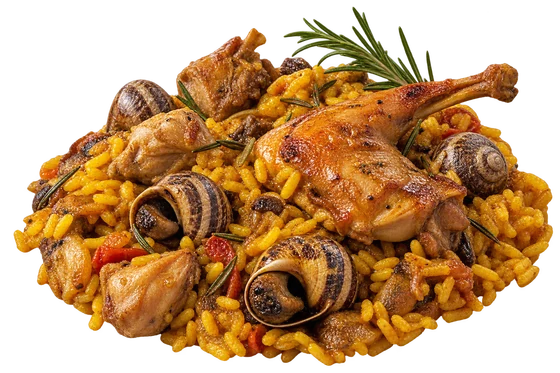
Arroz con conejo y caracoles
Dry rice with rabbit, snails and rosemary: the rice of those who don't have the sea.
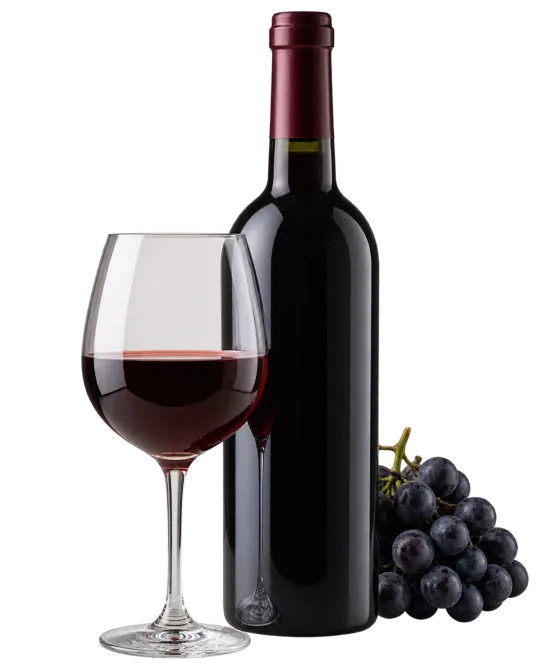
Vino Monastrell
The red wine of Yecla, made with the Monastrell grape: dark, warm, with low acidity.
Festivals in Yecla
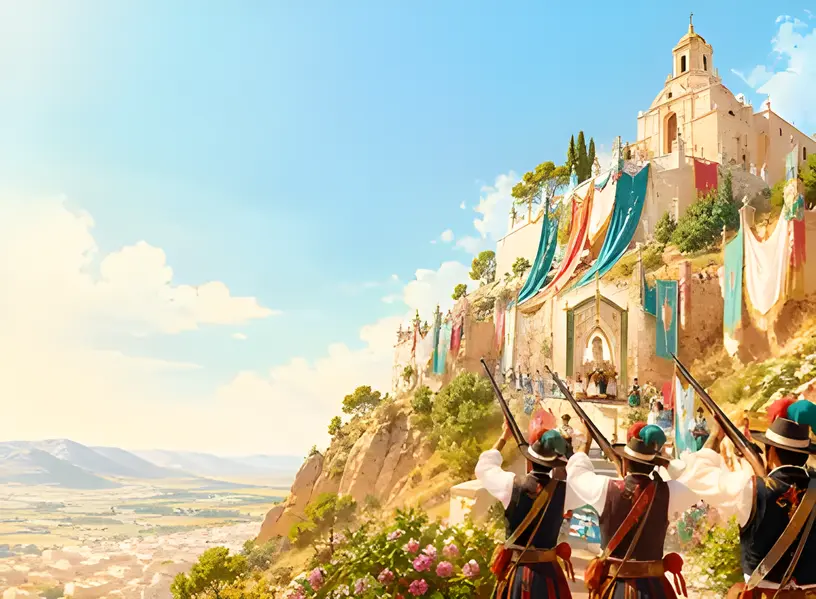
Fiestas de la Virgen del Castillo
from the 5th to the 8th of December
The «arcabuceros» fire blanks in the streets in a line, with uniforms and tricorn hats: the noise can be heard from outside the town.
What to see in Yecla
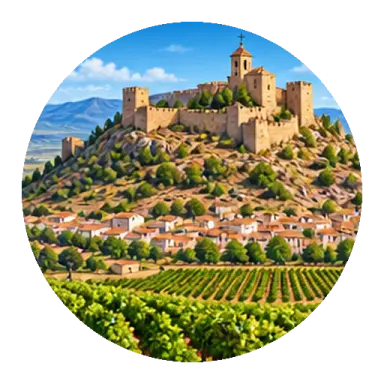
Santuario del Castillo
The sanctuary built inside the ruins of the castle, on the hill above the town.
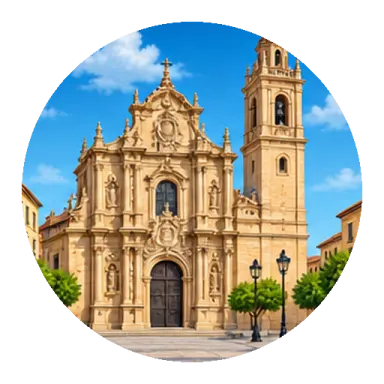
Basílica de la Purísima
Neoclassical church with a central plan, with a dome of blue «azulejos» that can be seen from kilometres away.
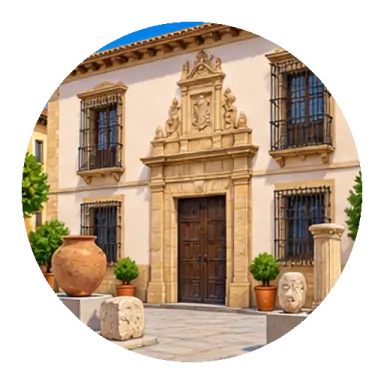
Museo Arqueológico Cayetano de Mergelina
The Iberian sculptures of the Cerro de los Santos and the ceramics from the surrounding settlements.
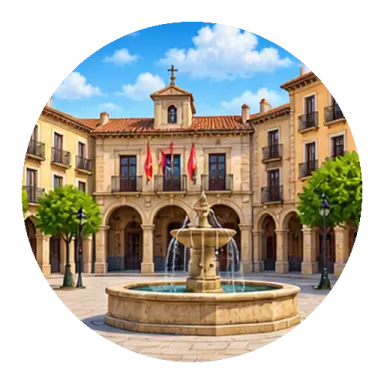
Plaza Mayor
The old square on a slope, with the 16th-century town hall and the clock tower.
Where Yecla comes from
Between three regions, on the plateau
Iberian era
The Cerro de los Santos
An Iberian sanctuary a few kilometres away, from which famous sculptures come.
8th–13th century
Yakka
Muslim settlement on the side of the hill, below the fortress.
1265
The conquest
It passes to Castile and remains a border point between three kingdoms.
19th century → today
Furniture and wine
Woodworking and Monastrell vineyards support the economy.
Want to learn Spanish by travelling across Spain?
In Aula every lesson is a city lighting up on the map — Yecla is one of them. Two hundred lessons from A1 to C2, free, starting from your level.
Start from Yecla →