 Aula· Spain, city by city
Navarra
Barañáin
«Barañáin es una ciudad residencial muy cerca de Pamplona.»Barañáin is a residential city very close to Pamplona.
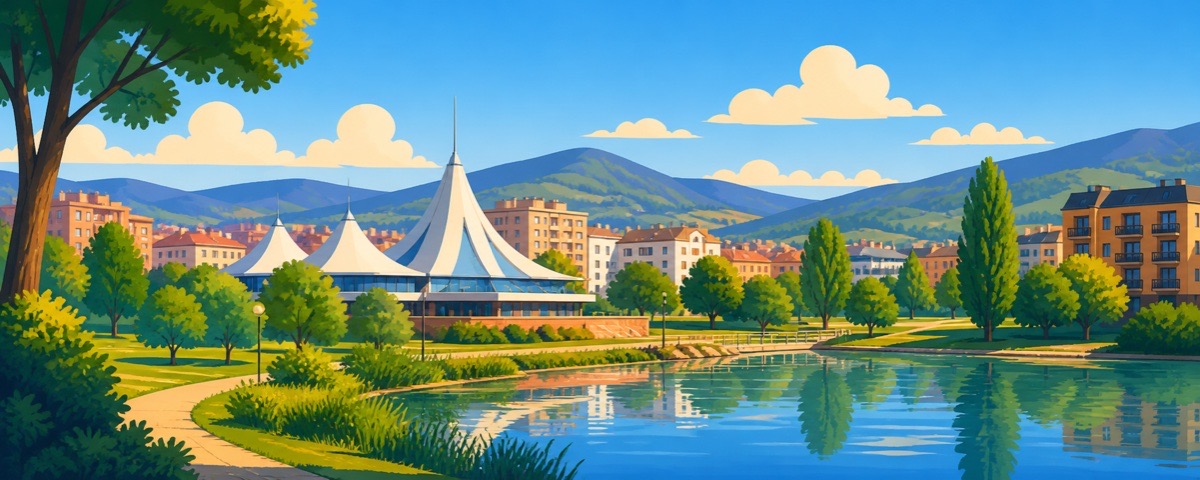
Barañáin borders Pamplona directly to the west and is one of the most densely populated municipalities in Spain. It was an agricultural village until the 1960s, when a neighbourhood was built from scratch next to its old church to accommodate the capital's growth; it has been an autonomous municipality since 1984.
Did you know
Under the new city, prehistory.
Despite being a modern town, its territory is home to archaeological remains that testify to human settlements dating back to prehistory.
How they talk in Barañáin
Castilian and Euskera coexist on signage and «Barañain» is the Basque form of the name. «Pintxo» and «poteo» are part of the social lexicon of the metropolitan area.
auzolan
Community or neighborhood work done together. Basque term for a practical collaboration in which the inhabitants contribute to the good of the neighborhood or the town.
Everyday life in Barañáin
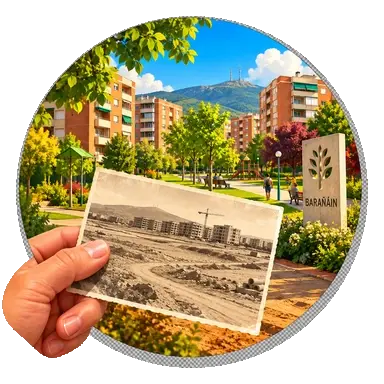
A town built from scratch
Barañáin was born in the sixties as a dormitory town for Pamplona and became a municipality in 1984: it is entirely made up of buildings from that era, with parks in between, and has no historic centre.
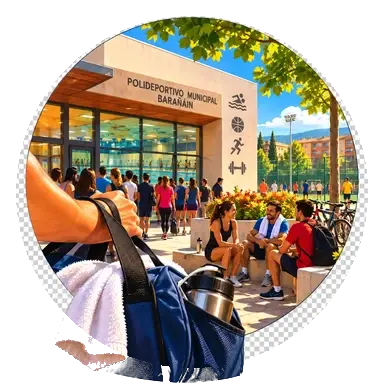
The «Polideportivo» as a square
The municipal sports centre is the point where the city meets: swimming pool, pitches and gym, with queues of members in September. In a town without an ancient square, that is the meeting place.
«Nos vemos en el polideportivo.» — See you at the sports centre.
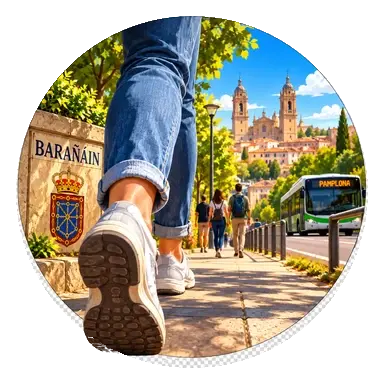
Walking to Pamplona
The border with the capital is a road: you can walk to the centre in half an hour or take the urban bus in ten minutes, and many barañaindarras work over there.
«Se va andando a Pamplona en media hora.» — You can walk to Pamplona in half an hour.
What to eat in Barañáin
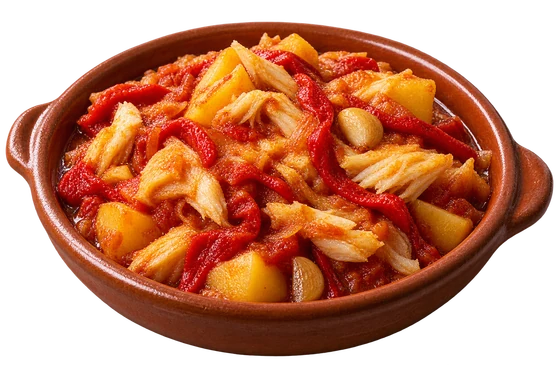
Ajoarriero
Salt cod with garlic, tomato, potatoes and peppers, cooked slowly in a pan.
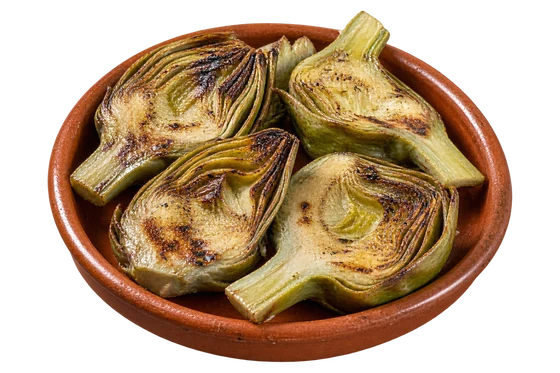
Alcachofas de Tudela
Tender artichokes from the Ribera, cooked plain or grilled.
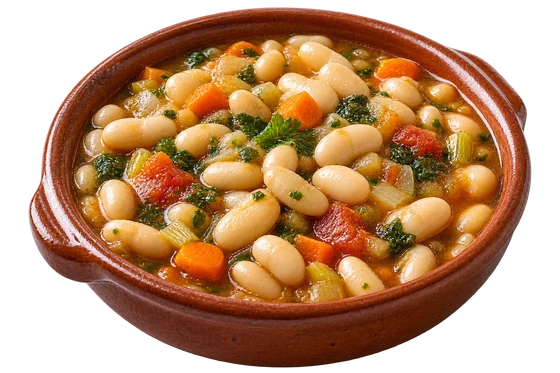
Pochas
Fresh white beans cooked with vegetables or clams.
Festivals in Barañáin
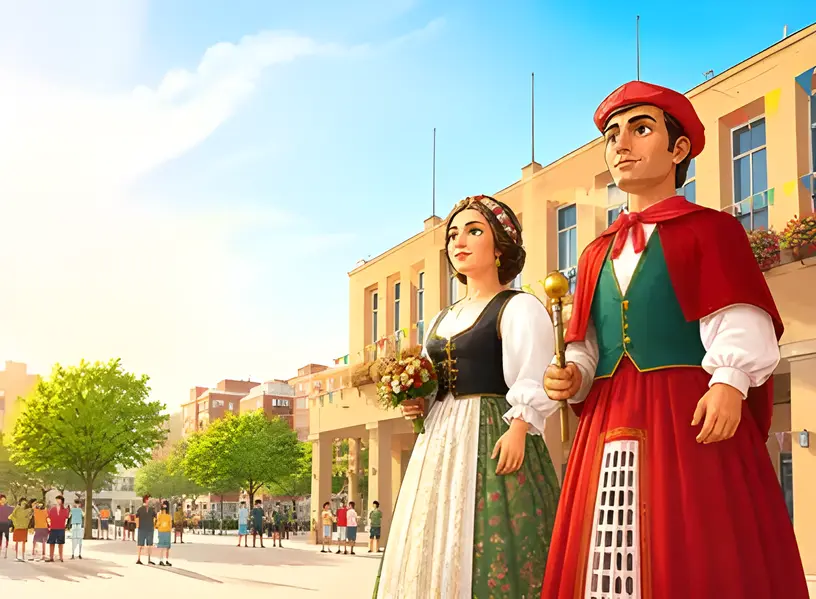
Fiestas de Barañáin
the end of June
The parade of giants travels through the neighbourhoods built in the sixties, which for one week become a single town.
What to see in Barañáin
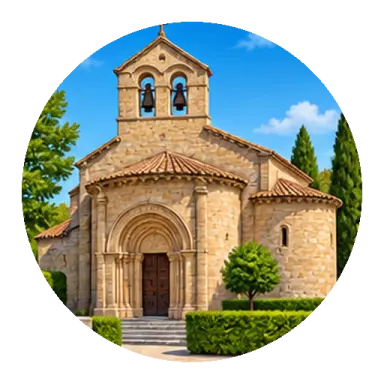
Iglesia de San Esteban
The church of the old village, which remained in the middle of the apartment blocks built around it.
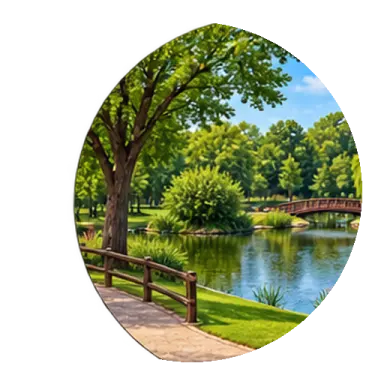
Parque de Lorenea
The town's large park, with the lake and paths.
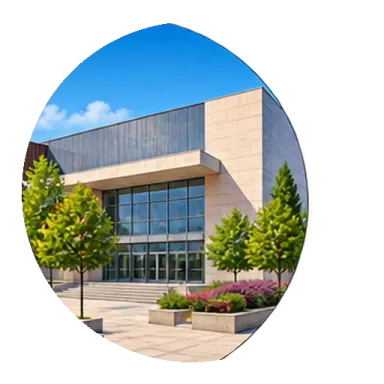
Auditorio Barañáin
The municipal auditorium, with a season that brings in companies from outside.
Where Barañáin comes from
A town built in twenty years
Middle Ages
The village
A small agricultural settlement at the gates of Pamplona, with its church.
1964
The plan
It is decided to build a new neighbourhood for the growth of the capital.
1984
The municipality
It separates from Pamplona and becomes a municipality in its own right.
Today
The belt
It is one of the densest municipalities in Spain: almost all the inhabitants in a few square kilometres.
Want to learn Spanish by travelling across Spain?
In Aula every lesson is a city lighting up on the map — Barañáin is one of them. Two hundred lessons from A1 to C2, free, starting from your level.
Start from Barañáin →