 Aula· Spain, city by city
País Vasco
Basauri
«Basauri tiene una gran tradición industrial y obrera.»Basauri has a great industrial and working-class tradition.
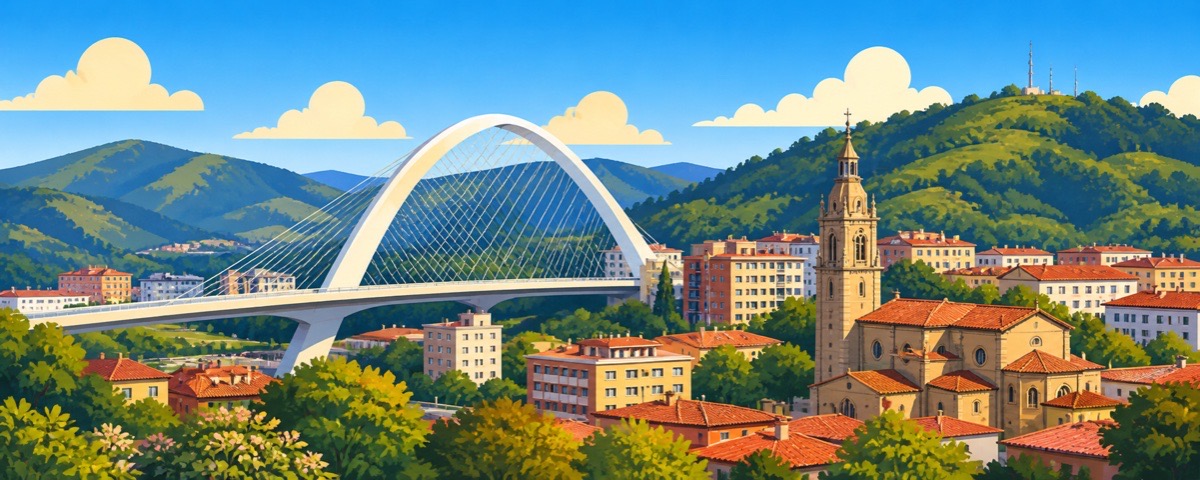
Basauri is located in the Nervión valley, just upstream from Bilbao, in a narrow basin enclosed by mountains. Having grown with heavy industry between the 19th and 20th centuries, it preserves a medieval tower-house among the buildings, the only one remaining of those built for the wars between Basque families.
Did you know
A sixteenth-century tower among factories
The historic Ariz Tower, dating from the 16th century, is one of the few ancient buildings that survived the massive industrialisation of the 20th century.
How they talk in Basauri
«Basauritarra» is the Basque demonym. «Poteo» and «pintxo» are part of the common social lexicon in the Bilbao metropolitan area.
agur
Greeting used to take leave and, depending on the context, also to say hello. Short greeting formula in Basque, very recognizable in the daily life of the Basque Country.
Everyday life in Basauri
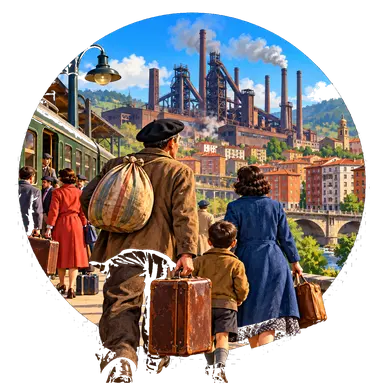
The factory made the village
Basauri grew around the steelworks and rolling mills in the fifties, with immigration from all over Spain: the neighbourhoods are from that time, and the families come from half the peninsula.
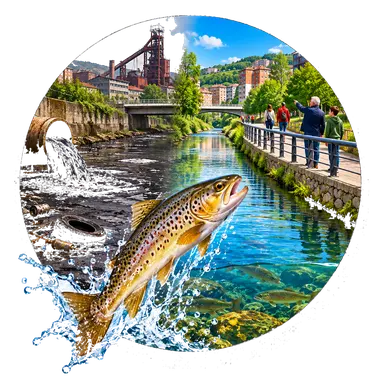
The «Nervión» polluted and then cleaned up
The river that crosses the municipality was black and lifeless until the nineties: today you can see fish in it and walk beside it, and it is a change that those of a certain age talk about.
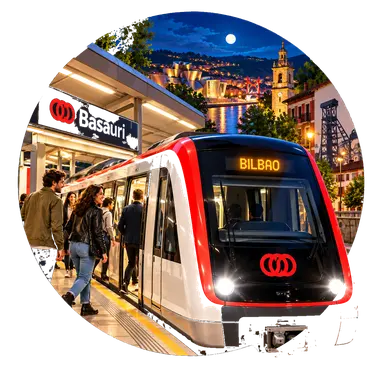
The metro in seven minutes
The line that leads to Bilbao has made the village a part of the city: you go out for dinner in the centre and come back with the last train, and at the weekend the metro runs all night.
«Cojo el metro y en siete minutos estoy.» — I take the metro and in seven minutes I am there.
What to eat in Basauri
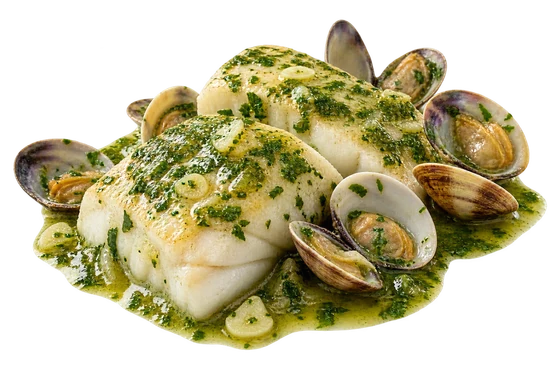
Merluza en salsa verde
Hake cooked slowly in oil with garlic, parsley and clams, with the sauce that thickens on its own.
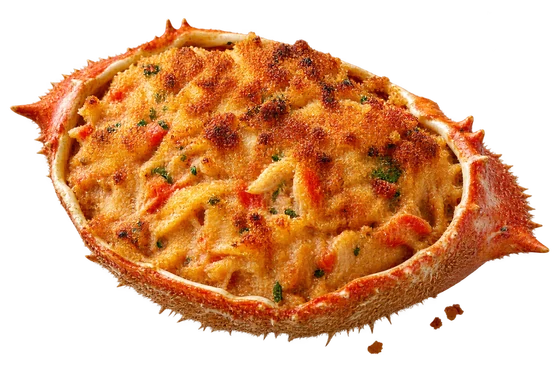
Txangurro
Spider crab shelled and cooked with onion, tomato and brandy, and put back into the shell.
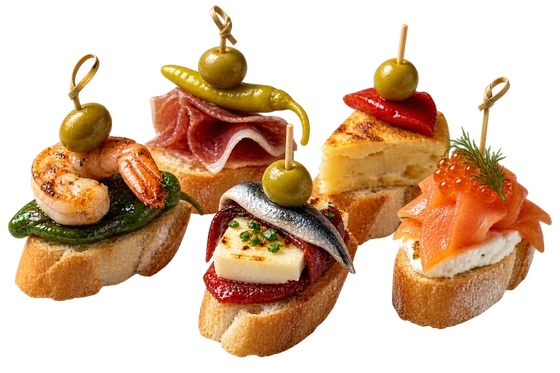
Pintxos
Bites on a slice of bread with a cocktail stick, taken from the bar.
Festivals in Basauri
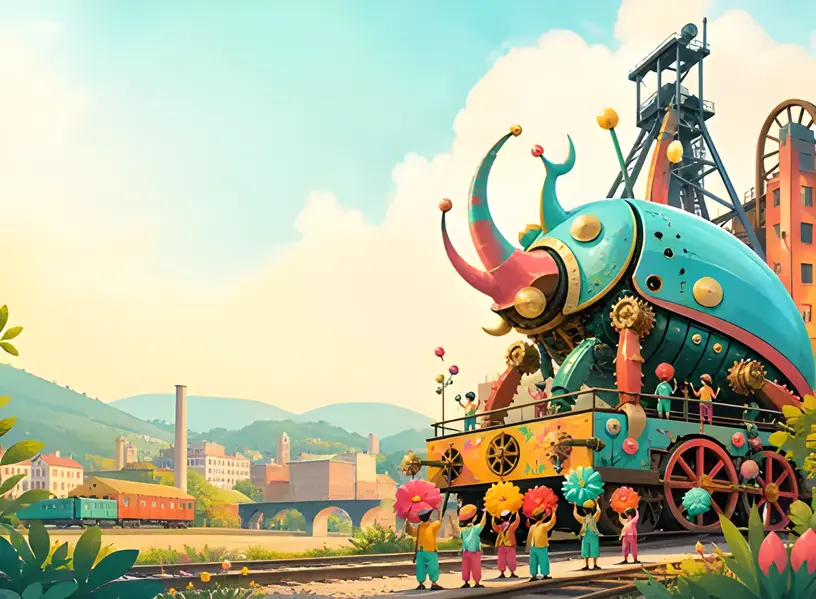
San Fausto
around 13 October
The «Eskarabillera», the woman who collected coal that fell from trains, is the symbol of the festival: it was the local trade.
What to see in Basauri
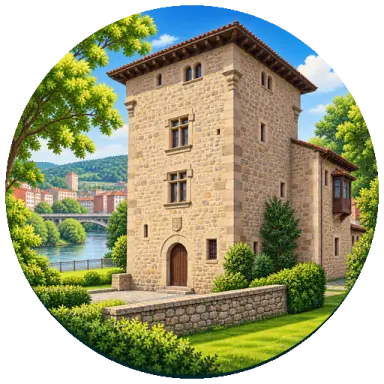
Torre de Ariz
A 14th-century tower-house that remained standing in the middle of the industrial city.
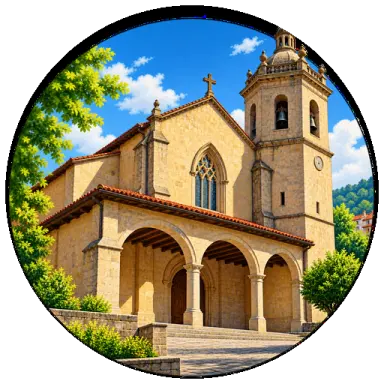
Iglesia de San Miguel
The church of the old town, with the tower and the portico where assemblies were held.
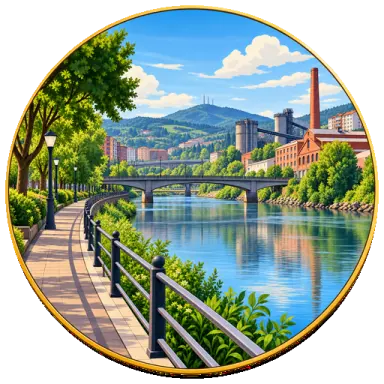
La ría del Nervión
The river bank, with the paths that connect Basauri to Bilbao.
Where Basauri comes from
A tower-house in the middle of industry
14th century
The tower-houses
Local families build the fortified towers of the band wars.
19th century
The railway
The Bilbao-Tudela line passes next to it and brings the first workshops.
20th century
The industry
Steelworks and factories fill the valley: the village becomes a working-class city.
1980 → today
The reconversion
With the factories closed, the city reorganises itself around services.
Want to learn Spanish by travelling across Spain?
In Aula every lesson is a city lighting up on the map — Basauri is one of them. Two hundred lessons from A1 to C2, free, starting from your level.
Start from Basauri →