 Aula· Spain, city by city
País Vasco
Bilbao
«Bilbao es famosa por el museo Guggenheim de arte moderno.»Bilbao is famous for the Guggenheim museum of modern art.
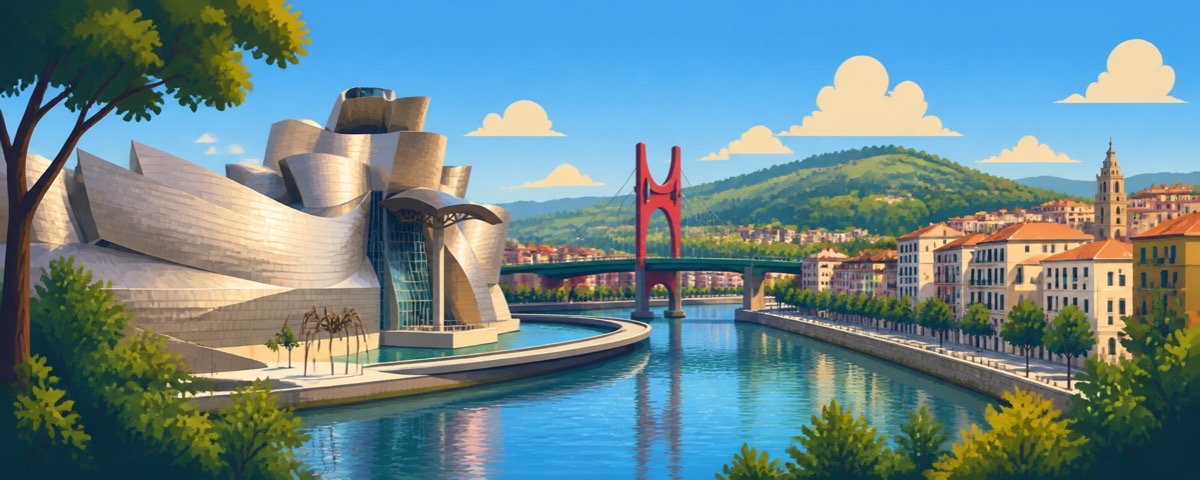
Bilbao is located inside an estuary that connects it to the sea for about ten kilometres, enclosed between green hills. Born as a commercial port in 1300 and later becoming the industrial capital of the north, it closed its blast furnaces at the end of the 20th century and rebuilt the river banks around the Guggenheim.
Did you know
The flower dog was meant to be temporary.
The famous Puppy sculpture covered in flowers outside the Guggenheim museum was meant to be temporary, but it was so well-liked that it remained forever.
How they talk in Bilbao
Euskera and Castilian coexist; «kaixo», «agur», «txikito» and «pintxo» also enter the local Castilian. «Botxo» is a nickname for Bilbao and literally means «hole», because the city is squeezed between mountains.
agur
Greeting used to take leave and, depending on the context, also to say hello. Short greeting formula in Basque, very recognizable in the daily life of the Basque Country.
Everyday life in Bilbao
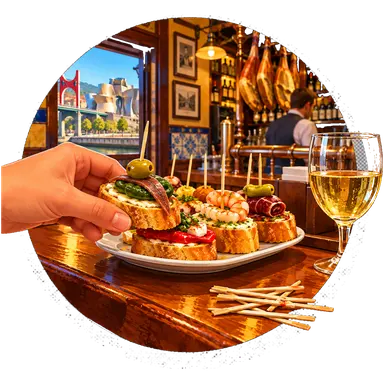
The «pintxos» with the stick
On the bars you see rows of crostini with everything on top, held together by a cocktail stick: you take what you want, keep the stick and at the end they are counted to pay.
«¿Cuántos palillos tienes?» — How many sticks do you have?
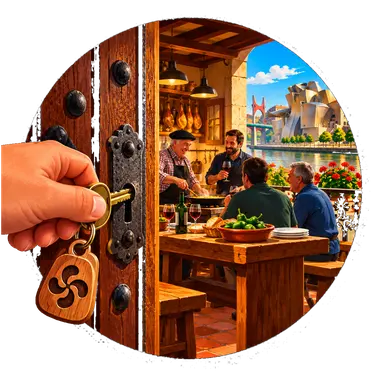
The «txokos» locked with a key
Gastronomic societies are private kitchens where members cook for themselves and for guests: they are not restaurants, they have no sign, and you only enter if someone brings you.
«Solo se entra si te invitan.» — You only enter if you are invited.
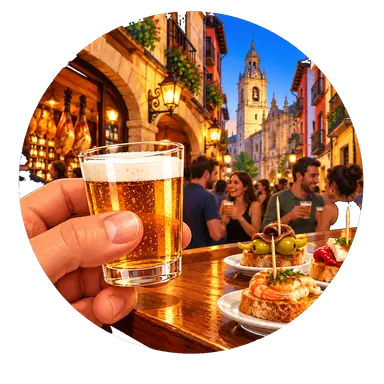
The «Siete Calles» on Thursday
In the old centre on Thursday night you go out for a tour of the bars: you drink a zurito, a small glass, so as not to get drunk while changing six venues in two hours.
«Un zurito, por favor.» — A small beer, please.
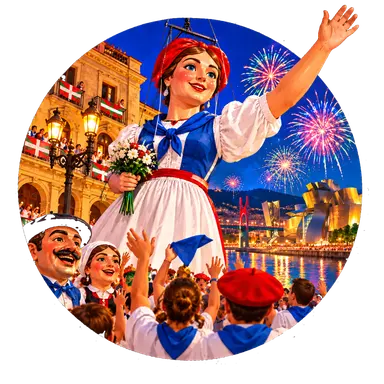
The «Aste Nagusia» in August
Nine days of festival with the giantess Marijaia hanging above the square, neighbourhood parades and fireworks on the ría every evening. At the end Marijaia is burned.
«Marijaia ya está colgada.» — Marijaia is already hanging.
What to eat in Bilbao
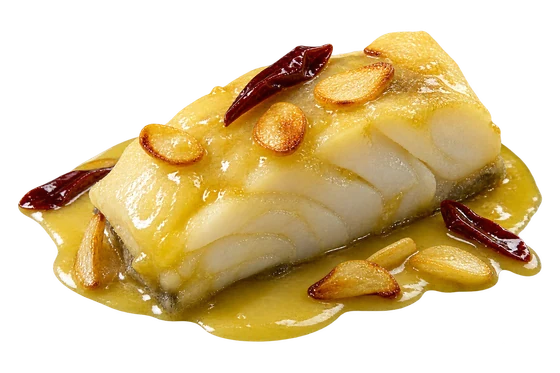
Bacalao al pil-pil
Salt cod cooked slowly in oil with garlic: by moving the pan the fish's gelatin binds the oil into a sauce. Nothing else goes in it.
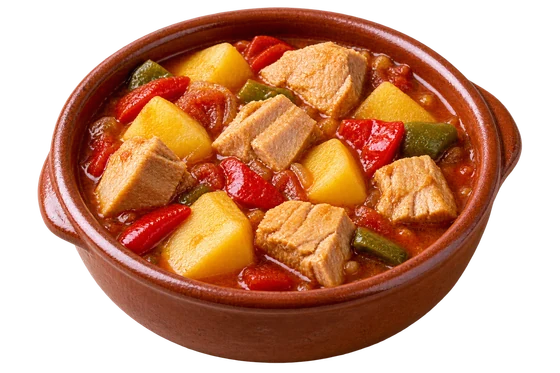
Marmitako
Tuna soup with potatoes, onion and «choricero» pepper, born on the fishermen's boats.
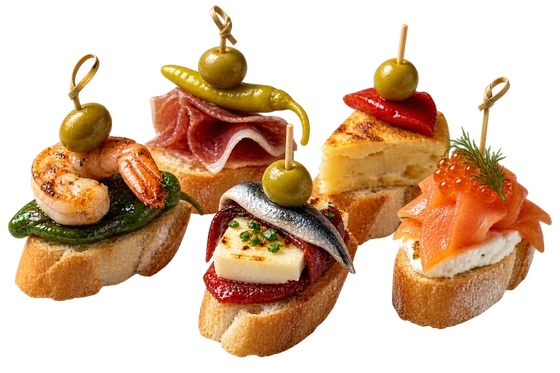
Pintxos
Bites balanced on a slice of bread, held by a cocktail stick. You take them from the bar and count the sticks at the end.
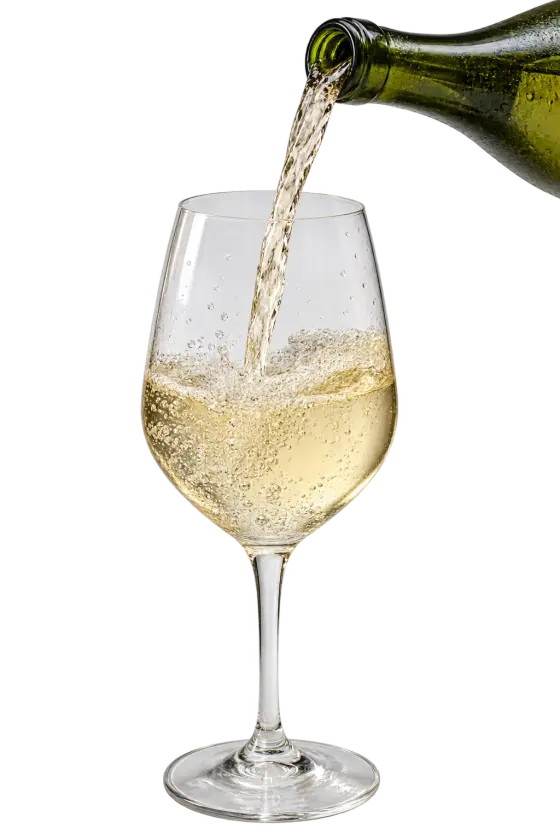
Txakoli
Local white wine, acidic and with a hint of fizz, poured from high up to wake it up.
Festivals in Bilbao
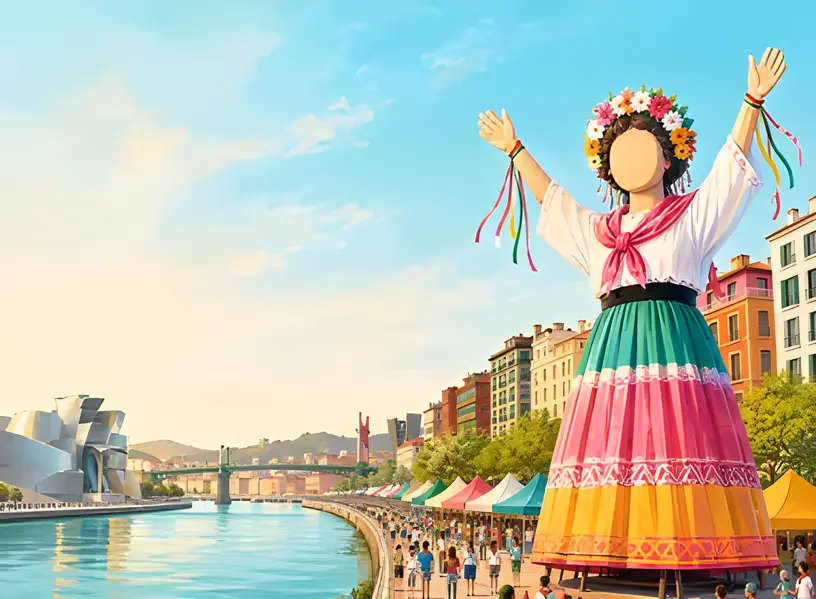
Aste Nagusia
the nine days from the Saturday after 15 August
Marijaia, the giantess with her arms raised, remains hanging above the square for the whole week and at the end is burned on the ría.
What to see in Bilbao
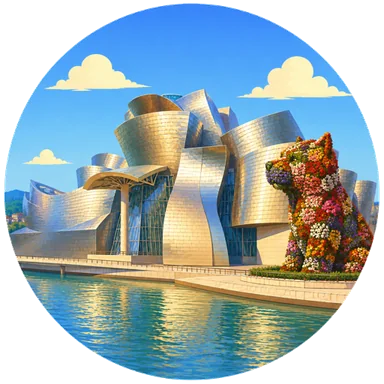
Museo Guggenheim
Frank Gehry's 1997 building, covered in titanium plates that change colour with the light.
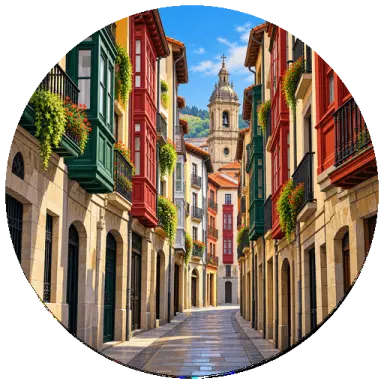
Casco Viejo
The «Siete Calles», the seven streets with which the city was born in 1300 and where it remained for three centuries.
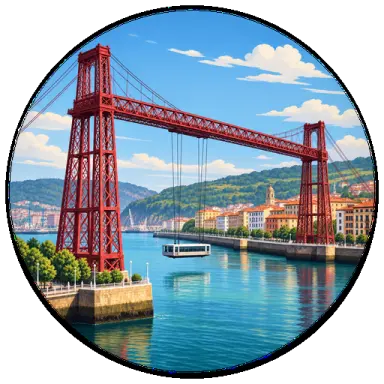
Puente de Vizcaya
The 1893 transporter bridge: a suspended gondola crosses the ría every eight minutes.
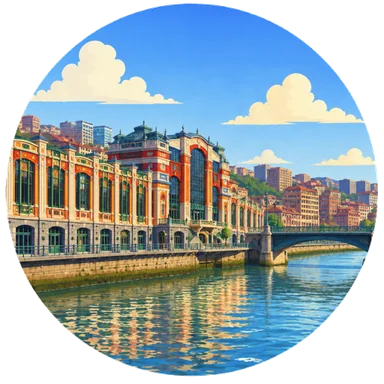
Mercado de la Ribera
The 1929 rationalist market, built in a curve on the river bank.
Where Bilbao comes from
From iron to titanium
1300
The foundation
Don Diego López de Haro gives it the foundation charter on the bank of the ría.
15th–19th century
The port
The iron from nearby mines and Castilian wool pass through here towards northern Europe.
19th century
The industry
Blast furnaces and shipyards fill the ría: it becomes the industrial capital of northern Spain.
1997
The Guggenheim
With the steelworks closed, Gehry's museum opens and turns the face of the city around.
Born here: Miguel de Unamuno, writer and philosopher.
Want to learn Spanish by travelling across Spain?
In Aula every lesson is a city lighting up on the map — Bilbao is one of them. Two hundred lessons from A1 to C2, free, starting from your level.
Start from Bilbao →