 Aula· Spain, city by city
Valencia
Alicante
«Alicante tiene el famoso castillo de Santa Bárbara sobre el monte.»Alicante has the famous Santa Bárbara castle on the mountain.
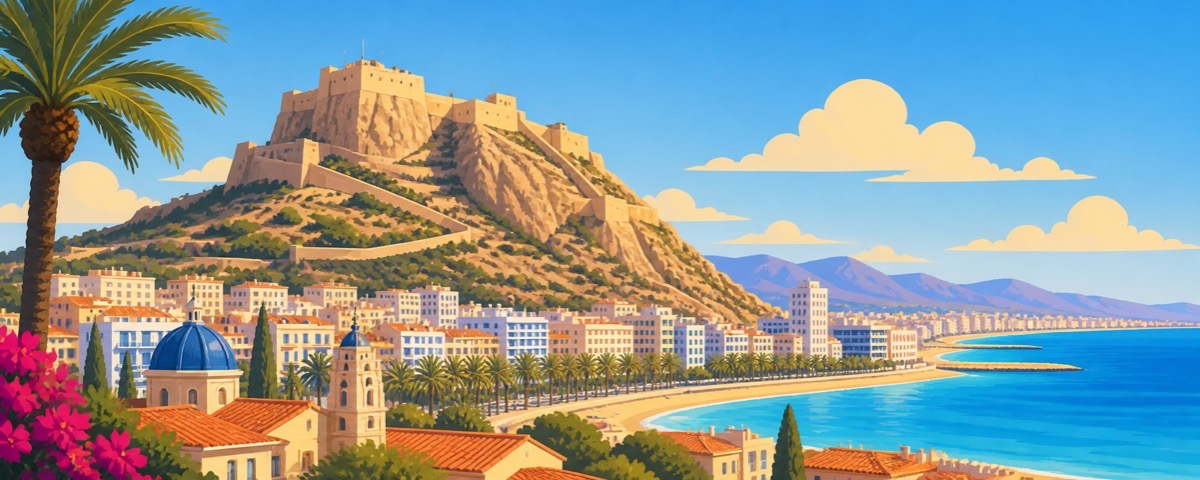
Alicante is the capital of its province and one of the main ports on the Mediterranean coast, enclosed at the rear by Mount Benacantil. On the summit of that rock stands the Santa Bárbara castle, while below, the city stretches between the port, the Explanada promenade, and the neighbourhoods that grew around Postiguet beach.
Did you know
Six million tiles for a wave.
The famous wavy pavement of the Explanada de España is composed of over six million two-tone marble tiles.
How they talk in Alicante
Castilian and Valencian coexist in the province, but in the city, Castilian is very present. «Bona vesprada» and «esmorzar» are Valencian words that still appear in public life and in the municipalities of the area.
xe
Interjection that can express surprise, enthusiasm, joy, or irritation. Used as an autonomous exclamation or to call attention, with a value determined by the tone and the situation.
Everyday life in Alicante
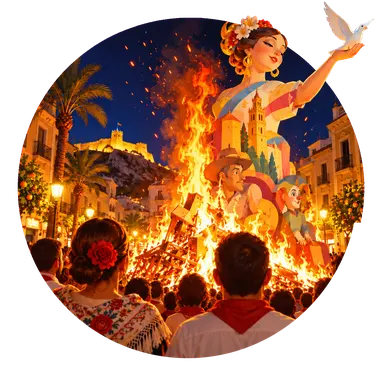
The «hogueras» of June
On the night of Saint John, cardboard figures built in the previous months are burned in the street, and the city stays awake until dawn. Every neighbourhood has its own, and those who build it do so for a year.
«¿Vas a ver la cremà?» — Are you going to see the cremà?
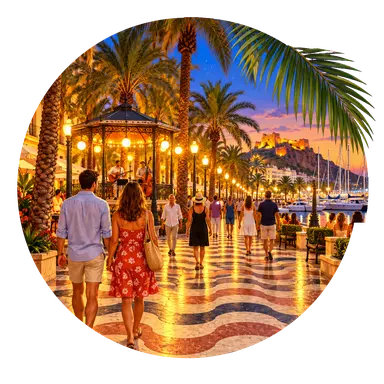
The «paseo» on the Explanada
The marble promenade in front of the port is the point where the city meets: you walk back and forth under the palm trees, in the evening, without going anywhere. The music kiosk still plays in summer.
«Damos una vuelta por la Explanada.» — Let's take a walk along the Explanada.
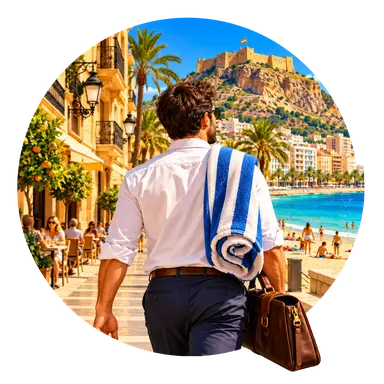
The beach is in the centre
The Postiguet is a five-minute walk from the main square, under the castle. You go there with a towel after work and go home on foot, without taking anything.
«Me voy al Postiguet un rato.» — I'm going to the Postiguet for a while.
What to eat in Alicante
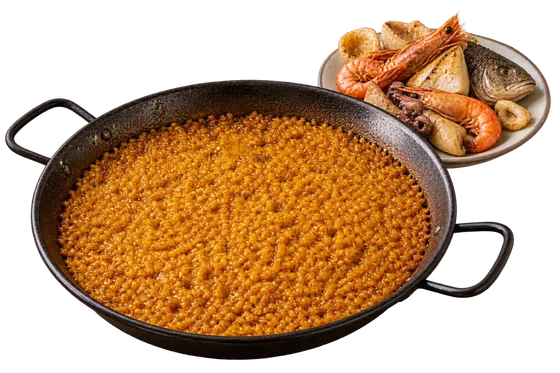
Arroz a banda
Rice cooked in rockfish broth, served on its own and yellow; the fish arrives separately, «a banda», with alioli.
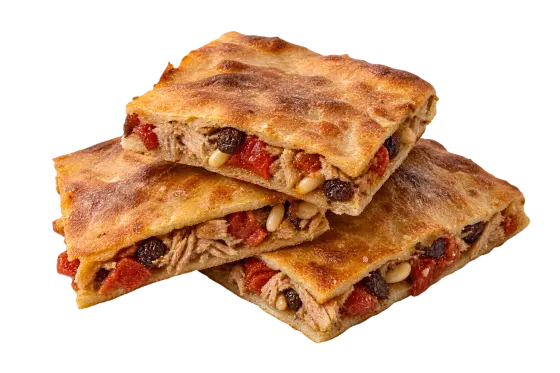
Coca amb tonyina
Thin flatbread filled with tuna, pine nuts, raisins and tomato, baked in the oven and cut into squares. You eat it with your hands, warm.
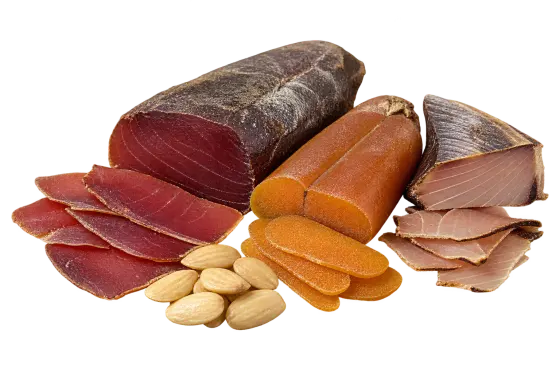
Salazones
Salted and dried fish: tuna «mojama», mullet «hueva», «bonito». It is sliced thinly and eaten with almonds and oil.
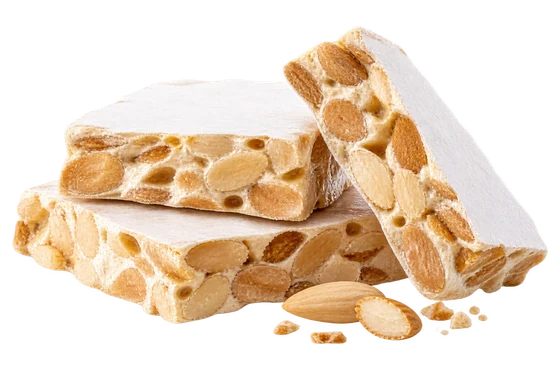
Turrón de Alicante
Hard almond and honey nougat, in tablets that you break; the Jijona one is soft and ground. It is made a few kilometres from here.
Festivals in Alicante
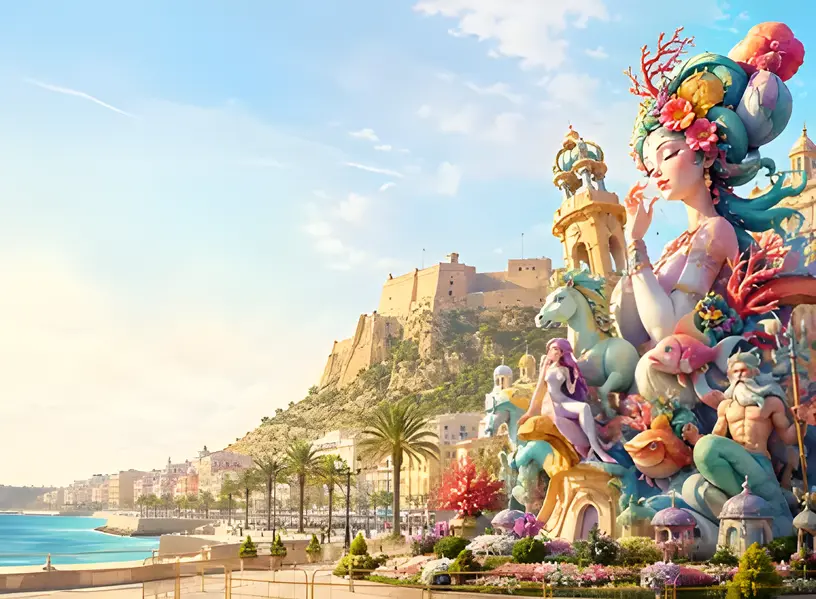
Hogueras de San Juan
from 20 to 24 June
Every neighbourhood builds its own papier-mâché «hoguera» and on the night of San Juan they burn them all together, then everyone goes down to the beach.
What to see in Alicante
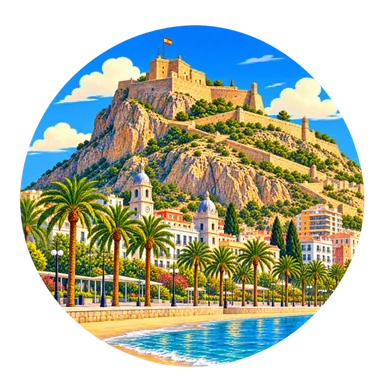
Castillo de Santa Bárbara
Fortress on the top of Mount Benacantil, 166 metres above the sea, of Islamic origin and expanded in the 16th century. You go up with a lift carved into the rock.
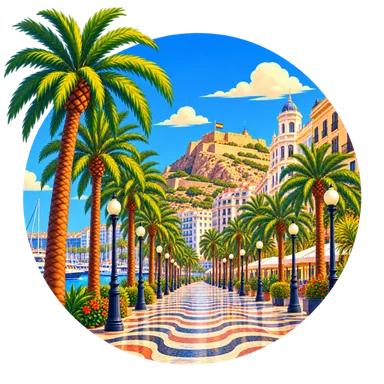
Explanada de España
Promenade along the port paved with six and a half million red, black and ivory marble tiles, arranged in a wave pattern.
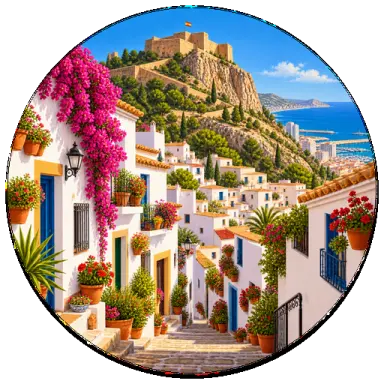
Santa Cruz
The neighbourhood under the castle: tiny white houses, stairs instead of streets, flower pots attached to the walls.
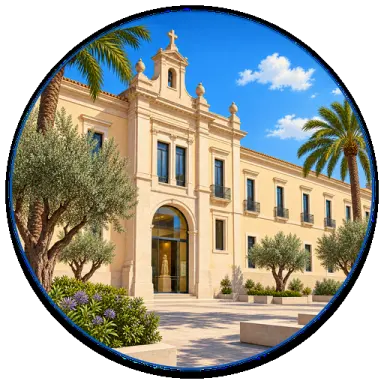
MARQ
The Provincial Archaeological Museum, in a former hospital, awarded as the best European museum in 2004: the rooms are reconstructions of excavations, not display cases.
Where Alicante comes from
The city of light
3rd c. BC
Akra Leuké
The Carthaginians found a settlement on the mountain: the name means «white stronghold».
1st c.
Lucentum
Roman municipality at the foot of the mountain, on the coastal road.
8th–13th c.
Laqant
Muslim city around the fortress on the stronghold.
1296
The conquest
James II annexes it to the kingdom of Valencia, after half a century of Castilian rule.
Want to learn Spanish by travelling across Spain?
In Aula every lesson is a city lighting up on the map — Alicante is one of them. Two hundred lessons from A1 to C2, free, starting from your level.
Start from Alicante →