 Aula· Spain, city by city
Valencia
Dénia
«Dénia es famosa por su excelente gamba roja y su puerto marítimo.»Dénia is famous for its excellent red prawn and its seaport.
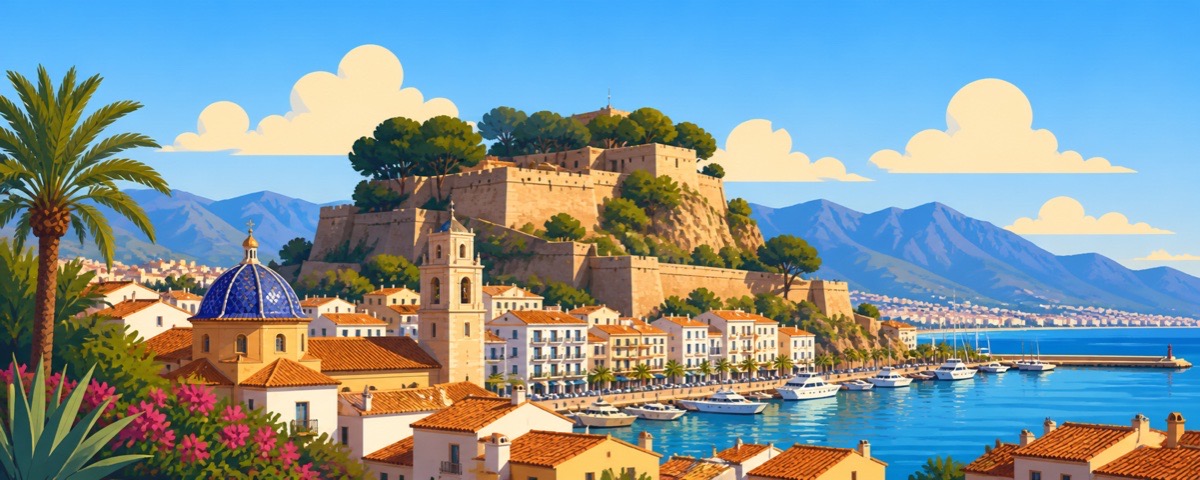
Dénia is located at the point where the Valencian coast is closest to the Balearic Islands, at the foot of the Montgó massif. Above the city stands the castle that marked its history as a port and stronghold, while below, the fishing port and the ferries to Ibiza coexist with a small-sized centre.
Did you know
UNESCO City of Gastronomy.
Dénia was named a Creative City of Gastronomy by UNESCO thanks to its excellent tradition linked to seafood products.
How they talk in Dénia
Valencian is very present and the dialect of the Marina Alta preserves maritime vocabulary and local forms. «Esmorzar» and «arròs» are words that are heard in daily life, not just on menus.
xe
Interjection that can express surprise, enthusiasm, joy, or irritation. Used as an autonomous exclamation or to call attention, with a value determined by the tone and the situation.
Everyday life in Dénia
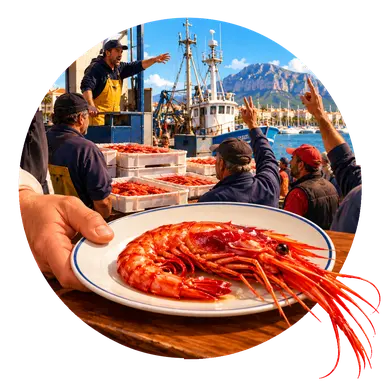
The «gamba roja» at auction
The red prawn is sold at auction in the port's fish market when the boats return, and the price changes every day. In restaurants, it is eaten with little salt and no side dish: if you add anything else, you cover it up.
«¿A cuánto está hoy la gamba roja?» — How much is the red prawn today?
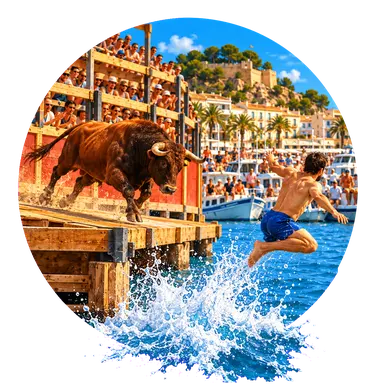
The «bous a la mar»
In July, an open square is built on the port and the bulls run towards the water: whoever provokes them ends up in the sea, and that is the part everyone waits for. It has been done for over a century.
«¿Bajamos a ver los bous a la mar?» — Shall we go down to see the bous a la mar?
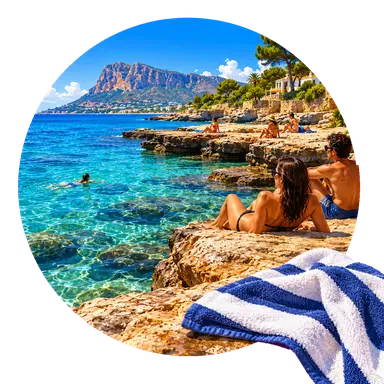
The «Rotes» without sand
The coast to the south has no beaches: it is flat rock, and you lie on it like on sand. The water remains transparent precisely because there is nothing to stir up.
«En las Rotes hay que llevar escarpines.» — At the Rotes you have to bring water shoes.
What to eat in Dénia
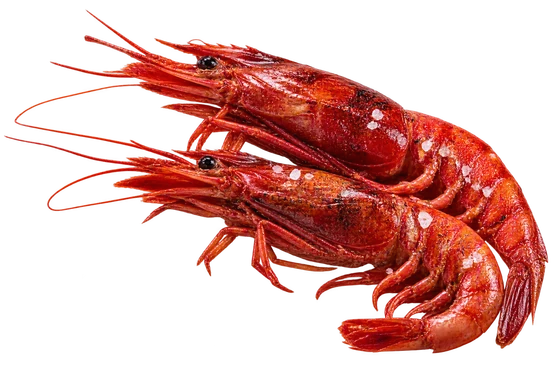
Gamba roja de Dénia
The red prawn caught offshore, sweet and firm. It is grilled with little salt, or eaten raw.
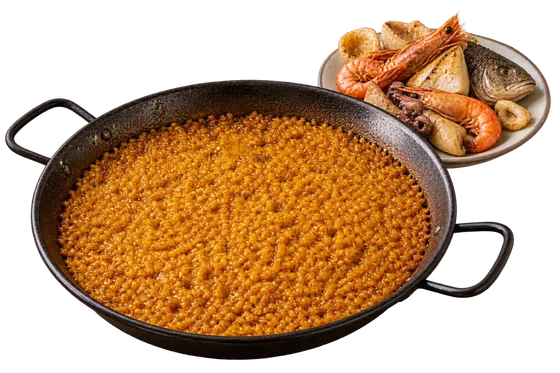
Arròs a banda
Rice cooked in rockfish broth and served alone, with alioli on the side.
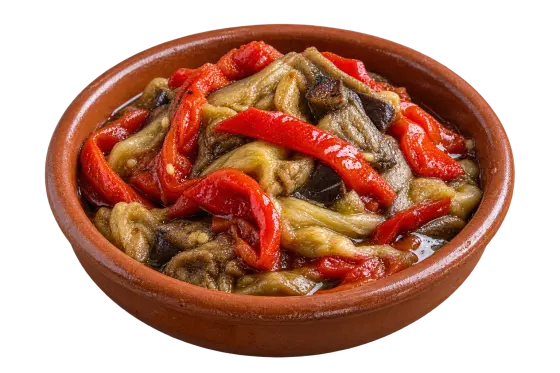
Espencat
Roasted and peeled bell peppers and aubergines, seasoned with oil: it is eaten cold, with bread.
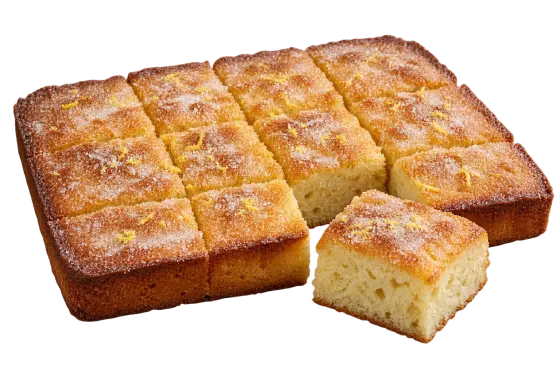
Coca de llanda
Low cake with oil and lemon, baked in a tray and cut into squares.
Festivals in Dénia
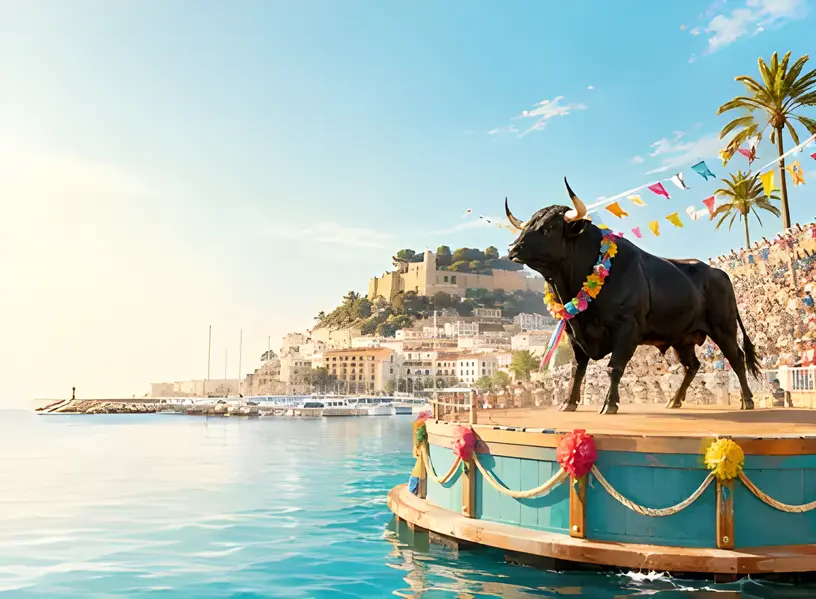
Bous a la Mar
the first half of July
An arena is built open to the port: whoever provokes the bull and misjudges the timing ends up in the water, and they pull them out from there by swimming.
What to see in Dénia
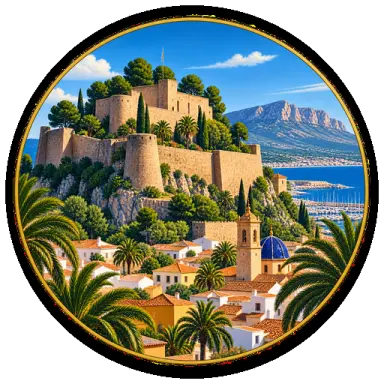
Castell de Dénia
The fortress above the city, Islamic and then Renaissance, with the remains of Roman Dianium underneath.
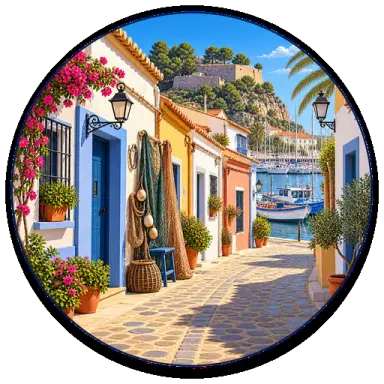
Baix la Mar
The fishermen's quarter next to the port: low houses painted differently from one another.
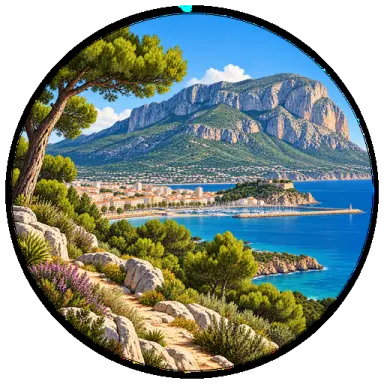
Parc Natural del Montgó
The mountain that closes the city to the south, with a silhouette that from afar looks like an elephant.
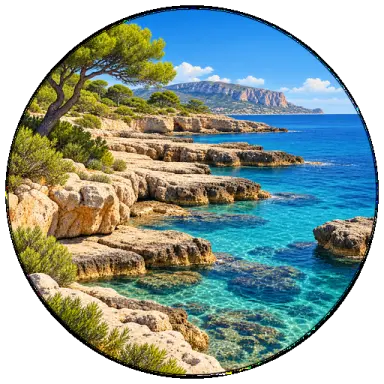
Les Rotes
The coast to the south of the city: no sand, only flat rock and transparent water.
Where Dénia comes from
A taifa that had a fleet
2nd century BC
Dianium
Roman port dedicated to Diana, with the stone quarry on the sea.
1010–1076
The taifa
The kingdom of Dénia has a fleet and comes to control the Balearic Islands and Sardinia.
1244
The conquest
James I takes it and incorporates it into the kingdom of Valencia.
19th century
Raisins
The export of raisins to England enriches the city and fills the port.
Want to learn Spanish by travelling across Spain?
In Aula every lesson is a city lighting up on the map — Dénia is one of them. Two hundred lessons from A1 to C2, free, starting from your level.
Start from Dénia →