 Aula· Spain, city by city
Valencia
Orihuela
«Orihuela conserva un rico patrimonio histórico y la obra de Miguel Hernández.»Orihuela preserves a rich historical heritage and the work of Miguel Hernández.
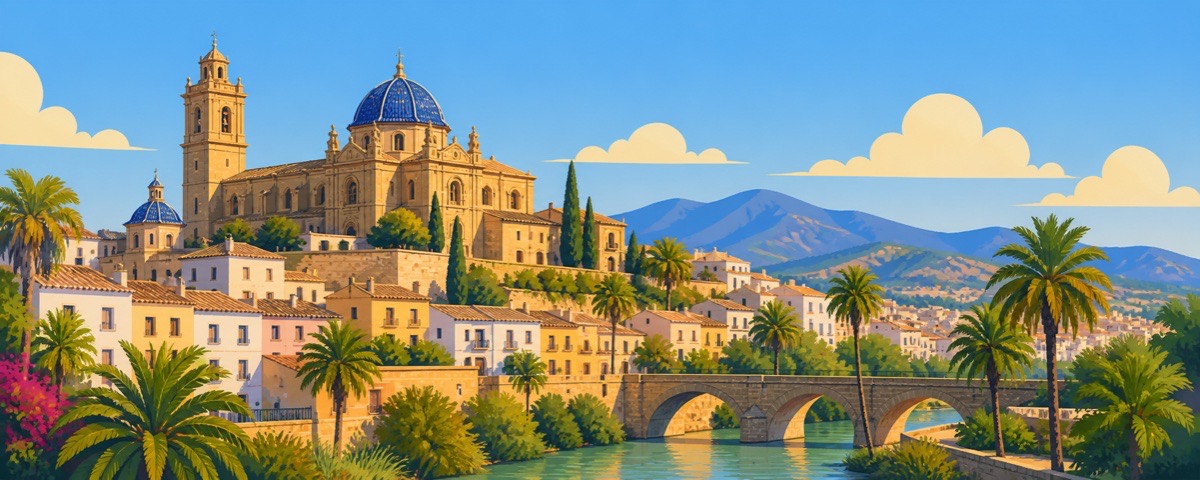
Orihuela is located in the southern inland part of the province of Alicante, in an irrigated valley of the Segura called Vega Baja. The historic centre preserves the cathedral, the seminary, and various convents that gave it a religious and university role for centuries, while part of the municipality stretches as far as the coast, more than twenty kilometres away.
Did you know
The shepherd poet was born here.
Miguel Hernández, one of the most important and tragic poets of 20th-century Spanish literature, was born here in 1910.
How they talk in Orihuela
Castilian is dominant, with Murcian and southern traits in the pronunciation due to the geographical proximity to the Región de Murcia. The aspiration of the final «s» is heard more than in northern Valencian.
xe
Interjection that can express surprise, enthusiasm, joy, or irritation. Used as an autonomous exclamation or to call attention, with a value determined by the tone and the situation.
Everyday life in Orihuela
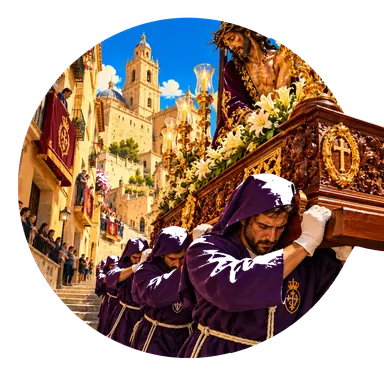
Holy Week on a slope
The processions go up and down the steep streets of the historic centre, and the pasos are carried on shoulders on slopes that do not exist elsewhere. The brotherhoods rehearse for months.
«Los pasos suben por la cuesta.» — The pasos go up the slope.
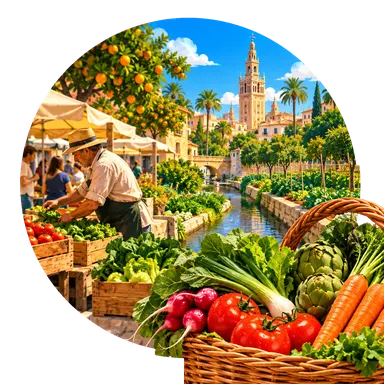
The huerta of the Vega Baja
The vegetable gardens irrigated by the Segura surround the city, and the canals pass through the town. The market vegetables come from there, often picked that very morning.
«Esto es de la huerta de aquí.» — This is from the local vegetable garden.

The beach of Orihuela Costa
The municipality reaches the coast, and those who live in the centre have the beach on the other side of their territory: in summer people go and return in a day, as if it were another town.
What to eat in Orihuela
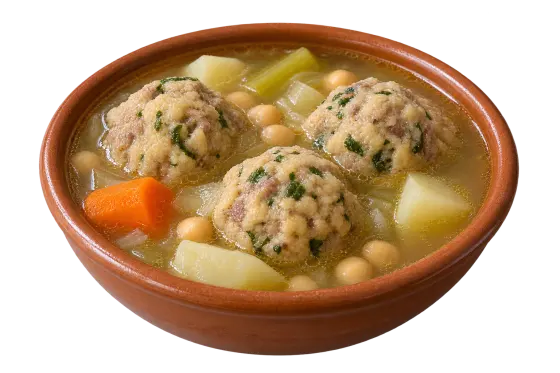
Cocido con pelotas
The boiled meat dish of the Vega Baja, with large bread and meat meatballs cooked in the broth.

Arroz con costra
Baked rice with meat, covered by a golden egg crust. It is eaten in the same earthenware dish.
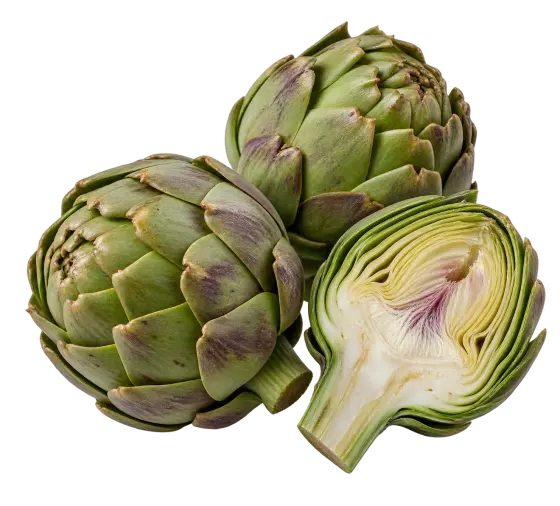
Alcachofas de la Vega Baja
Artichokes from the irrigated plain, small and tight: they are grilled or stewed with broad beans.
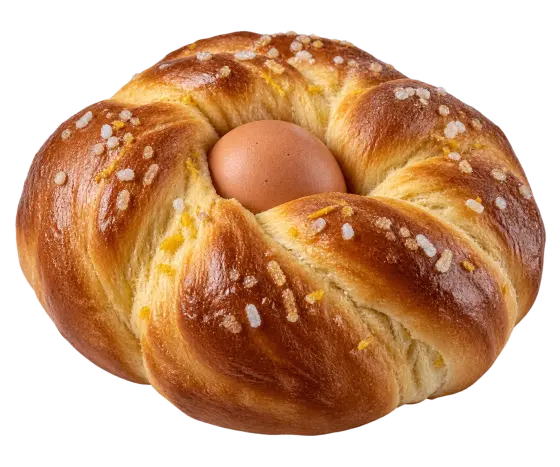
Toña
Soft sweet bread with oil and lemon, eaten at Easter with hard-boiled egg and chocolate.
Festivals in Orihuela
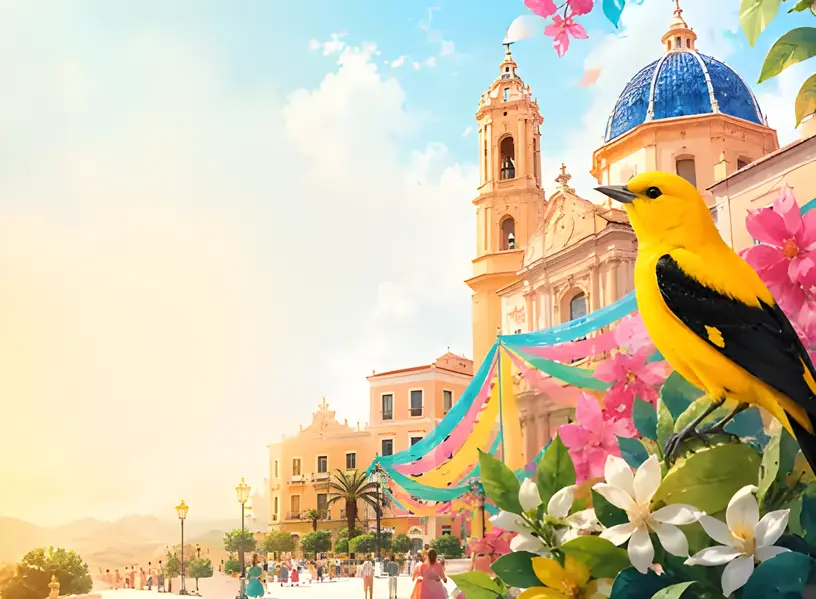
Reconquista y Gloriosa Enseña del Oriol
in July
The banner with the eagle, one of the oldest in Spain, is carried in procession, and the capture of the city is re-enacted.
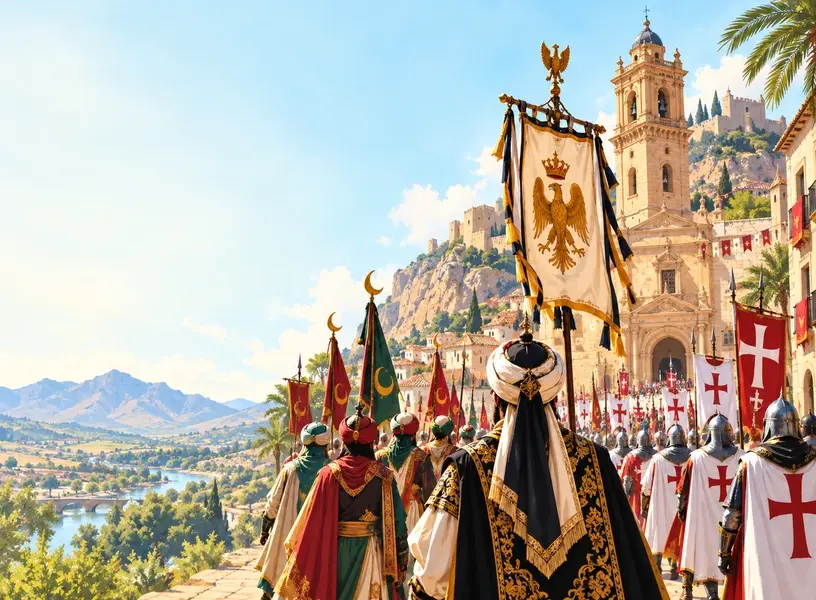
Moros y Cristianos
mid-July
People parade in two armies to retake the city, with the Gloriosa Enseña del Oriol in the lead: costumes that families have kept for generations.
What to see in Orihuela
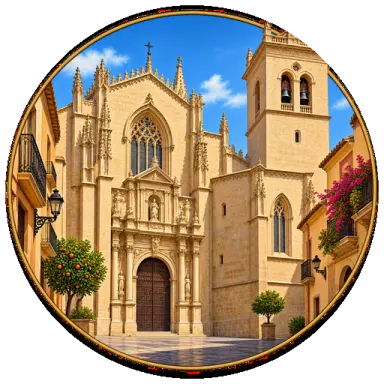
Catedral de El Salvador
One of the smallest cathedrals in Spain, Gothic with Renaissance additions. There is a Velázquez in the museum.
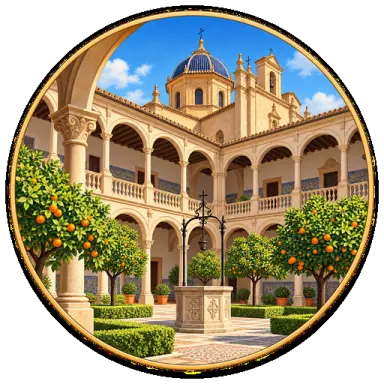
Colegio de Santo Domingo
Former university, then a college: two cloisters, a refectory covered in «azulejos» and a frescoed church.
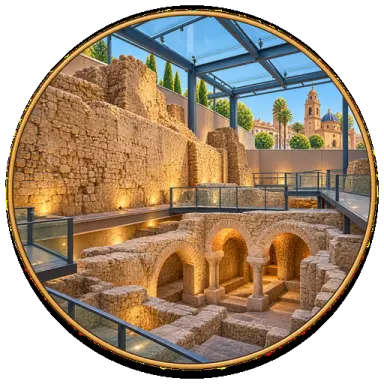
Museo de la Muralla
A stretch of Islamic wall and an Arab bath, below street level, covered with glass.
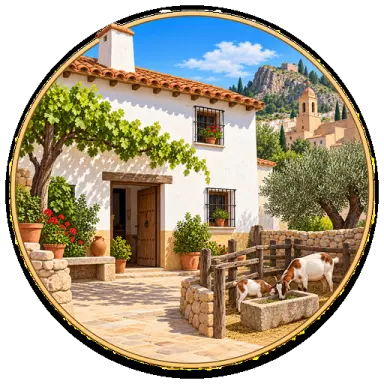
Casa-Museo Miguel Hernández
The house where the poet lived as a boy, with the stable for the goats he took to pasture.
Where Orihuela comes from
The pact that saved the city
Roman era
Orcelis
Roman municipality in the irrigated valley of the Segura.
713
The pact of Teodomiro
The Visigothic governor signs a pact with the Muslims: the city surrenders but keeps its laws and religion.
1243–1296
Between two crowns
It passes to Castile and then to Aragon, and remains a border city.
16th–18th century
The university
It becomes an episcopal and university seat: hence the convents and colleges.
Born here: Miguel Hernández, poet.
Want to learn Spanish by travelling across Spain?
In Aula every lesson is a city lighting up on the map — Orihuela is one of them. Two hundred lessons from A1 to C2, free, starting from your level.
Start from Orihuela →