
Aragón
Teruel
«Teruel es conocida por su arquitectura mudéjar y los dinosaurios.»Teruel is known for its Mudéjar architecture and dinosaurs.
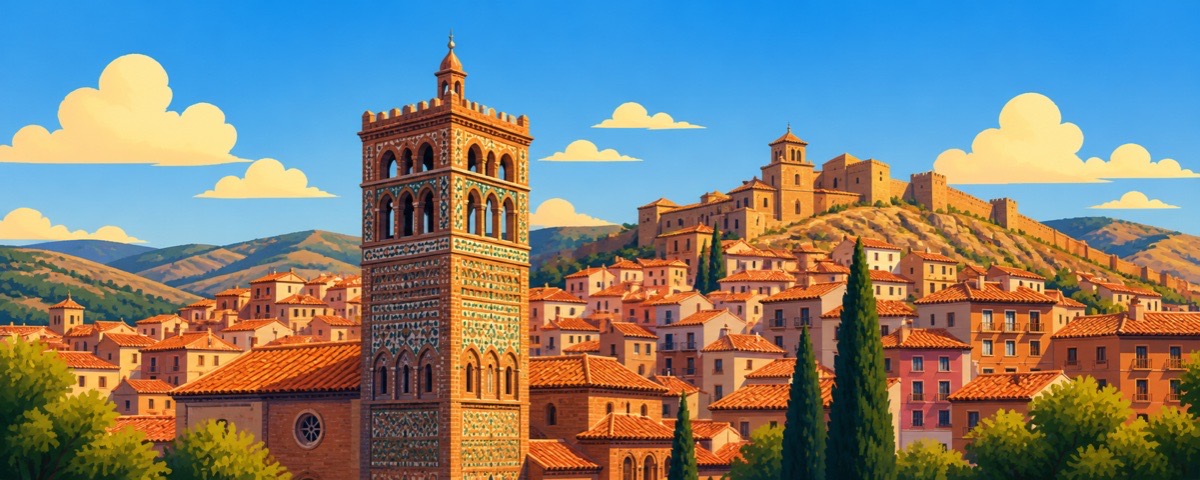
Teruel is the least populous provincial capital in Spain, perched on a hill nine hundred metres high between two rivers. Its centre preserves four Mudéjar towers made of brick and ceramic, built between the 13th and 16th centuries by Muslim craftsmen who remained after the conquest.
Le savais-tu ?
The two lovers buried together.
Teruel houses the tomb of the famous Lovers of Teruel, a tragic medieval love story often compared to that of Romeo and Juliet.
Comment on parle à Teruel
«Mudéjar» is an essential word here: it defines much of the city's architecture and the meeting between Islamic techniques and Christian patronage. «Turolense» is the correct demonym for inhabitants and products of the province.
charrar
se dit «tcharrar»
To speak; to chat. Used in Aragonese speech to converse or talk, also in derivatives like «charrada».
La vie quotidienne à Teruel

The «Bodas de Isabel» in February
For four days the entire city dresses in medieval style and stages the story of the Lovers of Teruel: thousands of people in costume, markets, and camps inside the walls.
«La ciudad entera se viste de medieval.» — The entire city dresses in medieval style.
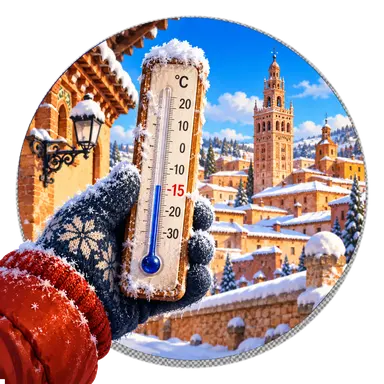
Minus fifteen surprises no one
At almost one thousand metres, Teruel records some of the lowest temperatures in Spain every winter: minus fifteen surprises no one, and houses have always had double glazing.
«Aquí hace un frío que pela.» — It is freezing cold here.

«Teruel existe»
The slogan created to protest against the province's isolation has become a party that sits in parliament: here, the lack of trains and roads is not a complaint, it is a political position.
Que manger à Teruel
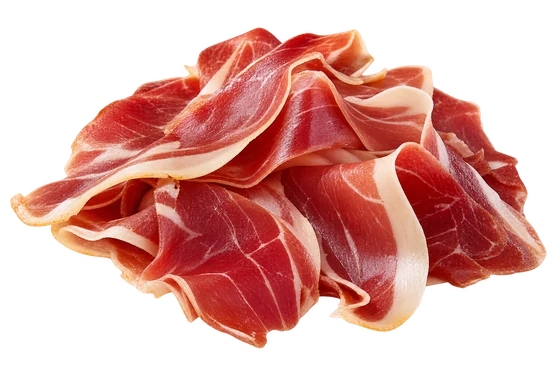
Jamón de Teruel
Ham cured in the mountains, at more than eight hundred metres, with the star carved on the rind.
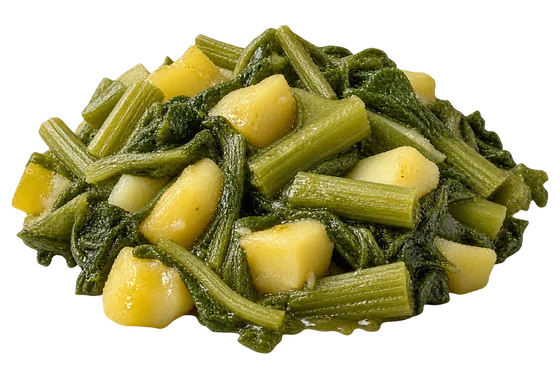
Borrajas con patatas
Boiled borage with potatoes, seasoned with oil and garlic: a winter vegetable, almost exclusively Aragonese.
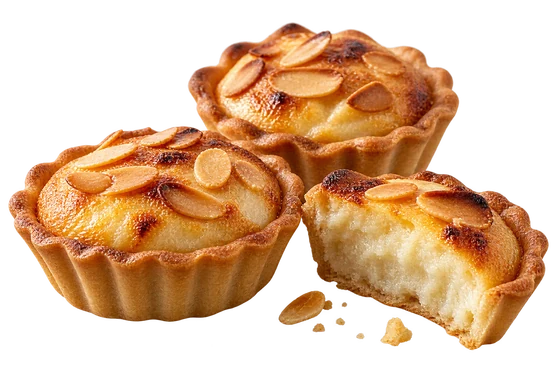
Suspiros de amante
Sweet cheese and almond tartlets, which take their name from the city's story.
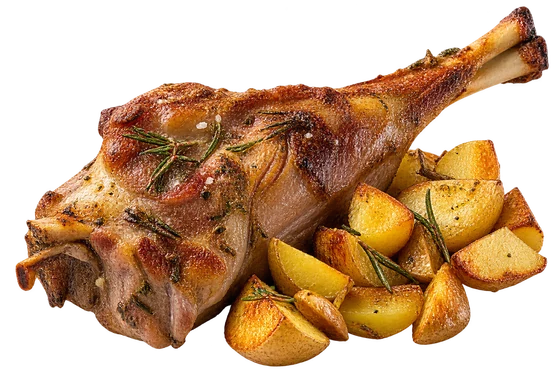
Ternasco de Aragón
Young lamb roasted in the oven, with salt, lard, and white wine.
Les fêtes à Teruel
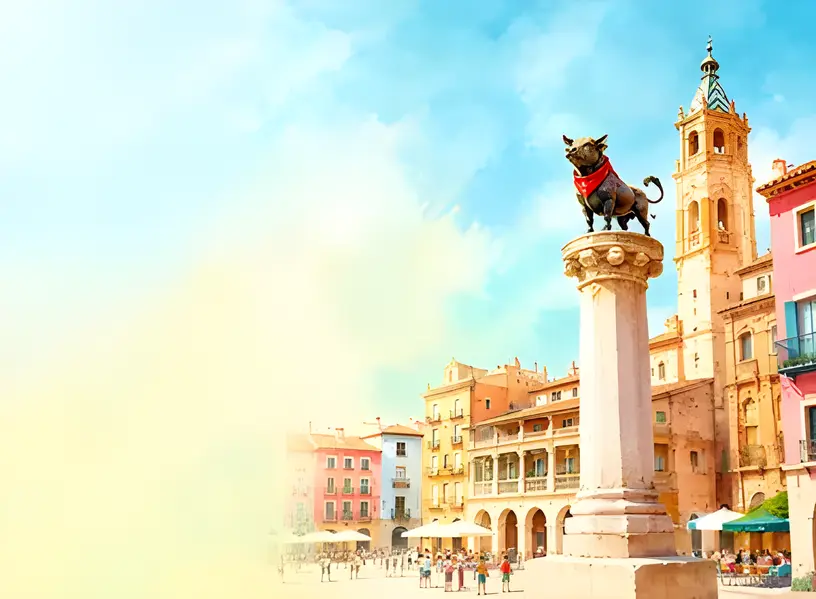
La Vaquilla del Ángel
the second weekend of July
The red handkerchief is tied to the «Torico», the little bull statue in the square, and from then on the city does not sleep for four days.
Que voir à Teruel
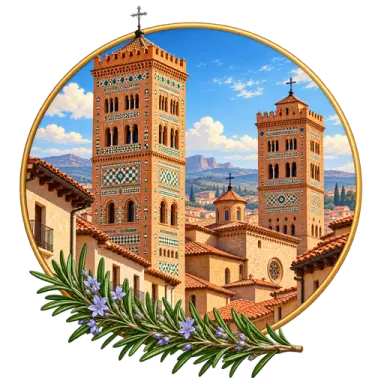
Torres mudéjares
Four towers of brick and green and white ceramic, which also serve as gates: the road passes underneath them.
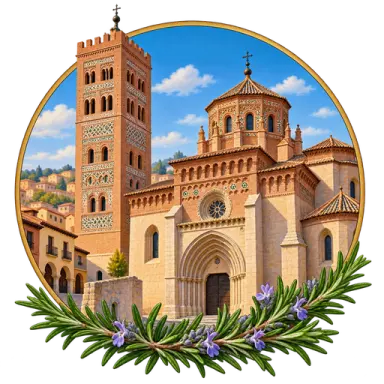
Catedral de Teruel
The 13th-century coffered ceiling, painted with everyday life instead of saints.
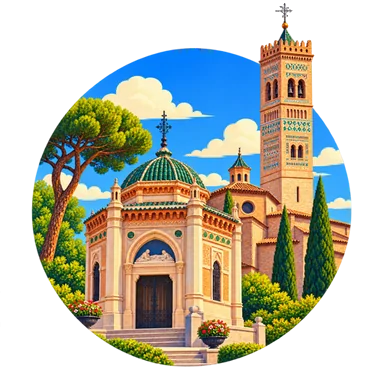
Mausoleo de los Amantes
The two alabaster statues that reach out to hold hands without being able to touch.
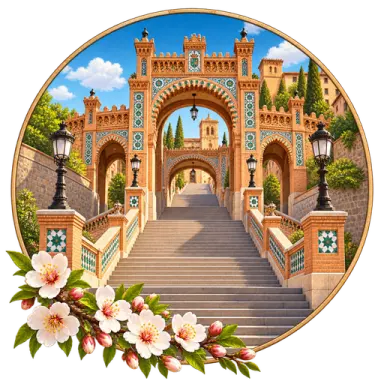
Escalinata neomudéjar
The 1921 staircase that connects the station to the centre, made of brick and ceramic.
D'où vient Teruel
Bricks laid on their edge, and two lovers
1171
The foundation
Alfonso II founds the city on the hill, after taking it from the Muslims.
13th century
The Lovers
The story of Isabel de Segura and Diego de Marcilla, who died of love, which the city has been telling for seven hundred years.
13th–16th century
The Mudéjar
The four towers and the cathedral ceiling, made by the remaining Muslim craftsmen.
1937–1938
The battle
One of the harshest winters of the Civil War leaves it half destroyed.
Tu veux apprendre l'espagnol en voyageant à travers l'Espagne ?
Dans Aula, chaque leçon est une ville qui s'allume sur la carte — Teruel en fait partie. Deux cents leçons du niveau A1 au C2, gratuites, en commençant par ton niveau.
Commencer par Teruel →