
Asturias
Navia
«Navia es conocida por su ría y su gran tradición.»Navia is known for its estuary and its great tradition.
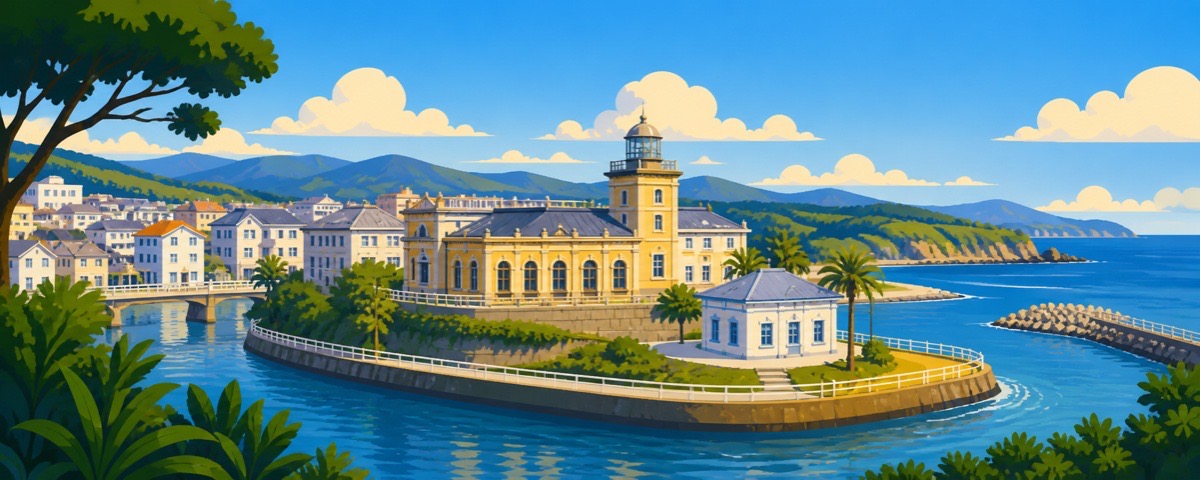
Navia is at the mouth of the river of the same name, on the western coast of Asturias, near the border with Galicia. It lives from fishing and the timber industry, and in its territory is the Castro de Coaña, one of the best-preserved pre-Roman fortified villages in northern Spain.
Le savais-tu ?
Frejulfe, a paradise for surfers.
The nearby beach of Frejulfe is a protected area and is considered one of the best paradises on the Cantabrian coast for surfing.
Comment on parle à Navia
In western Asturias you can hear the influence of Galician-Asturian, in addition to Castilian. «Ría» and «indiano» are concrete words to understand local geography and architecture.
prestar
To cause pleasure or satisfaction. Daily use in constructions like «présta-me/prestóme» to say that something is liked or has given pleasure.
La vie quotidienne à Navia
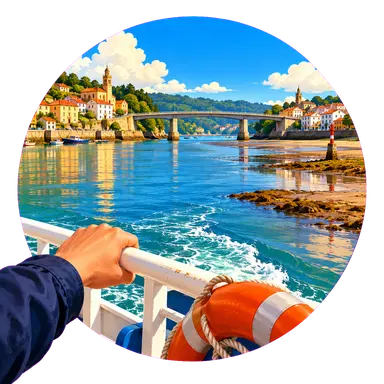
The «ría del Navia» is crossed by boat
The Navia river widens into an estuary and the two banks are different towns: the boat and the bridge are the daily connection, and the tide decides the water level.
«Se cruza en barca.» — It is crossed by boat.
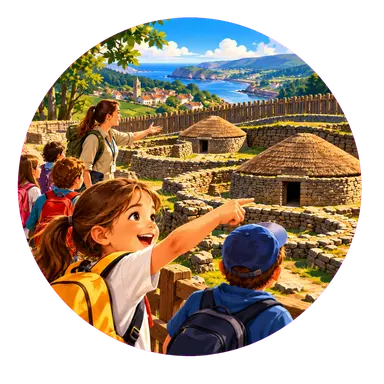
The castros on the hills
Around the town there are Celtic fortified villages that have been excavated and can be visited, like Coaña: you can see the round stone houses, and school groups go there on trips.
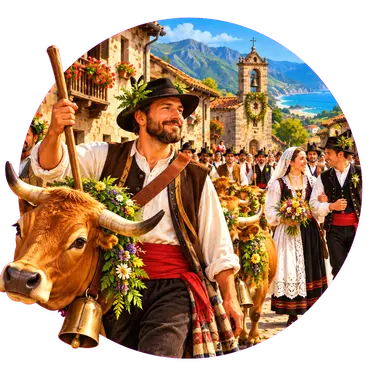
The «Vaqueira» of the shepherds
In the high villages lived the vaqueiros de alzada, who moved with their animals between the mountains and the coast: their festival is still held, with the parade and the re-enacted vaqueiro wedding.
Que manger à Navia
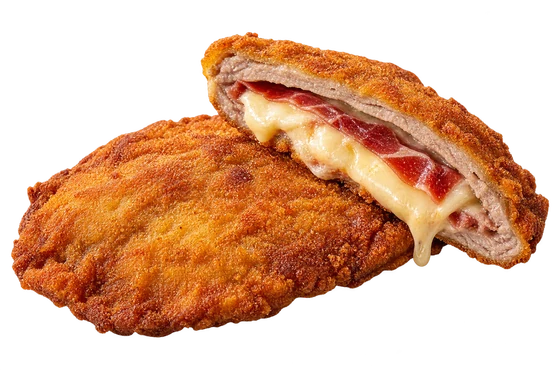
Cachopo
Two slices of veal with ham and cheese inside, breaded and fried.
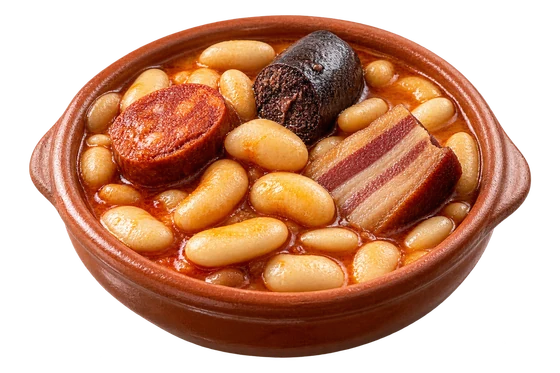
Fabada asturiana
Large white beans with chorizo, morcilla and lacón, slow-cooked.
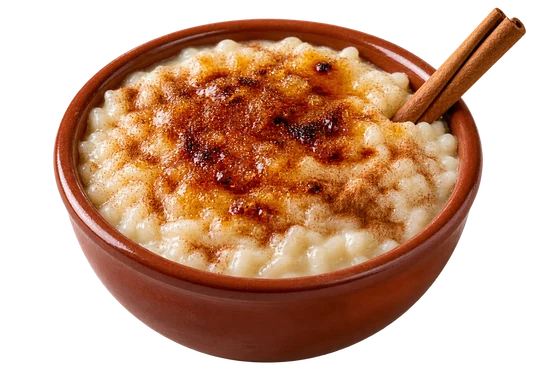
Arroz con leche
Rice cooked in milk with lemon and cinnamon, with burnt sugar on top.
Les fêtes à Navia
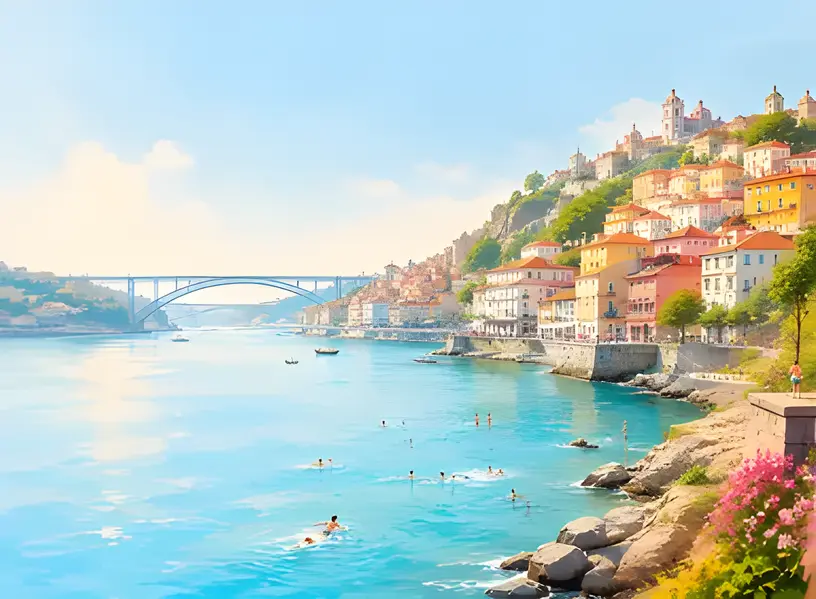
Descenso a nado de la ría
the first Sunday of August
You cross the ria swimming, all together, from the Navia bank to the one opposite: those who do not swim watch from the bridge.
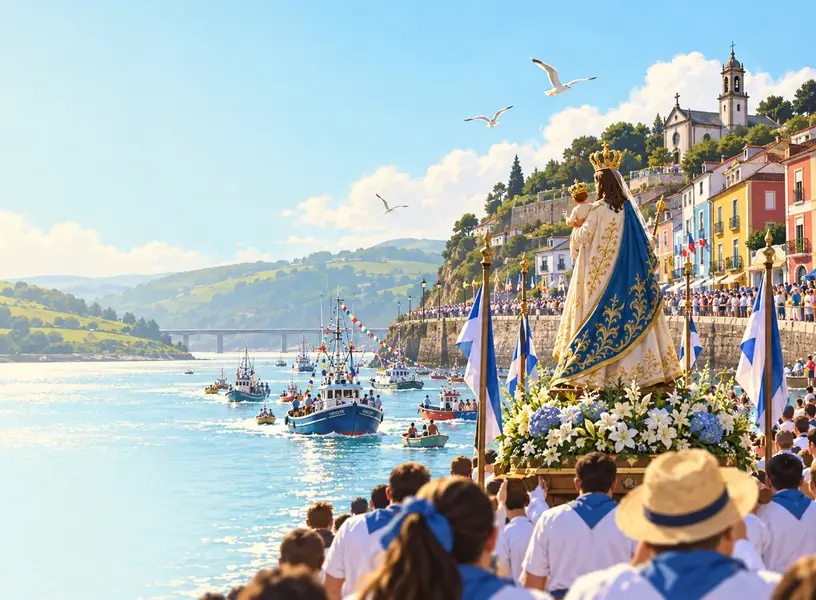
Nuestra Señora de la Barca
from 14 to 17 August
The patron saint comes out near the estuary, and the town spends four days between the harbour and the square.
Que voir à Navia
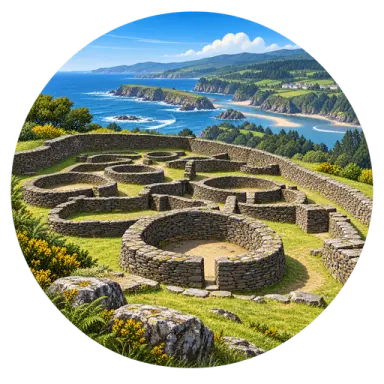
Castro de Coaña
A fortified village of round houses, one of the best-preserved castros in the north.
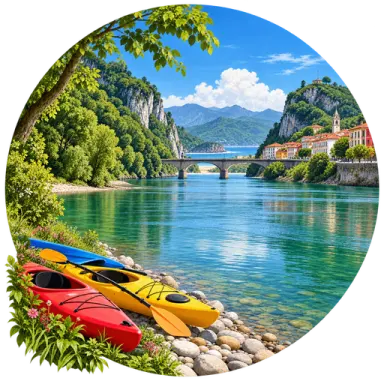
Ría de Navia
The estuary where the river meets the sea, with the two banks connected by the bridge.
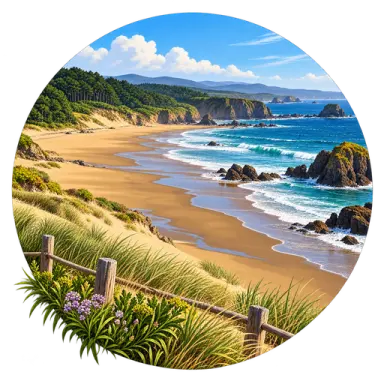
Playa de Frejulfe
The dark sand beach between two promontories, with dunes and the forest behind.
D'où vient Navia
A village from two thousand years ago, intact
Castreña era
The Coaña castro
A fortified village of round houses, inhabited for centuries before the Romans.
Roman era
Gold
The Romans exploit the gold in the area and reuse the castro.
1270
The town
Alfonso X gives it the fuero: the town at the mouth of the Navia is born.
19th century → today
The ría
Fishing, the timber industry and the harbour support the economy.
Tu veux apprendre l'espagnol en voyageant à travers l'Espagne ?
Dans Aula, chaque leçon est une ville qui s'allume sur la carte — Navia en fait partie. Deux cents leçons du niveau A1 au C2, gratuites, en commençant par ton niveau.
Commencer par Navia →