
Canarias
Las Palmas
«Las Palmas tiene la famosa playa de las Canteras en la ciudad.»Las Palmas has the famous Las Canteras beach in the city.
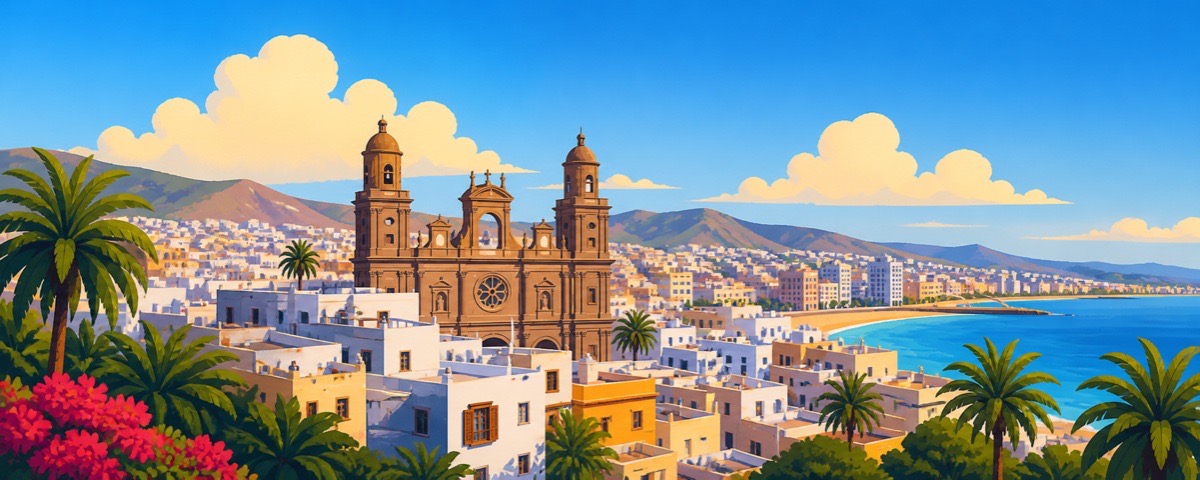
Las Palmas de Gran Canaria is the most populous city in the Canary Islands and shares the role of archipelago capital with Santa Cruz. It is situated on an isthmus between two bays, with the founding district of Vegueta on one side and the port with Las Canteras beach on the other, and for centuries it was the mandatory stopover between Europe and America.
Le savais-tu ?
Columbus slept here before departing.
Christopher Columbus stayed here in 1492 before setting sail for the New World, and his house is now a museum.
Comment on parle à Las Palmas
The Canarian uses «ustedes» instead of «vosotros», practices «seseo» and often aspirates the final «s». «Guagua» means bus, «papa» potato and «millo» corn.
guagua
Bus or coach for collective transport. Normally used for urban and interurban buses and, by extension, for school or tourist coaches.
La vie quotidienne à Las Palmas
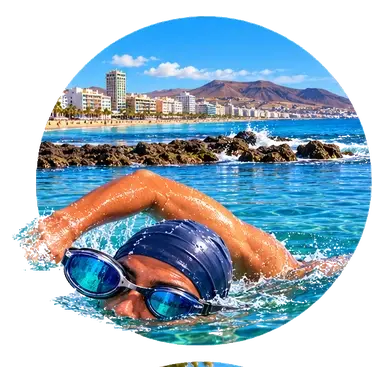
Las Canteras as a swimming pool
The urban beach is protected by a natural rock barrier, «La Barra», which stops the waves: inside, the water is still, and people swim there all year round before going to work.
«Me voy a nadar a Las Canteras.» — I'm going to swim at Las Canteras.
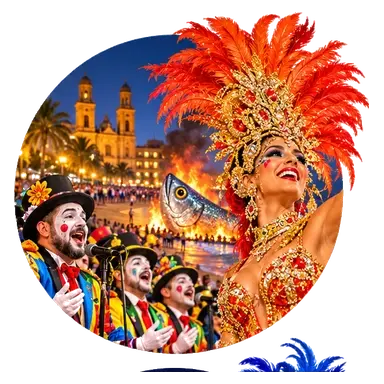
The two-week «carnaval»
In February the city stops functioning: queen gala, murgas singing satirical songs, and the funeral of the sardine which is burned on the beach at the end. Costumes are prepared for months.
«El carnaval dura dos semanas.» — The carnival lasts two weeks.
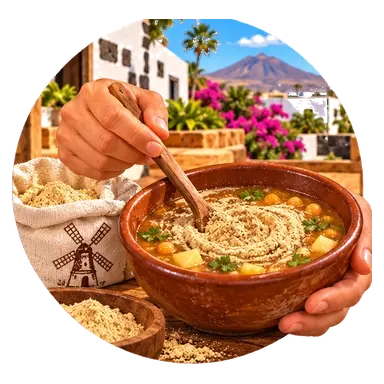
The «gofio» at the table
The flour made from toasted cereals is mixed with broth, milk or fish: it is the traditional Canarian food, and people continue to buy it at the mills that still grind it.
«Un escaldón de gofio, por favor.» — An escaldón of gofio, please.
Que manger à Las Palmas
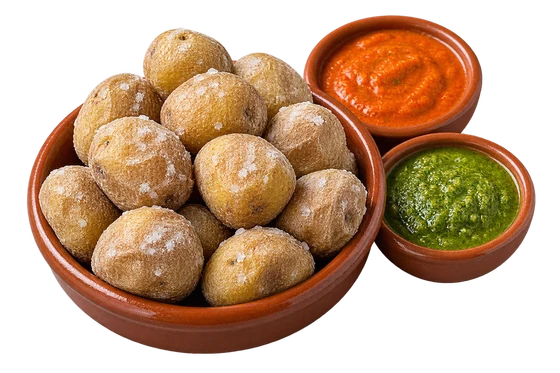
Papas arrugadas con mojo
Small potatoes boiled in seawater until the skin wrinkles, with red or green mojo sauce.
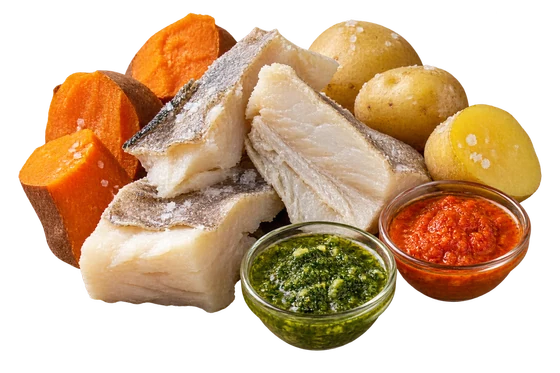
Sancocho canario
Salted fish, potatoes and sweet potatoes boiled, served with «gofio escaldado» and mojo.
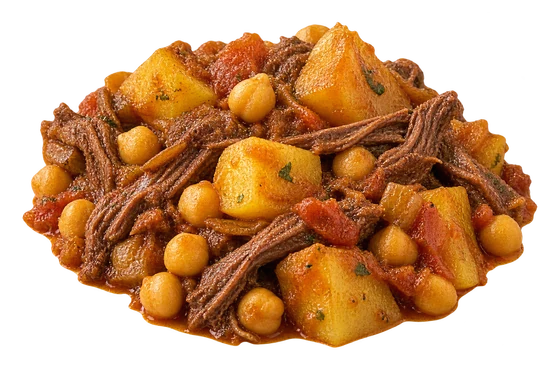
Ropa vieja canaria
Meat and chickpeas left over from the stew, sautéed with fried potatoes, onion and peppers.
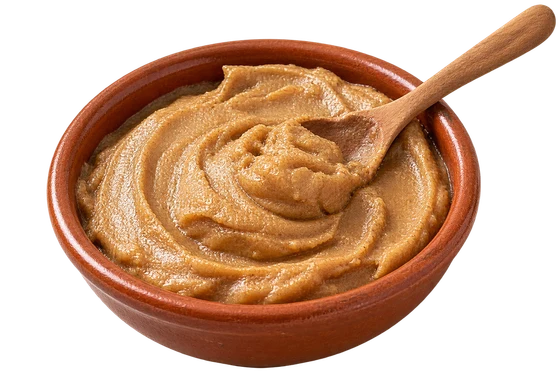
Gofio
Flour made from toasted cereals, which is mixed with milk, broth or honey. It has been eaten here since before the Spanish.
Les fêtes à Las Palmas
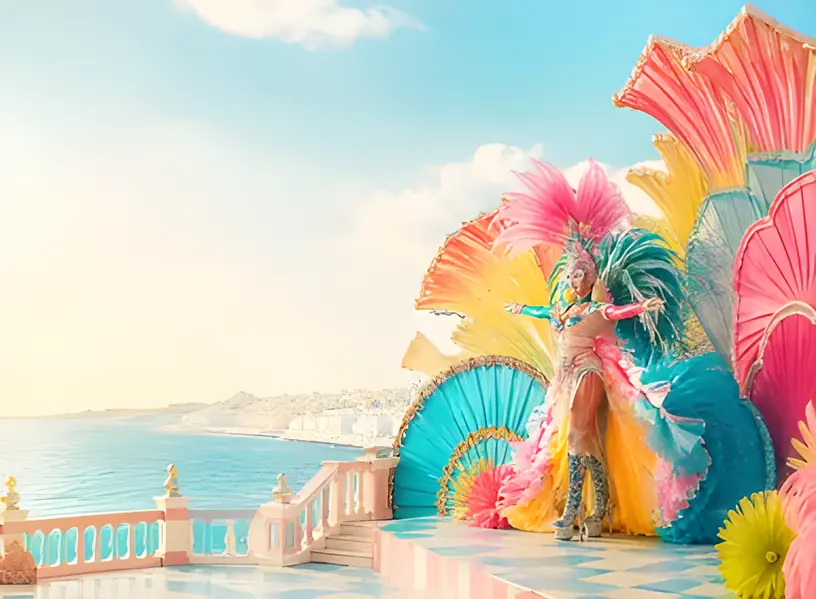
Carnaval de Las Palmas
between February and March
Two weeks with the queen gala and the «murgas» singing about the year's events, and at the end the sardine is burned on the beach.
Que voir à Las Palmas
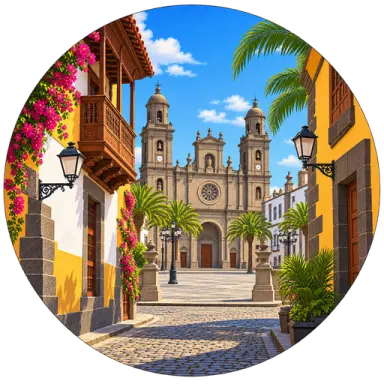
Vegueta
The first neighbourhood built by the Spanish in the Canaries, with streets laid out in a grid.
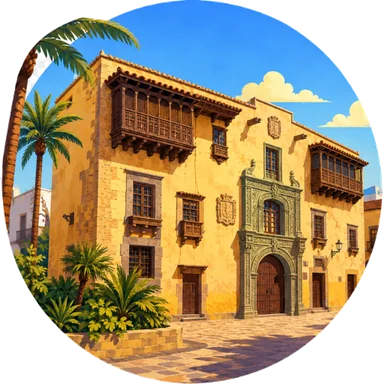
Casa de Colón
The house-museum of Columbus's visit, with carved portals and parrots in the courtyard.
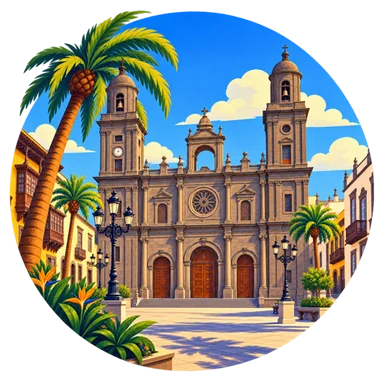
Catedral de Santa Ana
Four centuries of work: you enter through a neoclassical façade and find yourself under Gothic vaults.
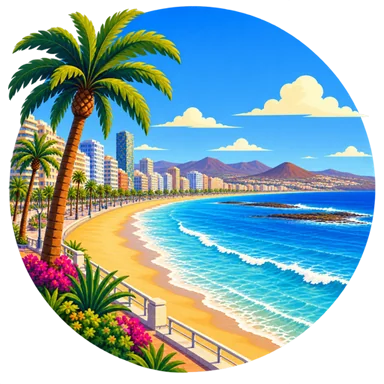
Playa de Las Canteras
Three kilometres of beach in the city, protected by a rock barrier parallel to the shore.
D'où vient Las Palmas
The palm grove from which the name comes
1478
The foundation
Juan Rejón set up camp in a palm grove near the mouth of the Guiniguada: hence the name.
1492
Columbus's visit
Columbus stopped here to repair the rudder of the Pinta before crossing the Atlantic.
16th–18th century
The obligatory port
A stopover between Europe and America: the city lived off what passed through and did not stop.
19th century → today
Puerto de la Luz
The new port made it grow: today it is the most populous city in the islands.
Né ici : Benito Pérez Galdós, writer.
Tu veux apprendre l'espagnol en voyageant à travers l'Espagne ?
Dans Aula, chaque leçon est une ville qui s'allume sur la carte — Las Palmas en fait partie. Deux cents leçons du niveau A1 au C2, gratuites, en commençant par ton niveau.
Commencer par Las Palmas →