
País Vasco
Durango
«Durango acoge una famosa feria del libro vasco.»Durango hosts a famous Basque book fair.
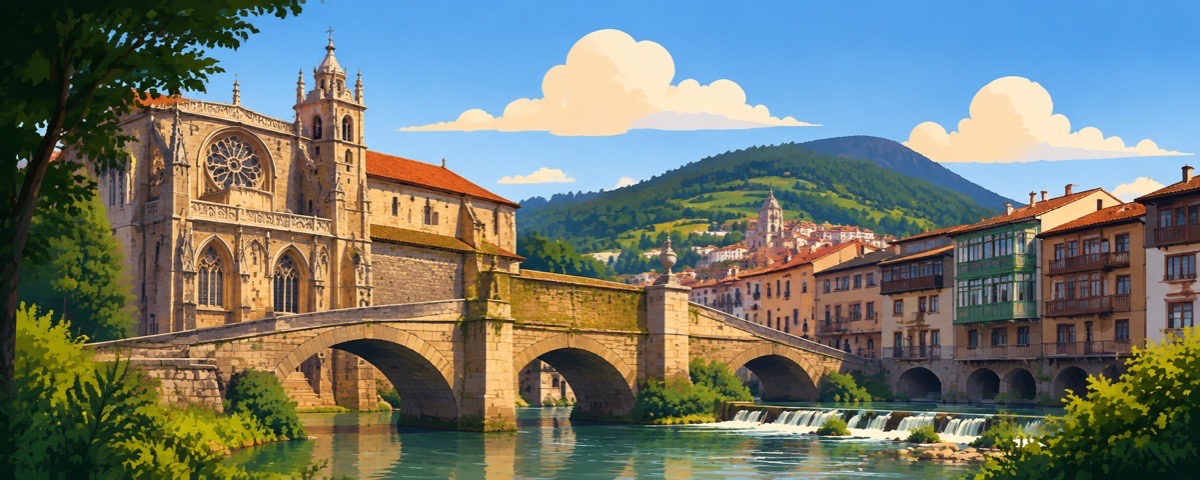
Durango is located in a basin in Biscay, between Bilbao and the Amboto mountain range, on the route leading from the coast to the interior. On 31 March 1937, it was the first Spanish city to be bombed from the air, targeting the civilian population, a month before Gernika; today it lives on metallurgy and machine tools.
Le savais-tu ?
The Basque language book fair.
Every year in December, Durango hosts the Azoka, the most important book and music fair in the Basque language.
Comment on parle à Durango
Euskera is very much alive and «Durangaldea» is the Basque name for the region. «Durangarra» is the local demonym.
agur
se dit «agour»
Greeting used to take leave and, depending on the context, also to say hello. Short greeting formula in Basque, very recognizable in the daily life of the Basque Country.
La vie quotidienne à Durango
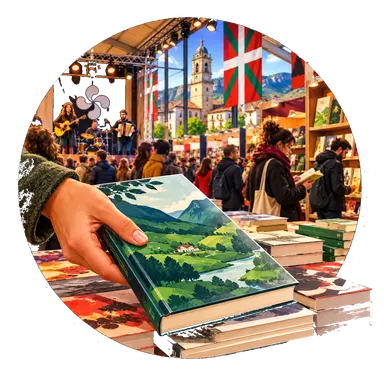
The Basque book fair in December
Every December, the Azoka fills the pavilion with publishers and musicians in the Basque language: tens of thousands of people go there, and it is the event that holds Basque culture together.
«La Azoka es en diciembre.» — La Azoka è a dicembre.
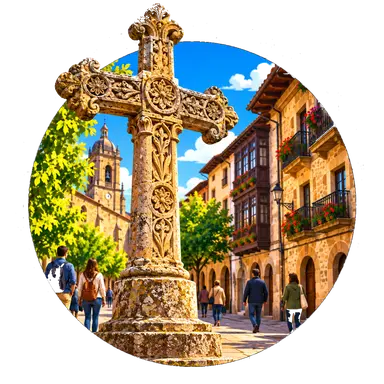
The «Kurutziaga» in the middle of the street
The 15th-century carved stone cross, with Adam and Eve and the snake, stands in a thoroughfare: you can see it by walking past, without a ticket and without a fence.

The Amboto above the town
The 1,500-metre limestone mountain closes the horizon to the south, and is the home of Mari, the most important figure in Basque mythology: you look at it and you know what the weather will be like.
«El Amboto tiene nubes, va a llover.» — L'Amboto ha le nuvole, pioverà.
Que manger à Durango
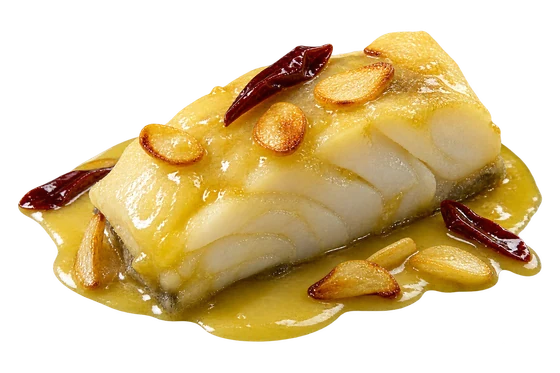
Bacalao al pil-pil
Salt cod cooked slowly in oil with garlic: the sauce thickens by moving the pan.

Pintxos
Bites on a slice of bread with a toothpick, taken from the counter.
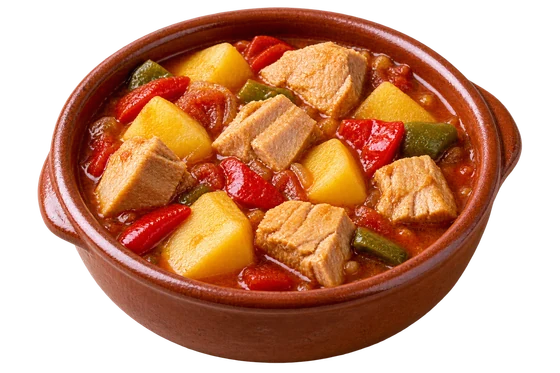
Marmitako
Tuna soup with potatoes, onion and choricero pepper.
Les fêtes à Durango
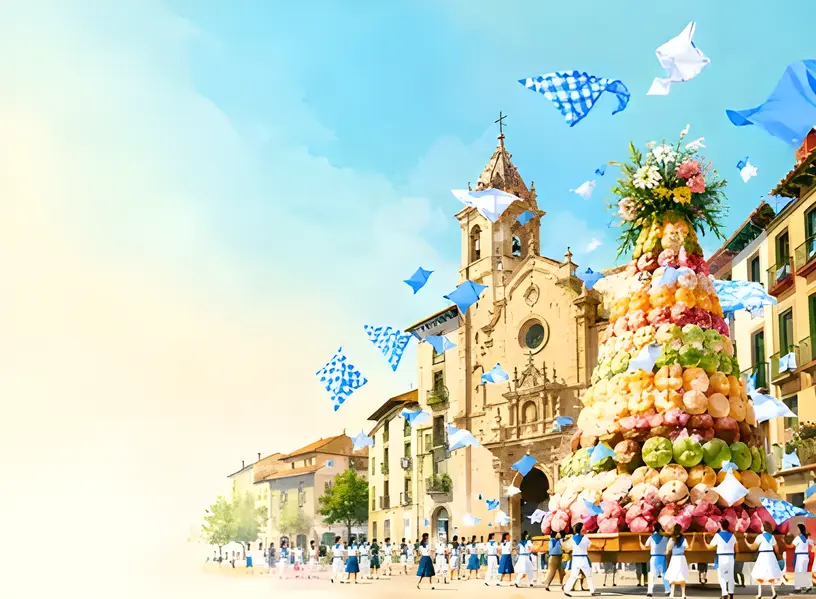
San Fausto
around 13 October
«Zezenak dira»: the bulls arrive, and the town spends a week between txosnas and peñas under the Amboto.
Que voir à Durango
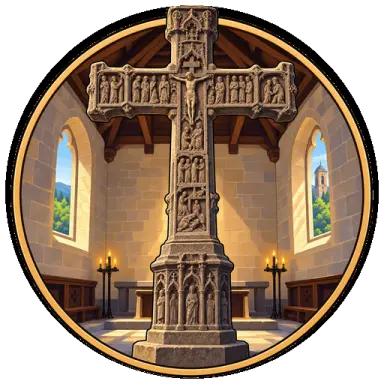
Cruz de Kurutziaga
A 15th-century stone cross covered in figures on all four sides.
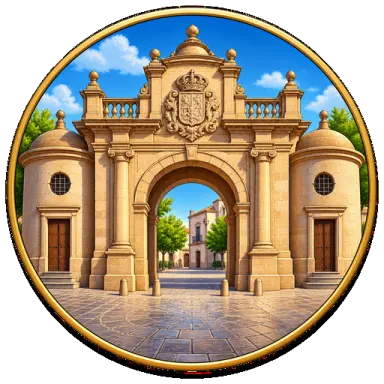
Arco de Santa Ana
The Baroque arch that was one of the gates of the wall, with the chapel above.
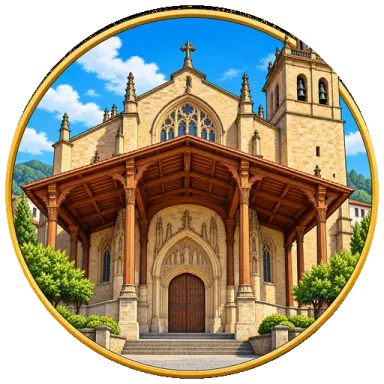
Iglesia de Santa María de Uribarri
The church with the largest portico in the Basque Country, where the town used to gather.
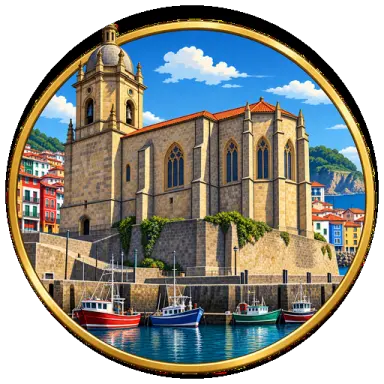
Torre de Lariz
The 15th-century tower-house, the only one remaining of those that were in the centre.
D'où vient Durango
Bombed a month before Gernika
1200
The foundation
It was founded as a town on the road between the coast and the interior, with its own charter of privileges.
15th century
The Cruz de Kurutziaga
The stone cross is carved, unique in the Basque Country for its complexity.
31 March 1937
The bombing
It is the first Spanish city to be bombed from the air on the civilian population, a month before Gernika.
20th century → today
Industry
Metallurgy and machine tools support the valley's economy.
Tu veux apprendre l'espagnol en voyageant à travers l'Espagne ?
Dans Aula, chaque leçon est une ville qui s'allume sur la carte — Durango en fait partie. Deux cents leçons du niveau A1 au C2, gratuites, en commençant par ton niveau.
Commencer par Durango →