
País Vasco
Vitoria
«Vitoria es la capital política del País Vasco.»Vitoria is the political capital of the Basque Country.
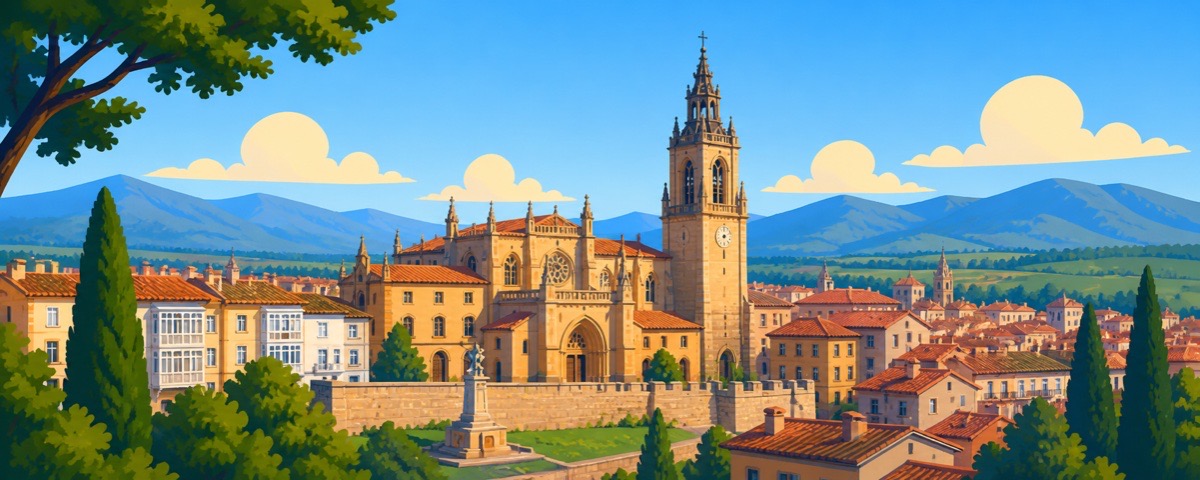
Vitoria-Gasteiz is the capital of the Basque Country and the seat of the autonomous government, located on an inland plain far from the sea. The medieval centre has an almond-shaped layout that rises in rings around a hill, while the modern city is surrounded by a continuous belt of parks that earned it the title of European Green Capital.
Le savais-tu ?
The construction site inspiring Ken Follett
The old cathedral is an open, visitable construction site, and it was there that Ken Follett found the inspiration for 'World Without End'.
Comment on parle à Vitoria
«Gasteiz» is the Basque name for the city and «gasteiztarra» is the demonym. «Poteo» and «pintxo» belong to the daily social lexicon even when the conversation is in Castilian.
agur
se dit «agour»
Greeting used to take leave and, depending on the context, also to say hello. Short greeting formula in Basque, very recognizable in the daily life of the Basque Country.
La vie quotidienne à Vitoria
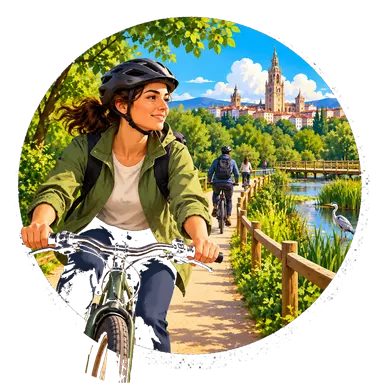
The «anillo verde» around the city
A belt of parks and wetlands surrounds all of Vitoria and can be travelled by bike without ever touching a road: the inhabitants use it to go to work, not just on Sundays.
«Voy al trabajo en bici por el anillo.» — I go to work by bike along the ring.
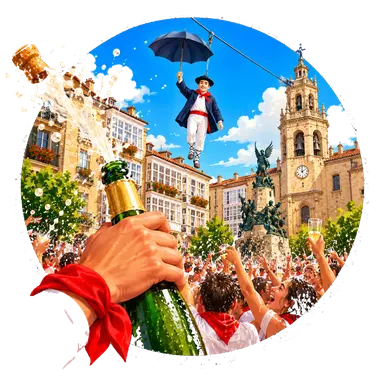
The «Celedón» on 4 August
A dummy with an umbrella descends on a wire from the bell tower to the crowded square, and from that moment the festival begins: sparkling wine is uncorked and everyone gets soaked.
«¡Ya baja el Celedón!» — Celedón is coming down!
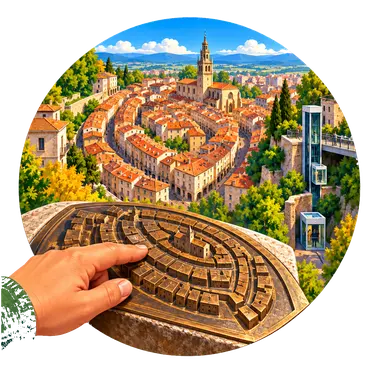
The almond-shaped «casco medieval»
The old centre is oval, with concentric streets and names of trades: Cuchillería, Herrería, Zapatería. You go up and down with public lifts carved into the slope.
«Las calles llevan nombre de oficios.» — The streets bear the names of trades.
Que manger à Vitoria
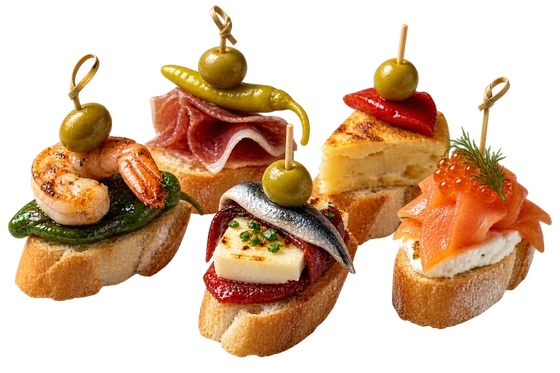
Pintxos
Bites on a slice of bread with a toothpick, taken from the counter. You count the toothpicks at the end.
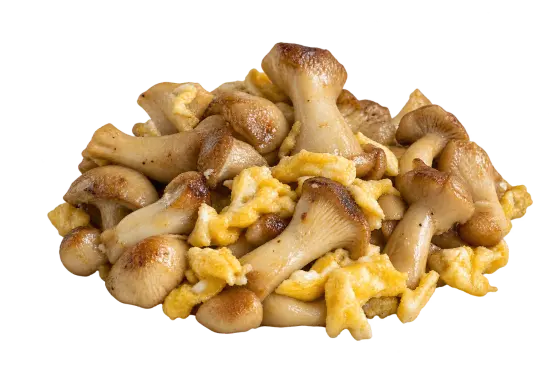
Perretxikos
Small, light-coloured spring mushrooms, sautéed with a little oil and egg: they last for a few weeks a year.
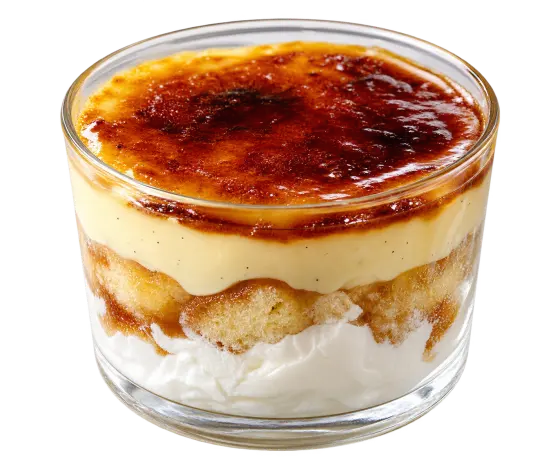
Goxua
Layered dessert: cream, soaked sponge cake, custard and caramel on top. The name means «sweet» in Basque.
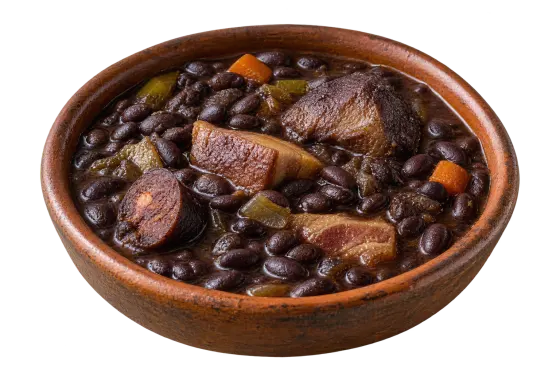
Alubias de Álava
Dark beans from the province cooked slowly with vegetables and pork, thick and almost black.
Les fêtes à Vitoria
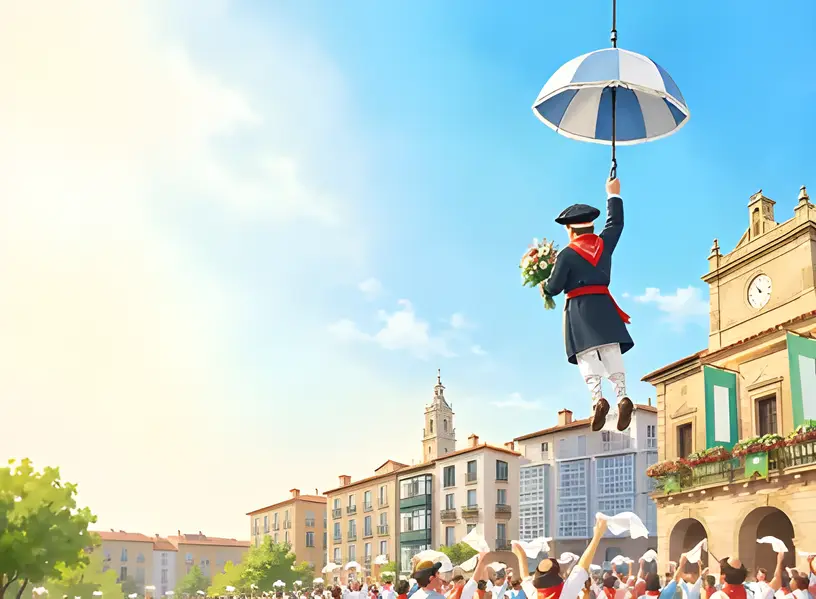
Fiestas de la Virgen Blanca
from 4 to 9 August
Celedón descends on a wire from the bell tower to the crowded square, and from that moment everything begins.
Que voir à Vitoria
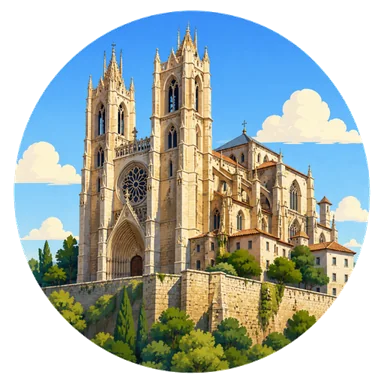
Catedral de Santa María
The Gothic cathedral that you can visit while it is being restored: they give you a hard hat and take you inside the foundations.
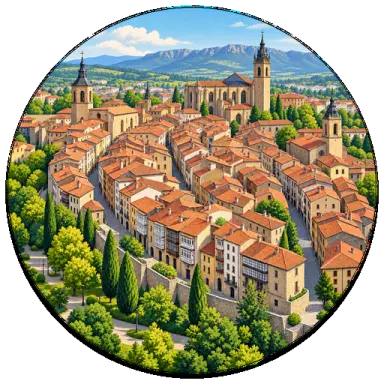
Casco Medieval
The almond-shaped centre, with streets named after the trades.
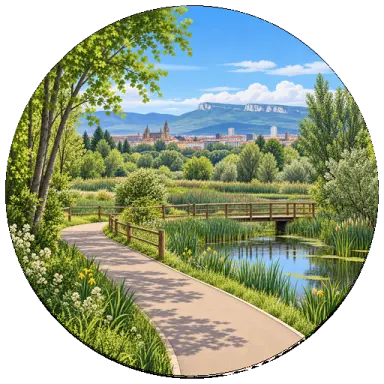
Anillo Verde
Six connected parks that circle the entire city, for thirty kilometres without crossing a road.
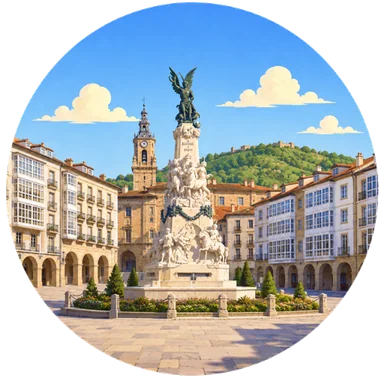
Plaza de la Virgen Blanca
The square where «Celedón» descends on 4 August and the festival begins.
D'où vient Vitoria
An almond-shaped city
1181
The foundation
Sancho VI of Navarre founds Nova Victoria on the hill, above the village of Gasteiz.
13th–15th c.
The almond
The city grows in an oval around the hill: the streets take the names of the trades.
1813
The battle
Wellington defeats the French on the plain: it is the end of Napoleonic rule in Spain.
1980 → today
The capital
It becomes the seat of the Basque government; in 2012 it is named European Green Capital.
Tu veux apprendre l'espagnol en voyageant à travers l'Espagne ?
Dans Aula, chaque leçon est une ville qui s'allume sur la carte — Vitoria en fait partie. Deux cents leçons du niveau A1 au C2, gratuites, en commençant par ton niveau.
Commencer par Vitoria →