
Valencia
Torrevieja
«Torrevieja es conocida por su gran laguna salada de color rosa.»Torrevieja is known for its large pink-coloured salt lagoon.
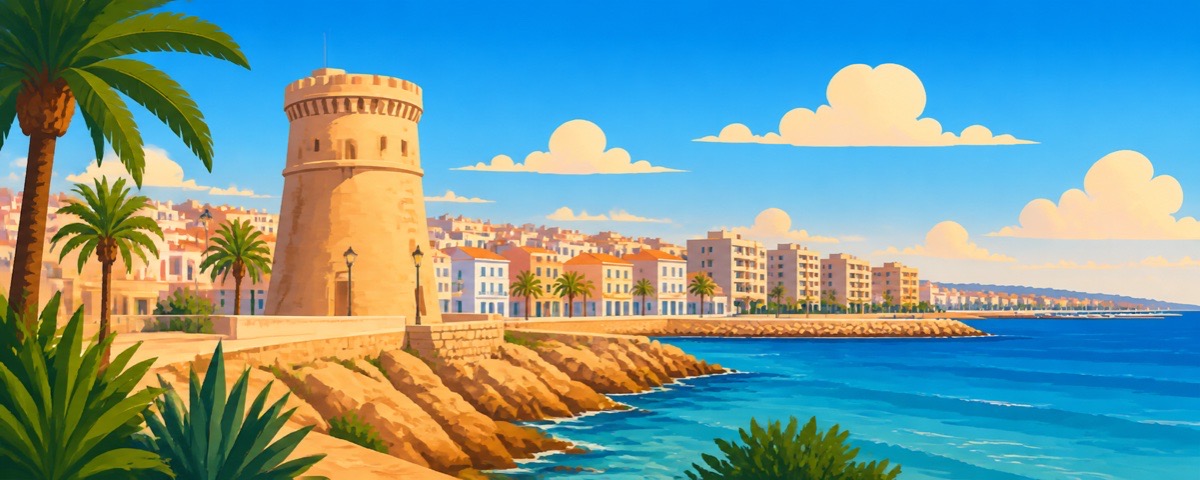
Torrevieja is a coastal city in the south of the province of Alicante, born around the exploitation of its two salt lagoons. The salt pans are still in operation and give one of the two a pink colour visible from afar; the rest of the town has grown very quickly in recent decades, with a largely foreign and resident population.
Le savais-tu ?
The pink lagoon, no filter needed.
The main salt lagoon of Torrevieja owes its characteristic bright pink colour to the presence of microalgae and extremophile bacteria.
Comment on parle à Torrevieja
Castilian dominates much more than in other Valencian cities, partly due to strong internal and international immigration. The maritime lexicon preserves words like «caldero» and «salinero», directly linked to the two main historical activities.
xe
se dit «ché»
Interjection that can express surprise, enthusiasm, joy, or irritation. Used as an autonomous exclamation or to call attention, with a value determined by the tone and the situation.
La vie quotidienne à Torrevieja
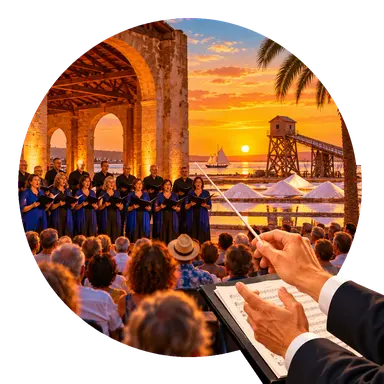
The «habaneras» in summer
In July, a choral singing competition is held, born from sailors returning from Cuba: the habaneras are sung in an auditorium built into the old salt structures. It is the city's festival, and everyone goes.
«El certamen de habaneras es en julio.» — The habaneras competition is in July.
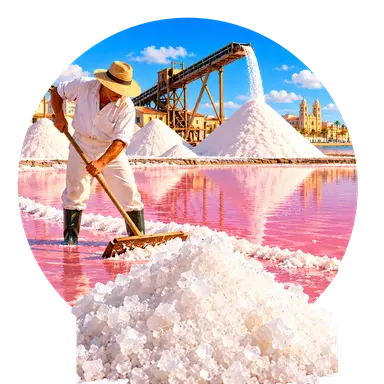
The salt of the «Salina de Torrevieja»
The white mountains of salt next to the lagoon can be seen from the road, and the pink lagoon changes colour with the season. The salt is still extracted, and those who work there have done so for generations.
«La sal sale de la laguna.» — The salt comes from the lagoon.
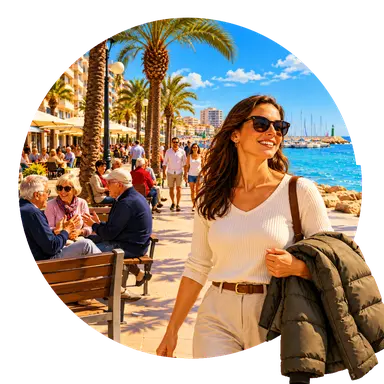
The «paseo» even in January
The climate allows you to walk by the sea even in January, and the promenade is full in every season. A large part of the inhabitants comes from outside Spain, and you can hear five languages on the benches.
«Aquí se pasea todo el año.» — Here you can walk all year round.
Que manger à Torrevieja
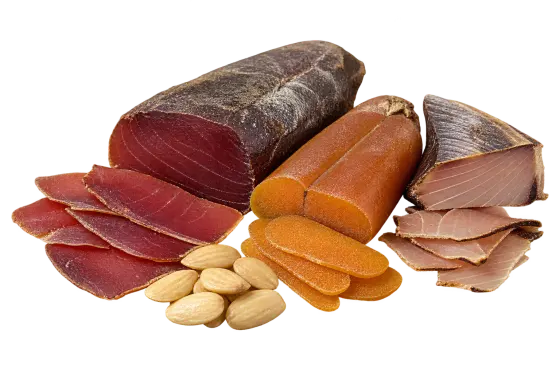
Salazones
Salted and dried fish: tuna «mojama», mullet «hueva», «capellán». It is sliced thinly and dressed with oil.
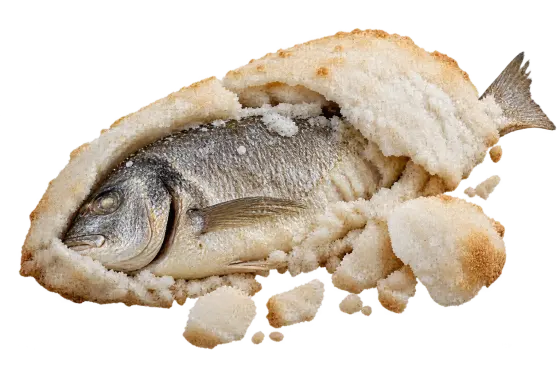
Pescado a la sal
Whole fish cooked under a crust of coarse salt, which is broken at the table in front of you.
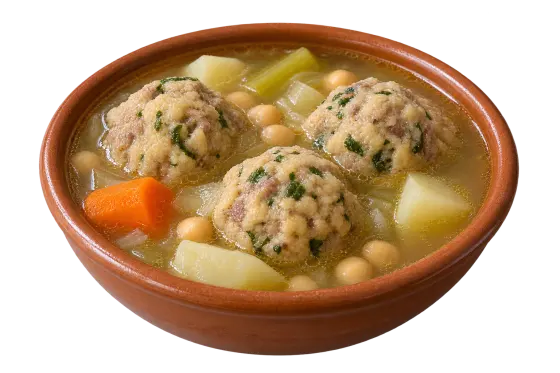
Cocido con pelotas
Boiled meat with large meatballs made of bread, minced meat and parsley, which are cooked inside the broth.
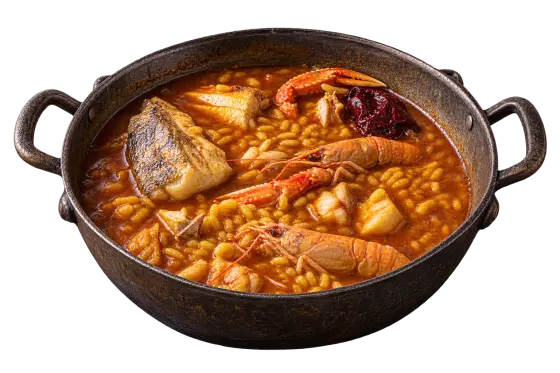
Caldero
Rice cooked in rockfish broth, served with alioli on the side.
Les fêtes à Torrevieja
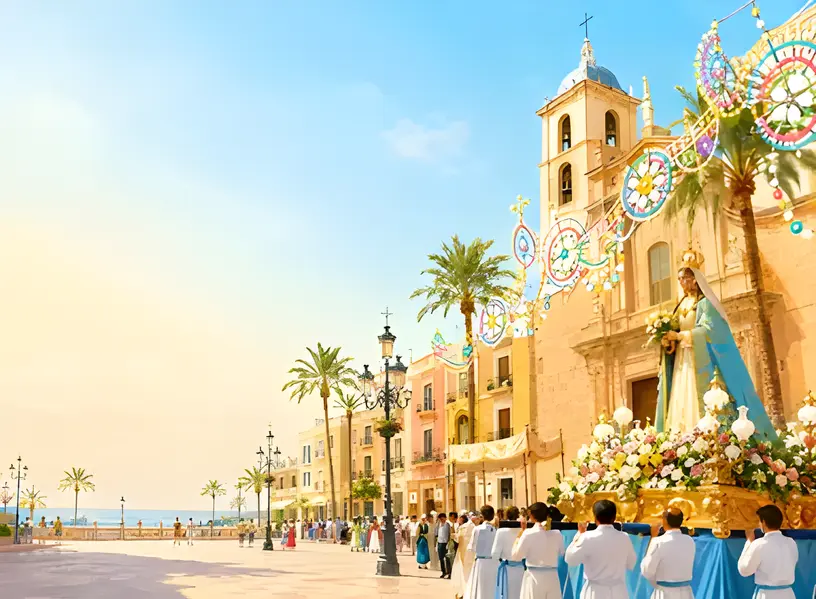
Fiestas Patronales de la Purísima
8 December
The patron saint goes out in procession to the harbour, and for a week the habaneras are also sung out of season.
Que voir à Torrevieja
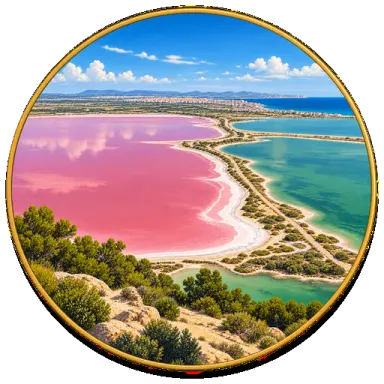
Lagunas de La Mata y Torrevieja
Two salt lagoons two kilometres from each other: one pink, the other green. Salt is still extracted.
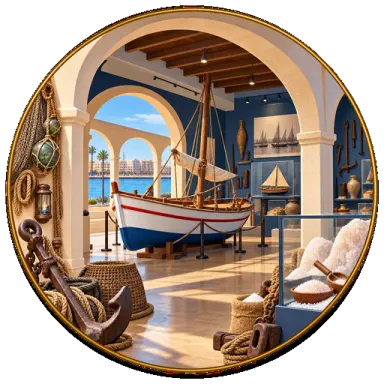
Museo del Mar y de la Sal
The city museum: salt, fishing and boats.
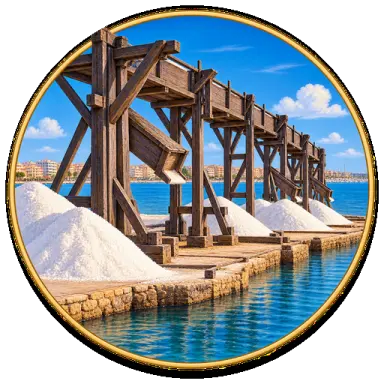
Eras de la Sal
The old wooden structures where salt passed from the lagoon to the ships, on the sea. Today concerts are held there.
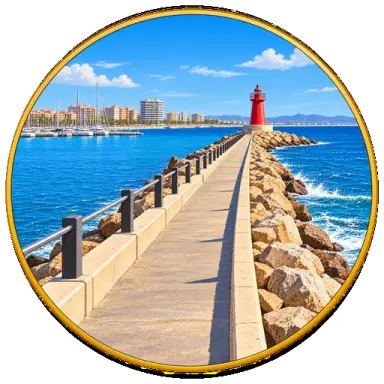
Dique de Levante
The harbour pier, almost a kilometre into the sea, with the red lighthouse at the tip.
D'où vient Torrevieja
Rebuilt after the earthquake
18th century
The tower
A watchtower against pirates gives the place its name: «torre vieja».
1802
The salt mines
The administration of the salt mines moves here from the nearby village: the settlement is born.
1829
The earthquake
An earthquake levels the village: it is rebuilt on a grid pattern, as it is today.
20th century → today
Salt and tourism
Salt continues to come out of the lagoons, and the residential city grows around it.
Tu veux apprendre l'espagnol en voyageant à travers l'Espagne ?
Dans Aula, chaque leçon est une ville qui s'allume sur la carte — Torrevieja en fait partie. Deux cents leçons du niveau A1 au C2, gratuites, en commençant par ton niveau.
Commencer par Torrevieja →